Understand any stock in simple English
Enter a ticker to learn what the company does and how it makes money.
Harmony Gold Mining Company Limited
Harmony Gold is a South African mining company that digs gold and other metals out of the ground and sells them to refineries and markets around the world.
Harmony Gold is one of South Africa's big gold miners. It pulls gold out of the ground, processes it, and sells it — along with smaller amounts of uranium, silver and copper — into markets in South Africa, Papua New Guinea and Australia. If you own a gold ring or a bar of gold, there's a decent chance the metal inside it started life in a Harmony mine.
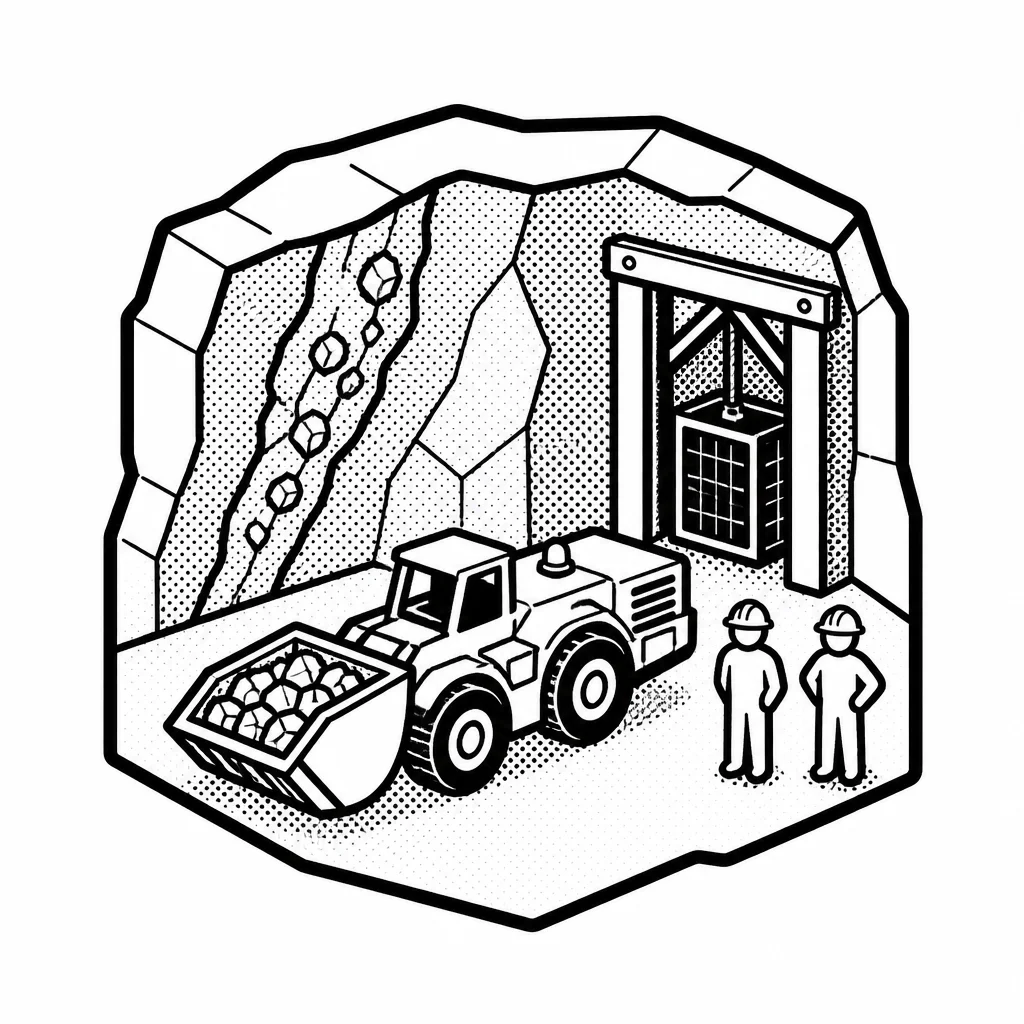
The business is simple on the surface: dig up rock, crush it, pull out the gold, sell the gold. The hard part is that the easy gold is gone. Harmony's South African mines are deep and old, some reaching kilometres underground, which makes every ounce expensive to extract. That's why the company also runs a mine in Papua New Guinea called Hidden Valley, and has built up a presence in Australia, where the ground is friendlier and the costs are lower. It also earns money from uranium as a by-product of its gold processing, and it sells the silver and copper it finds along the way. Gold miners like Harmony are price-takers. They can't set the gold price — the market does that, driven by fear, inflation worries and central banks buying metal. So Harmony's real job is to keep its costs below the gold price and make the gap as wide as possible. When gold prices are high, the company gushes cash; when they fall, deep mines can lose money fast. That's the swing that defines the stock.
Harmony's big bet in recent years has been growing outside South Africa, especially in Papua New Guinea and Australia, to spread its risk and reduce its dependence on ageing South African shafts. It has also spent heavily on keeping those mines running and on paying dividends when the gold price cooperates. The company's fortunes rise and fall with the metal it digs up — a simple business with a very loud price tag attached.
Saved answer · last researched 12 Nov 2026