Understand any stock in simple English
Enter a ticker to learn what the company does and how it makes money.
Hana Microelectronics Public Company Limited
Hana Microelectronics builds and packages the tiny electronic parts and circuit boards that go inside products like cars, phones, and medical devices.
Hana Microelectronics is a behind-the-scenes manufacturer. It takes the fragile silicon chips and raw electronic components that other companies design, then assembles them into working circuit boards and sealed chip packages that can survive real-world use. Most of us never see its work, but it ends up inside cars, medical devices, smartphones, and industrial machines.
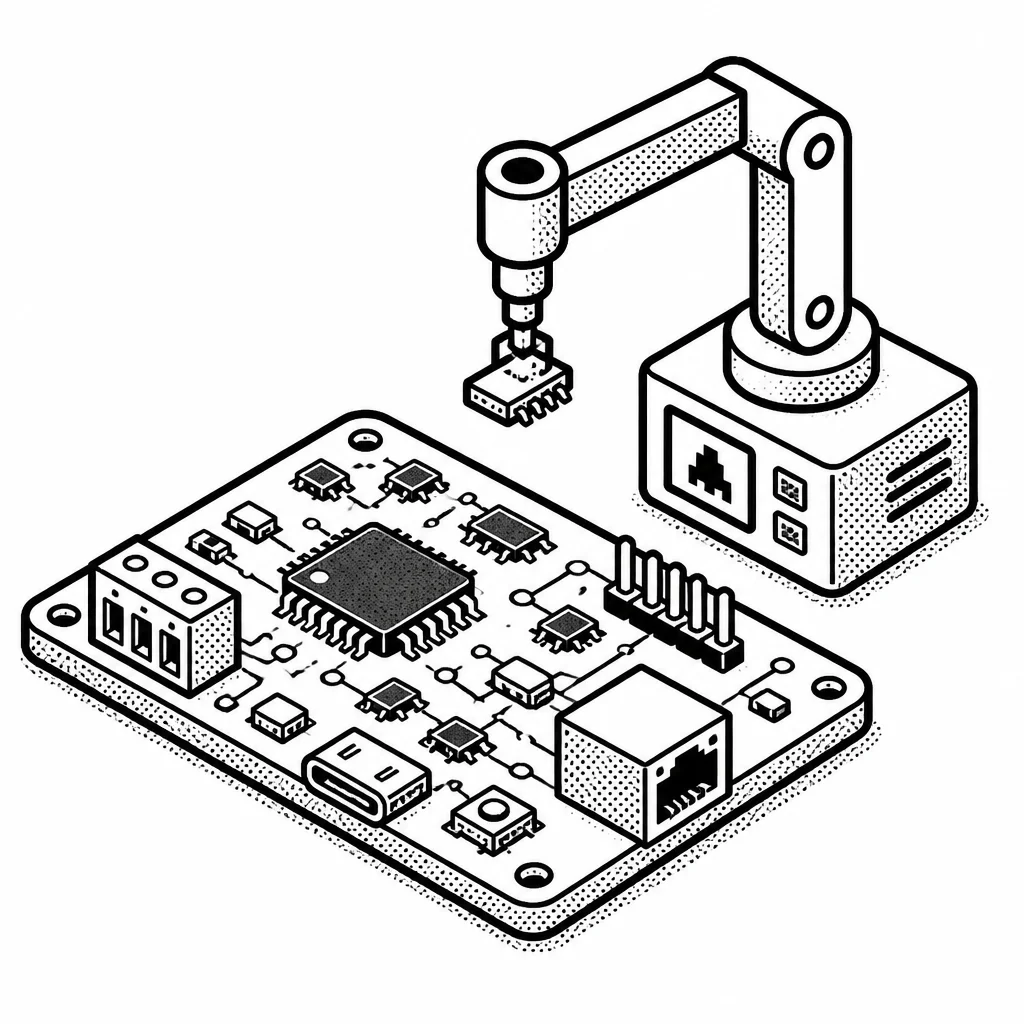
The company runs two related kinds of factories. One division does printed circuit board assembly, or PCBA: robots and workers place components onto bare boards and solder them into a finished electronic assembly. The other division does semiconductor packaging and IC assembly, where bare chips get mounted, wired up, and sealed inside protective cases so they can be handled and plugged into devices. Hana also makes some components of its own, such as printed circuit boards. Customers are the electronics brands and device makers who would rather outsource this fiddly, capital-heavy work than run their own plants. They choose Hana for its engineering know-how, its factories spread across Thailand, China, and Cambodia, and the fact that it handles low-volume, high-mix jobs that giant contract manufacturers often don't want. Like all contract manufacturers, Hana earns thin margins on high volumes, and it is exposed to swings in the electronics cycle and to the risk that rising wages or trade tensions make its factories less competitive. Its largest shareholder, trading house Berli Jucker BJC.BK, has been trimming its stake, and founder and CEO Richard Han has been buying shares, which keeps governance and succession in the spotlight.
Over the years Hana has grown from a small Thai startup into one of the region's bigger electronics manufacturing services players, competing with giants like Taiwan's Foxconn and Jabil as well as smaller Thai peers. The business is cyclical and capital-hungry, but it throws off real cash, which Hana has used to fund new factory capacity and pay steady dividends to shareholders.
Saved answer · last researched 12 Nov 2026