Understand any stock in simple English
Enter a ticker to learn what the company does and how it makes money.
Gulf Development Public Company Limited
Gulf Development builds and operates gas-fired and renewable power plants, and also runs gas distribution, infrastructure, satellite and digital services, mainly in Thailand.
Gulf Development is one of Thailand's biggest private power producers. It builds and runs electricity-generating plants — large gas-fired ones and a growing fleet of renewables like solar and wind — and sells the electricity to Thai utilities and industrial customers under long-term contracts. That contracted, predictable cash flow is the engine of the whole business.
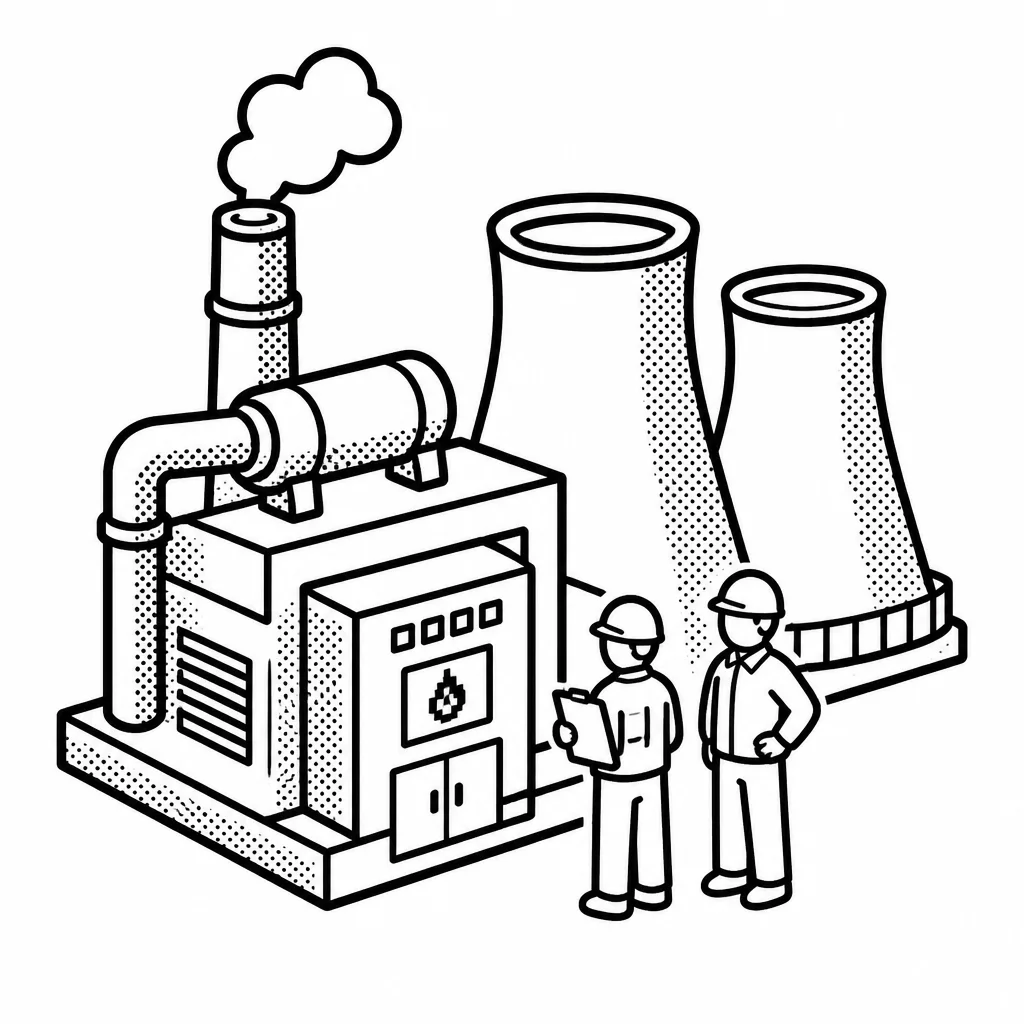
Beyond power, the company has stretched into several other lanes: gas distribution, infrastructure projects, satellite services, and digital businesses. These are smaller and more varied, but they fit a common theme — owning pieces of Thailand's energy and communications plumbing and collecting steady fees from them. The core appeal for customers is reliability. Big electricity buyers don't want surprises; they want guaranteed supply at a known price for years. Gulf signs long contracts, builds the plants, and keeps them running. That makes its revenue far steadier than a company selling into volatile spot markets, though it also means heavy upfront spending on plants before the money comes back.
The business is capital-hungry: building power stations costs a fortune, so Gulf carries significant debt and depends on finishing projects on time and on budget. Its growth now leans toward renewables and new infrastructure, where government energy policy and demand for cleaner power shape the opportunity. In short, it's a bet on Thailand's growing need for electricity — and on Gulf's ability to keep building the plants that supply it.
Saved answer · last researched 12 Nov 2026