Understand any stock in simple English
Enter a ticker to learn what the company does and how it makes money.
Ferroglobe PLC
Ferroglobe makes silicon metal and specialty alloys like ferrosilicon and manganese alloys that industrial customers use to make steel, aluminum, and other products.
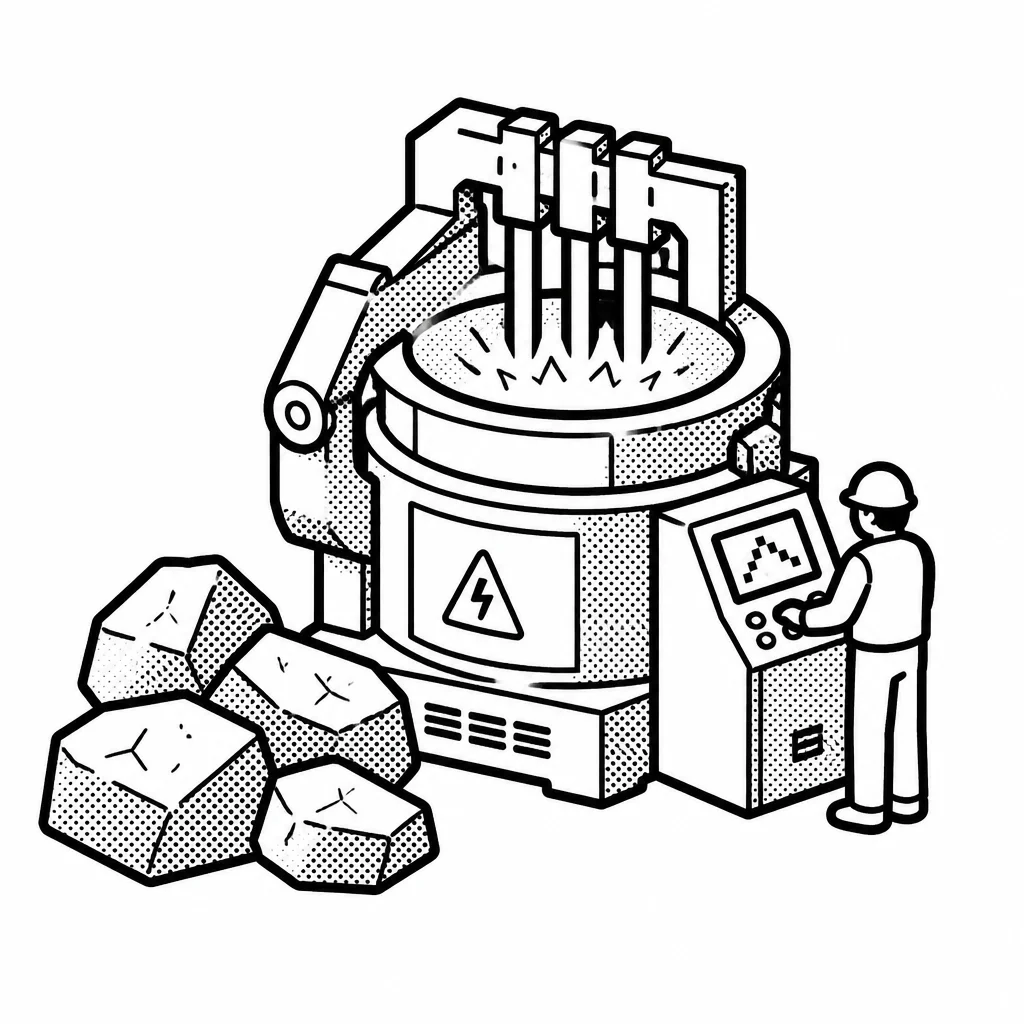
Ferroglobe is a metals company that sits near the bottom of the industrial food chain. It makes silicon metal — a highly purified form of the element silicon — plus ferroalloys like ferrosilicon and manganese alloys. These are ingredients, not finished products. Steel mills and aluminum smelters buy them in bulk and stir them into their molten metal to change how it behaves: making it stronger, cleaner, or easier to pour. Silicon metal also goes into silicones, semiconductors, and solar panels, so the same bag of shiny gray rocks can end up in a car frame or a solar farm.
The business is a real industrial giant that most people have never heard of. Ferroglobe was created in 2015 when Globe Specialty Metals (the old NASDAQ ticker GSM belonged to it) merged with Spain's Grupo FerroAtlántica, and today it's one of the largest Western producers of silicon metal and ferrosilicon. It runs quartz mines and smelters across Europe and North America, which matters because its customers want a supplier close by and not dependent on Chinese imports. Its biggest vulnerability is that it sells a commodity: when prices for silicon and ferroalloys fall, profits can evaporate fast, and cheap exports from China can crush the market. When prices spike, the company makes plenty of money. There's an interesting twist to the story. In 2025 Ferroglobe announced plans to move its primary stock listing to the NASDAQ and redomicile under a new US holding company, part of a push to be seen as an American critical-materials supplier rather than a UK-headquartered one. That framing is deliberate: silicon and ferroalloys are on lists of materials governments worry about, because they feed defense, chips, and clean energy. Being a domestic source of them is a strategic card to play with Washington and with customers who don't want to rely on imports.
Ferroglobe's customers are industrial giants, not consumers. Steelmakers such as Nucor and big aluminum producers buy its alloys by the trainload, and the company competes with other global alloy makers as well as with Chinese producers who often sell cheaper. What ultimately drives the stock is simple: the price of silicon and ferroalloys, how much volume Ferroglobe can sell, and its energy costs, since smelting is extremely power-hungry. The company also pays a small dividend and has used cash to pay down debt and buy back shares, but in a cyclical commodity business, surviving the downturns is the real skill.
Saved answer · last researched 16 Nov 2026