Understand any stock in simple English
Enter a ticker to learn what the company does and how it makes money.
Gruma, S.A.B. de C.V.
Gruma makes corn flour and tortillas and sells them, along with flatbreads, snacks, rice and pasta, to consumers and restaurants around the world.
Gruma is the company behind the tortilla you eat without thinking about it. It turns corn into flour, then turns that flour into tortillas, wraps, and chips, and sells them to supermarkets, restaurants, and food companies in dozens of countries. Most people meet Gruma through its brands on a shelf, but its real engine is industrial: it sells corn flour in bulk to bakeries, tortilla shops, and food makers who need a consistent product every single day.
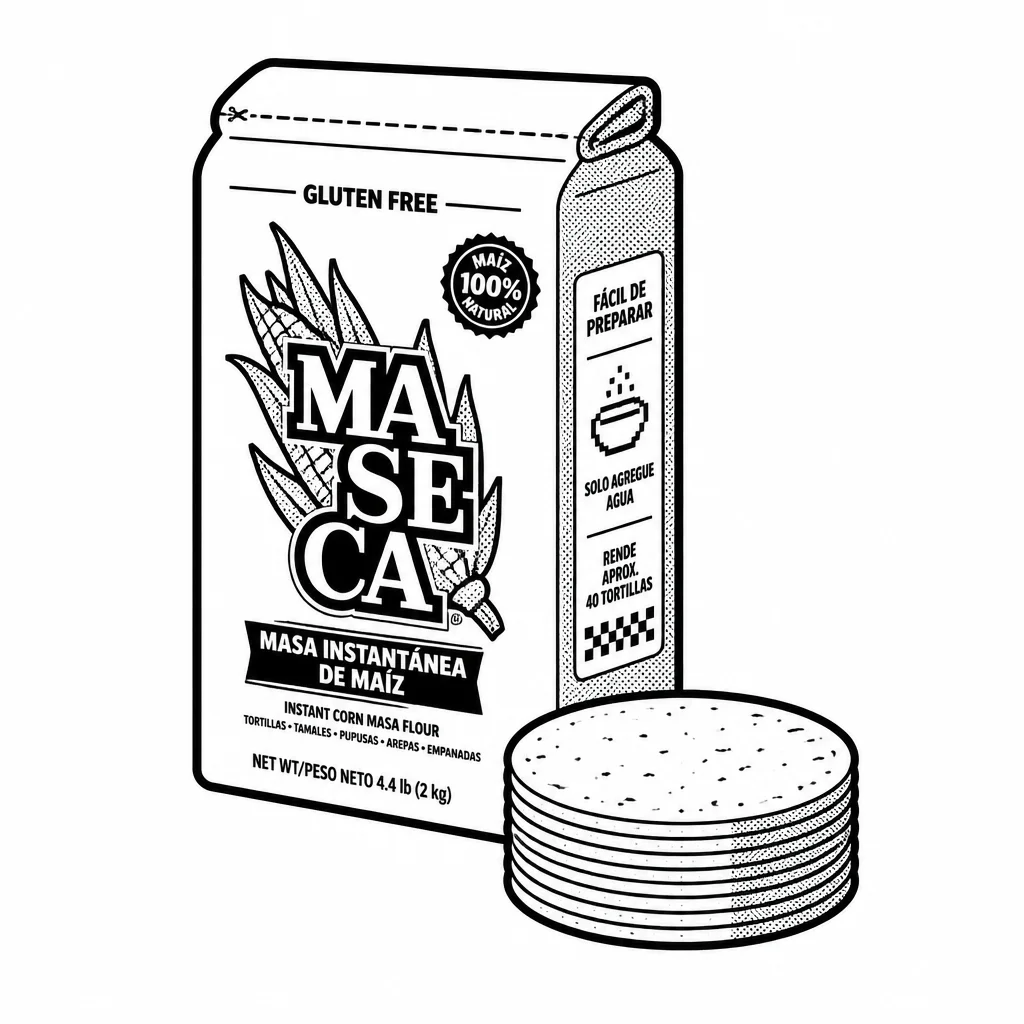
The business runs on a simple idea. Corn tortillas are wonderful and wildly inconvenient, because fresh corn dough spoils fast and behaves differently every batch. Gruma figured out how to dry and stabilize corn flour so that anyone, anywhere, could make reliable tortillas from a bag. That solved a supply problem for millions of small kitchens and turned a local food into a packaged ingredient. Its biggest brand, Maseca, is the flour; Mission and other labels cover the finished tortillas, wraps, and chips sold in stores. Geography matters enormously here. Mexico and the United States are the core markets, where Gruma's tortillas and flour are everyday staples. But the company has spent years building in Europe, Asia, and Australia, largely on the back of flatbreads, which travel well and fit local eating habits better than corn tortillas do. That spread is a bet that wraps and flatbreads are a global growth story, not just a Mexican one.
Gruma is not a scrappy upstart. It is a large, vertically integrated food manufacturer that owns much of its supply chain, from corn sourcing to the mills and plants that make the flour, which gives it cost control and a moat that small competitors struggle to cross. It also carries the ordinary risks of a food company: corn prices, currency swings, thin retail margins, and the constant need to keep shelves stocked. Its main rivals in tortillas and flour tend to be regional players rather than one giant global competitor, which is part of why it has been able to build scale across so many markets.
Saved answer · last researched 12 Nov 2026