Understand any stock in simple English
Enter a ticker to learn what the company does and how it makes money.
Grove Collaborative Holdings, Inc.
Grove Collaborative sells sustainable household, personal care, beauty, and pet products to U.S. consumers, mostly through a subscription service.
Grove Collaborative is a consumer products company that sells eco-friendly everyday items — things like dish soap, laundry detergent, shampoo, and paper goods — mostly through a subscription that delivers a box to your door on a schedule you set. The pitch is simple: mainstream cleaning and personal care products often come in plastic packaging and are full of ingredients people worry about, and Grove offers a "cleaner" alternative in refillable or recycled packaging, often under its own brands.
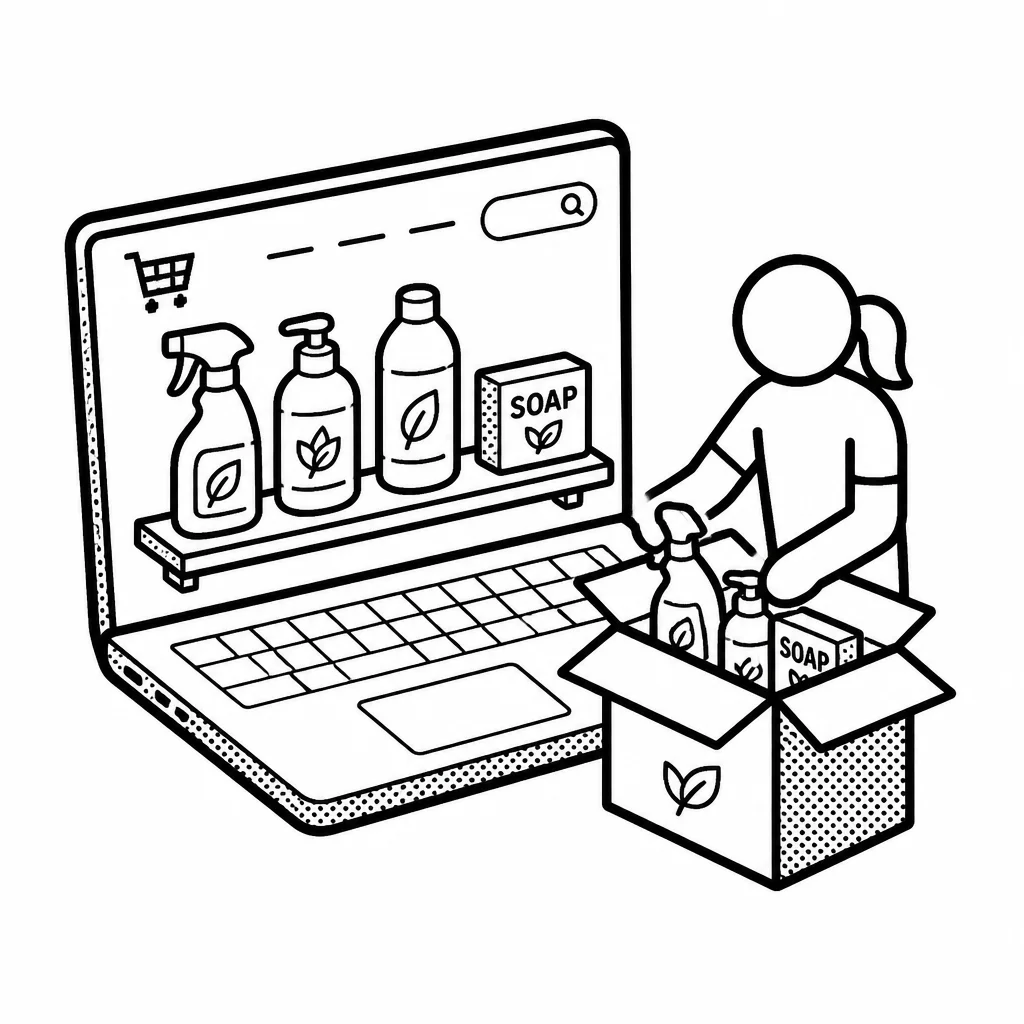
The business runs on two engines. One is its own brands, like the cleaning line Grove Co. and the beauty brand Peach not Plastic, which are made for it and carry better margins. The other is a marketplace side, where it resells other sustainable brands it doesn't own. Customers sign up for a membership, pay a fee, and get deliveries plus perks, and that recurring subscription is the heart of the model — it turns a one-time shopper into a predictable stream of orders. Grove also sells some products through retail partners like Target, which puts its brands on physical shelves. Grove's appeal is to shoppers who care about what's in their products and how they're packaged, and who like the convenience of not running out. Its challenge is that this is a crowded, low-margin category. It competes with giant incumbents like Procter & Gamble and Unilever, plus big retailers' own store brands and online players like Amazon, all of which can undercut it on price. Grove has struggled to turn a profit, and it went public in 2022 by merging with a blank-check company, Virgin Group Acquisition Corp. II, a deal that valued it at roughly a billion dollars but whose shares later fell sharply.
So the story is a small challenger trying to build a trusted green brand and a loyal subscription base in a market where the big guys have scale and shelf space. The bet is that enough people will pay a premium for cleaner products and convenience to make the recurring membership model work. Whether it can grow without burning cash is the question that defines the company right now.
Saved answer · last researched 15 Nov 2026