Understand any stock in simple English
Enter a ticker to learn what the company does and how it makes money.
Grendene S.A.
Grendene makes and sells plastic shoes — flip-flops and sandals under brands like Melissa, Rider, and Ipanema — to shoppers in Brazil and around the world.
Grendene is a Brazilian shoe company that turns humble plastic into fashion. It makes flip-flops and sandals — most famously under the Melissa, Rider, and Ipanema brands — and sells them to everyday shoppers in Brazil and in dozens of countries abroad. If you have ever worn a jelly shoe or a cheap rubber flip-flop, there is a decent chance it came out of one of Grendene's factories.
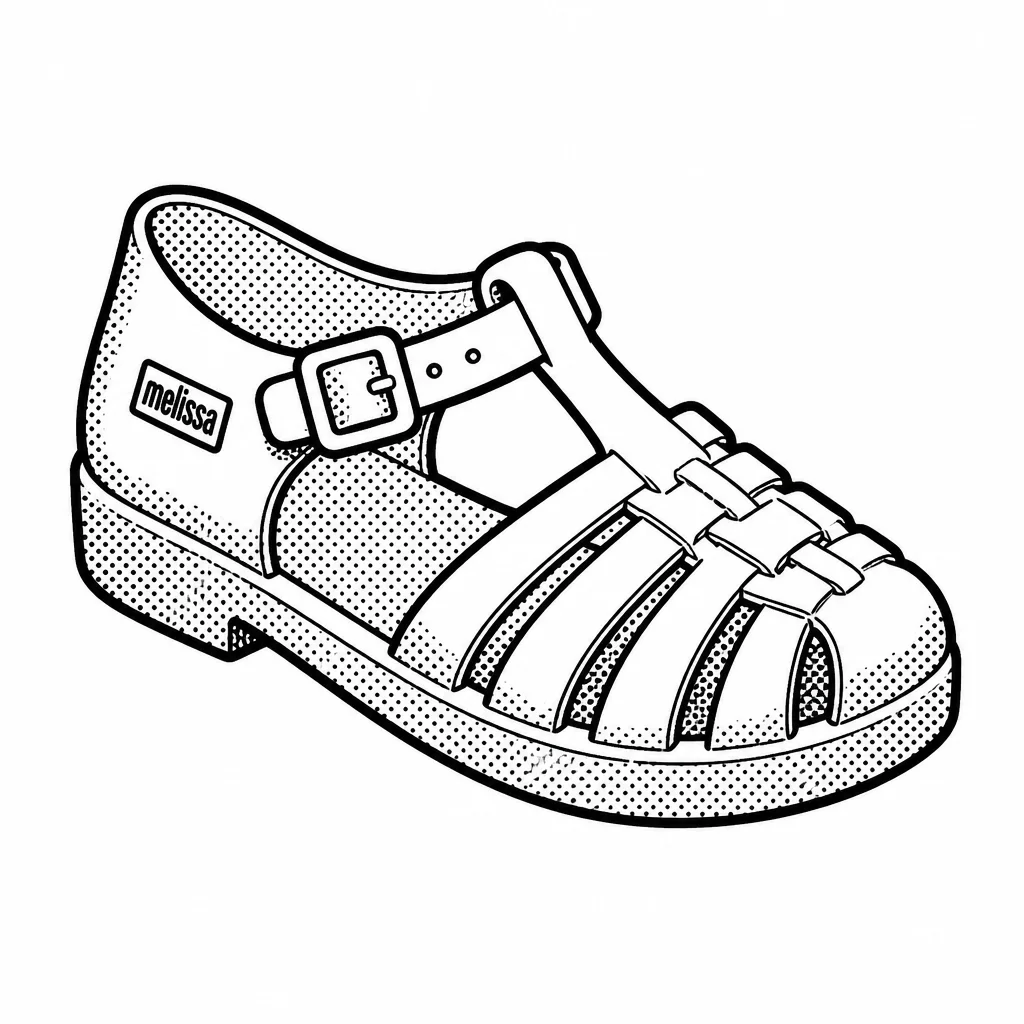
The business is built on a simple idea: make shoes cheaply enough that almost anyone can buy them, then sell enormous numbers of pairs. Melissa is the glamorous one, sold in its own stylish stores and known for collaborations with designers; Rider and Ipanema are the mass-market workhorses you find in supermarkets, shoe shops, and beach kiosks. Grendene runs its own factories and molds its own plastic, which keeps costs low and lets it crank out millions of pairs at a speed rivals struggle to match. Brazilians buy flip-flops the way people elsewhere buy socks — it is a low-price, high-volume habit. The company earns money by selling those shoes through retailers, its own stores, and export partners. Its home market, Brazil, is the big engine, but it also pushes hard abroad, especially into Latin America. Competition is fierce and comes from other footwear makers at home and cheap imports from Asia, and the ride is bumpy: the Brazilian real, the cost of raw plastic, and consumer spending all move the numbers around. Grendene is a solid, cash-generating business, but it is not a fast-growing tech story — it is a volume game with tight margins.
One wrinkle worth knowing is how the company is controlled. Grendene's founding family holds the reins, and for years the firm was known for sitting on a big pile of cash rather than aggressively expanding. It pays out a meaningful chunk of its profits to shareholders through dividends, which is part of why investors treat it as a steady income stock rather than a growth rocket. Few businesses are simpler to explain: it makes plastic shoes, sells a mountain of them, and sends much of the cash back to its owners.
Saved answer · last researched 12 Nov 2026