Understand any stock in simple English
Enter a ticker to learn what the company does and how it makes money.
GRAIL, Inc.
GRAIL sells a blood test that screens for many types of cancer at once, aiming to find the disease early when it is easier to treat.
GRAIL is a healthcare company built around one big idea: finding cancer early with a simple blood draw. Its main product is Galleri, a test that looks for traces of cancer DNA floating in your blood. A doctor orders it, a lab runs it, and the result tells the patient whether a cancer signal was detected and, if so, where in the body it might be. The pitch is that many cancers are found too late, and a cheap, easy screening test could catch them sooner.
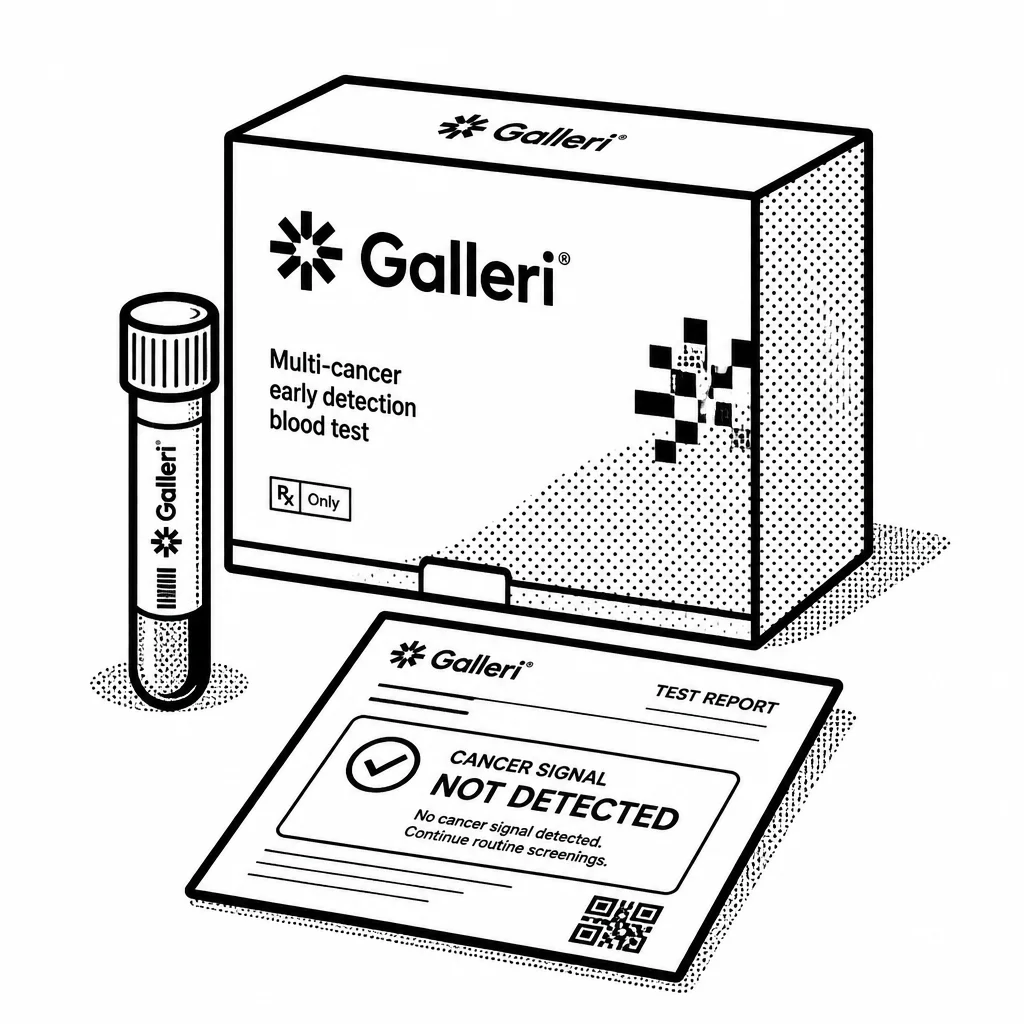
The customer here is really two groups. Patients and their doctors use the test, but the people who pay are often employers, health plans, and insurers who buy it as a workplace or coverage benefit. GRAIL makes money by selling Galleri tests and related diagnostic lab services. The hard part is proving the test actually saves lives and is worth the price, which is why the company spends heavily on large clinical studies to convince payers to cover it. The science is clever but simple to grasp. Tumors shed tiny bits of DNA into the bloodstream, and Galleri reads patterns in that DNA to flag a possible cancer. It does not diagnose a specific cancer on its own; it points doctors toward where to look next. That makes adoption a slow, evidence-driven grind rather than a quick consumer sell, and rivals are racing to build similar multi-cancer tests.
GRAIL was spun out of Illumina, the gene-sequencing giant, which later tried to buy it back and was forced to unwind the deal by regulators. It is now its own public company, and it has burned a lot of cash getting to market. The bet is enormous: if multi-cancer screening becomes standard, the market is huge, but getting there means years of trials, payer negotiations, and convincing a skeptical medical system that the test is worth it.
Saved answer · last researched 16 Nov 2026