Understand any stock in simple English
Enter a ticker to learn what the company does and how it makes money.
Global Power Synergy Public Company Limited
Global Power Synergy builds and runs power plants that supply electricity, steam, and water to Thailand's industrial estates and the national grid.
Global Power Synergy is a Thai power producer. It builds and runs electricity plants, then sells the power — along with steam and treated water — to factories, industrial estates, and the national grid. If you run a big chemical plant or a manufacturing complex, you need reliable power and steam around the clock, and GPSC is one of the companies that provides it.
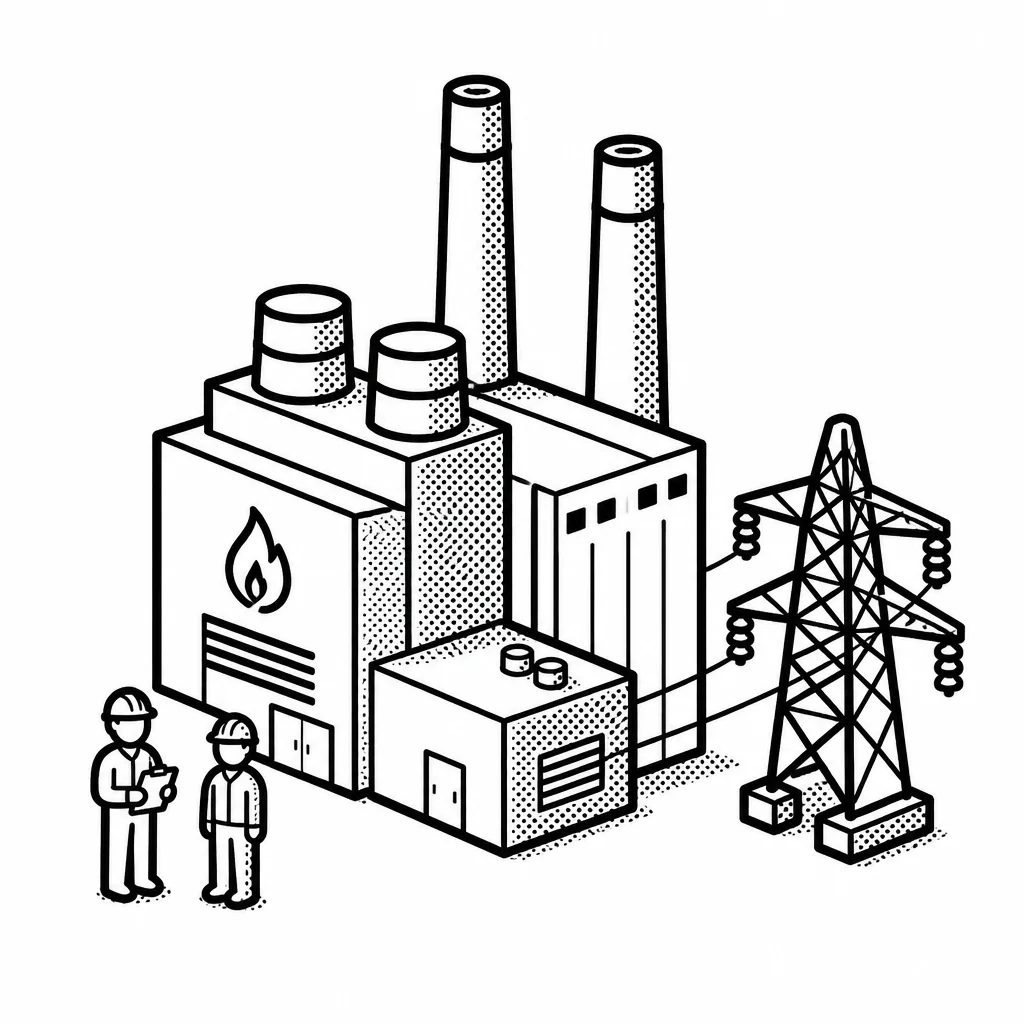
The business has two big parts. The first is selling electricity, mostly through long-term contracts where customers agree to buy a set amount of power for years. That makes revenue steadier than selling power at whatever the daily market price happens to be. The second is selling steam and water to industrial customers, often through small plants built right next to the factories that use them. Steam doesn't travel far before it cools off, so being close to the customer is the whole game. GPSC grew out of PTT, Thailand's state-owned oil and gas giant, and PTT still owns a big stake. That connection gave it access to fuel and to customers inside PTT's industrial estates. Over time it expanded beyond gas-fired plants into renewable energy — solar, wind, and hydro — both in Thailand and abroad. It also bought a stake in a major Thai electricity producer, which made it one of the country's largest private power companies. The tricky part of the business is that power plants are expensive to build and the returns depend heavily on fuel costs and government rules. GPSC's plants mostly burn natural gas, so when gas prices rise, margins get squeezed unless contracts allow it to pass costs along. Thailand's electricity market is also tightly regulated, with the government setting much of the pricing. Growth now depends on adding renewable capacity and expanding overseas, where it can earn better returns than in a mature, regulated home market.
The company pays a dividend and invests heavily in new plants, so its free cash flow swings depending on how many projects are under construction. For a patient investor, the appeal is steady contracted revenue and a front-row seat in Thailand's energy transition. The risk is that transitions are expensive, and the government ultimately decides how much profit a power producer is allowed to keep.
Saved answer · last researched 12 Nov 2026