Understand any stock in simple English
Enter a ticker to learn what the company does and how it makes money.
Gujarat Pipavav Port Limited
It runs a port in Gujarat, India, where ships load and unload containers, bulk goods, and liquid cargo.
Pipavav Port is a port operator: it owns and runs an all-weather port on India's west coast in Gujarat, and it makes money by charging ships and cargo owners for the right to dock, load, unload, and store their goods there. Its docks handle containers (the big steel boxes full of manufactured goods), bulk cargo like coal and fertilizer, break bulk cargo like steel coils, and liquid cargo. It also earns fees from related services such as piloting ships in and out, berthing them, and moving and storing cargo on land.
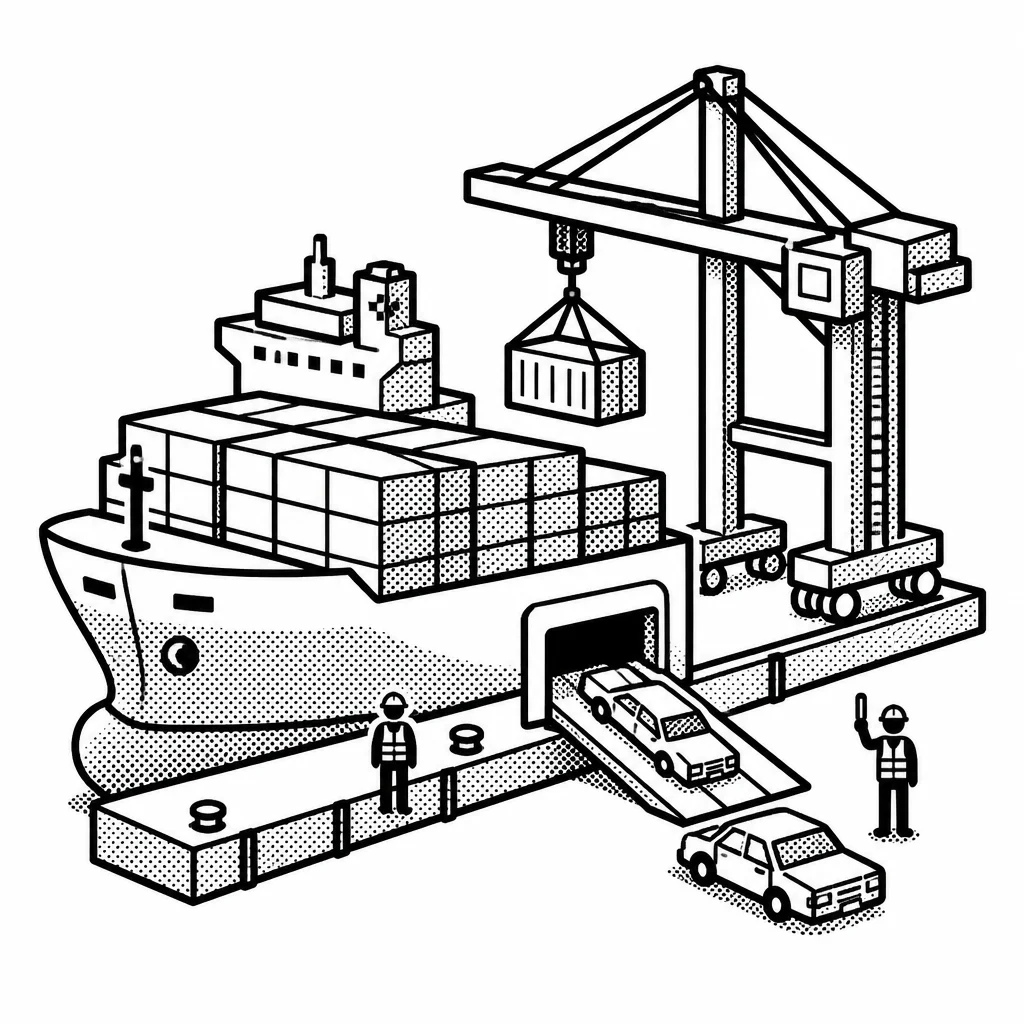
The business is a toll booth for trade. A container ship sailing between Asia and Europe passes India, and Pipavav gives it a place to stop where cranes can lift thousands of boxes on and off quickly. Customers pick a port because it is fast, reliable, and connected — which means good road and rail links to factories and warehouses inland. Pipavav's selling point is that its rail connection reaches the big northern and central Indian markets, so importers and exporters can avoid the crowded docks of Mumbai. The port sits in a special economic zone and serves as a gateway for western India's manufacturing and agricultural exporters. The big risk is that a port is a fixed, expensive asset living on trade volumes. Pipavav is far smaller than India's giant state-run ports and private rivals like Adani Ports, which operates Mundra just up the coast. That means competition for the same ships and the same cargo, and a slowdown in global trade or a shift in shipping routes hits revenue directly. In 2018, CMA CGM — one of the world's largest container lines — bought a controlling stake in the company that owns most of the port, giving the operator a built-in customer. The company reported revenue of roughly 9.7 billion rupees in the year ending March 2024.
Pipavav spends heavily to keep its cranes, berths, and channels in working order, so a big chunk of cash goes back into maintaining the asset rather than into growth. When the port does have spare cash, it pays it out as dividends. For an investor, this is a simple bet: India's trade grows, Pipavav's docks stay busy, and the port collects its fees. The opposite is also simple: trade slows or a bigger port steals the traffic, and the toll booth gets quieter.
Saved answer · last researched 16 Nov 2026