Understand any stock in simple English
Enter a ticker to learn what the company does and how it makes money.
Graphic Packaging Holding Company
Graphic Packaging makes the cardboard boxes, cartons, and paper-based packaging that hold food, drinks, and everyday household products.
Graphic Packaging makes the boxes and cartons that end up in your kitchen, your bathroom, and the grocery aisle. If you've ever pulled a twelve-pack of soda out of a cardboard carrier, poured cereal from a bag inside a printed box, or grabbed a takeout container from a restaurant, there's a good chance Graphic Packaging made part of that package. The company turns renewable and recycled paperboard into consumer packaging for food, beverage, foodservice, household, and health and beauty products.
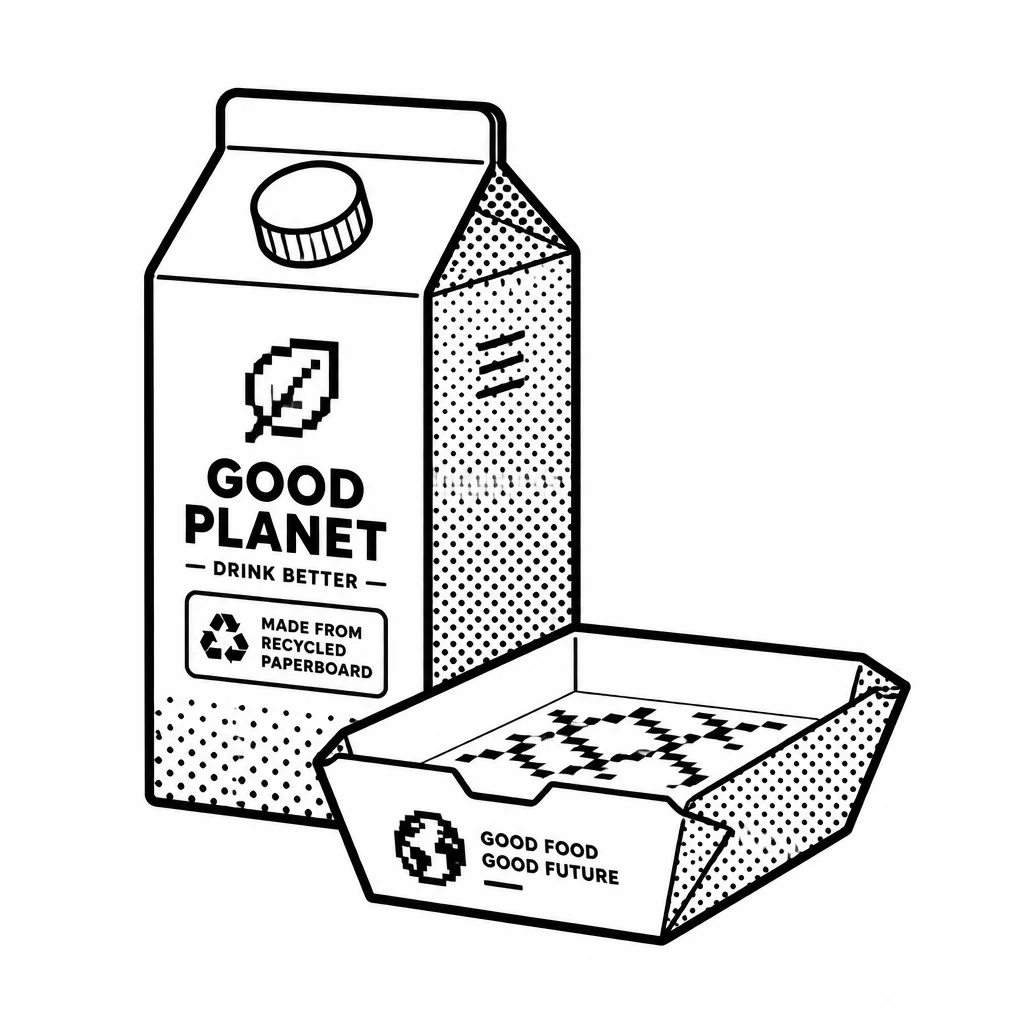
The business is essentially a large-scale converter of paper. Graphic Packaging buys paperboard — much of it made from recycled fiber at its own mills — and runs it through printing, cutting, and folding machines to produce cartons, folding boxes, cups, lids, and foodservice containers. Its customers are the big consumer brands and food companies that need millions of identical packages, printed with their logos and built to survive shipping and store shelves. Those customers don't buy packaging for fun; they buy it because their products need to be protected, branded, and moved efficiently, and they want a supplier who can deliver at huge volume with consistent quality. What makes the company interesting is the shift toward sustainability. Major consumer brands are under pressure from customers and regulators to cut plastic and use recyclable materials, and paper-based packaging is one of the main beneficiaries. Graphic Packaging has leaned into this, investing in recycled-paperboard mills and pushing products that replace plastic with fiber. The company also made a big move into foodservice packaging — the cups, bowls, and containers used by restaurants and cafeterias — through acquisitions that broadened its customer base beyond the grocery aisle. The risks are real. Paper and energy prices swing, and Graphic Packaging has limited power to pass those costs along quickly. Its biggest customers are large, concentrated, and tough negotiators. And the business is capital-hungry: mills and machines are expensive, so the company spends heavily just to keep running and growing. Management has used its cash to pay a dividend, buy back shares, and pay down debt, while continuing to invest in the mill network that underpins its cost position.
The simple way to see Graphic Packaging is as a toll booth on the paper economy. It doesn't own the brands and it doesn't run the stores, but nearly every consumer product needs a package, and Graphic Packaging is one of the largest players turning trees and recycled paper into the boxes that carry them.
Saved answer · last researched 15 Nov 2026