Understand any stock in simple English
Enter a ticker to learn what the company does and how it makes money.
Godrej Consumer Products Limited
Godrej Consumer Products sells everyday personal care and home care products — soaps, hair colors, insecticides, and air fresheners — to households in India and around the world.
Godrej Consumer Products is the company behind the stuff you grab without thinking much: the soap in your bathroom, the hair dye someone uses to cover grey, the mosquito repellent plugged into the wall, and the air freshener that makes a room smell clean. It sells these everyday products to ordinary households, mostly in India, but also across Asia, Africa, and Latin America. The pitch is simple: cheap, reliable brands people buy week after week.
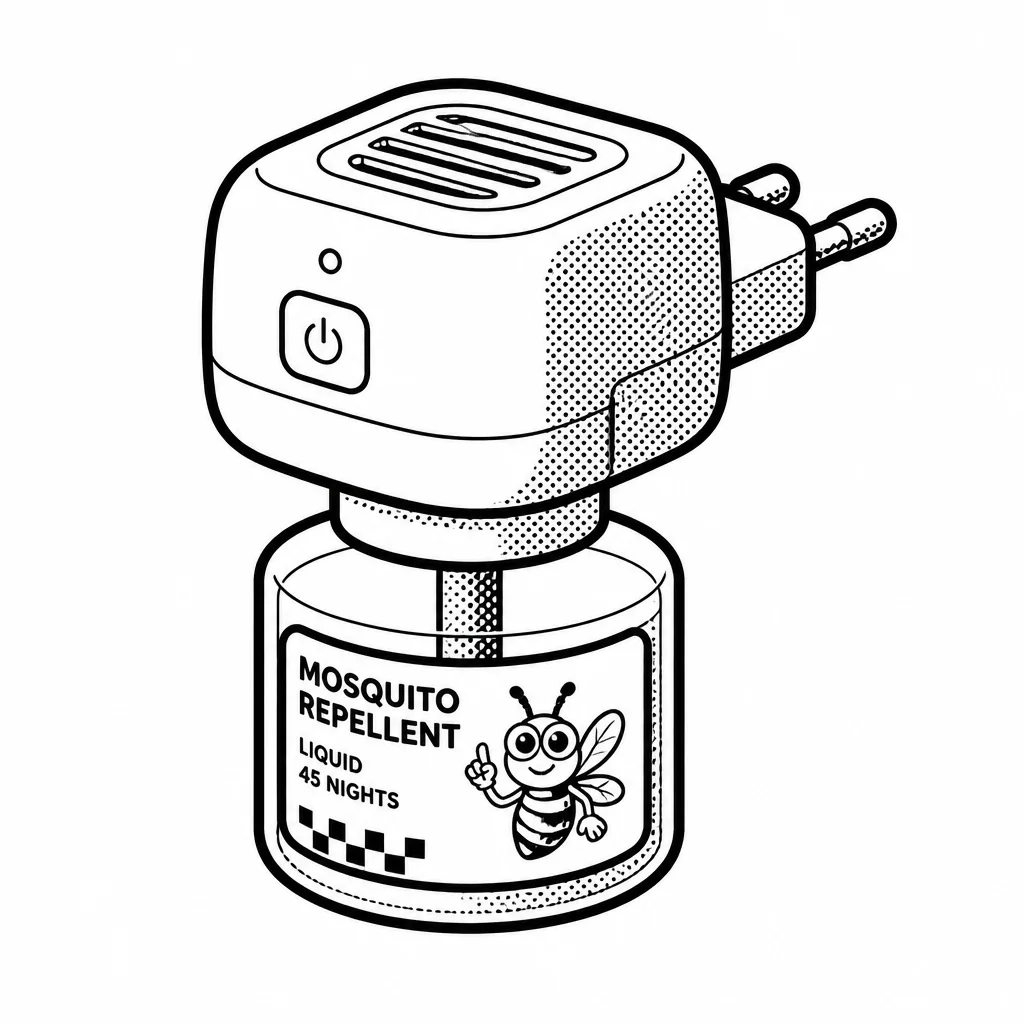
Its biggest names show how deep it runs into Indian daily life. Cinthol soap and Godrej No. 1 soap sit in millions of bathrooms. Good Knight rules the mosquito-repellent space with liquid vaporizers and coils. Godrej Expert hair color and HIT insecticide round out the shelf. The company sells mostly through shops and distributors rather than fancy stores — small neighborhood retailers reach far more homes than any modern chain, especially in towns and villages. What makes the business attractive is repeat buying. People buy soap, dye their hair, and fight mosquitoes again and again, so demand is steady. But competition is fierce. In India, Hindustan Unilever is a constant rival in soaps and personal care, and local players undercut on price. Profitability depends on cheap raw materials like soap oils, good distribution, and getting customers to pay a little more for trusted brands. The company also pursues growth through acquisitions, expanding its reach into Africa and other international markets where it sells similar household products.
Godrej Consumer Products is controlled by the Godrej family, one of India's oldest business dynasties. The company has a habit of acquiring regional brands and scaling them — a strategy that compounds both its footprint and its complexity, since managing dozens of country-specific brands is harder than running one big flag. Like most consumer staples firms, it generates steady cash and tends to pay a chunk of it back to shareholders as dividends rather than hoarding it.
Saved answer · last researched 15 Nov 2026