Understand any stock in simple English
Galaxy Digital Inc.
Galaxy Digital provides trading, asset management, and infrastructure services for institutions that want exposure to crypto and blockchain technology.
Galaxy Digital is a financial services firm built for the crypto world. It helps big investors — hedge funds, asset managers, corporations — buy, sell, and hold digital assets like Bitcoin and Ethereum without having to build all the plumbing themselves. Think of it as a full-service bank for an industry that mostly doesn't have banks.
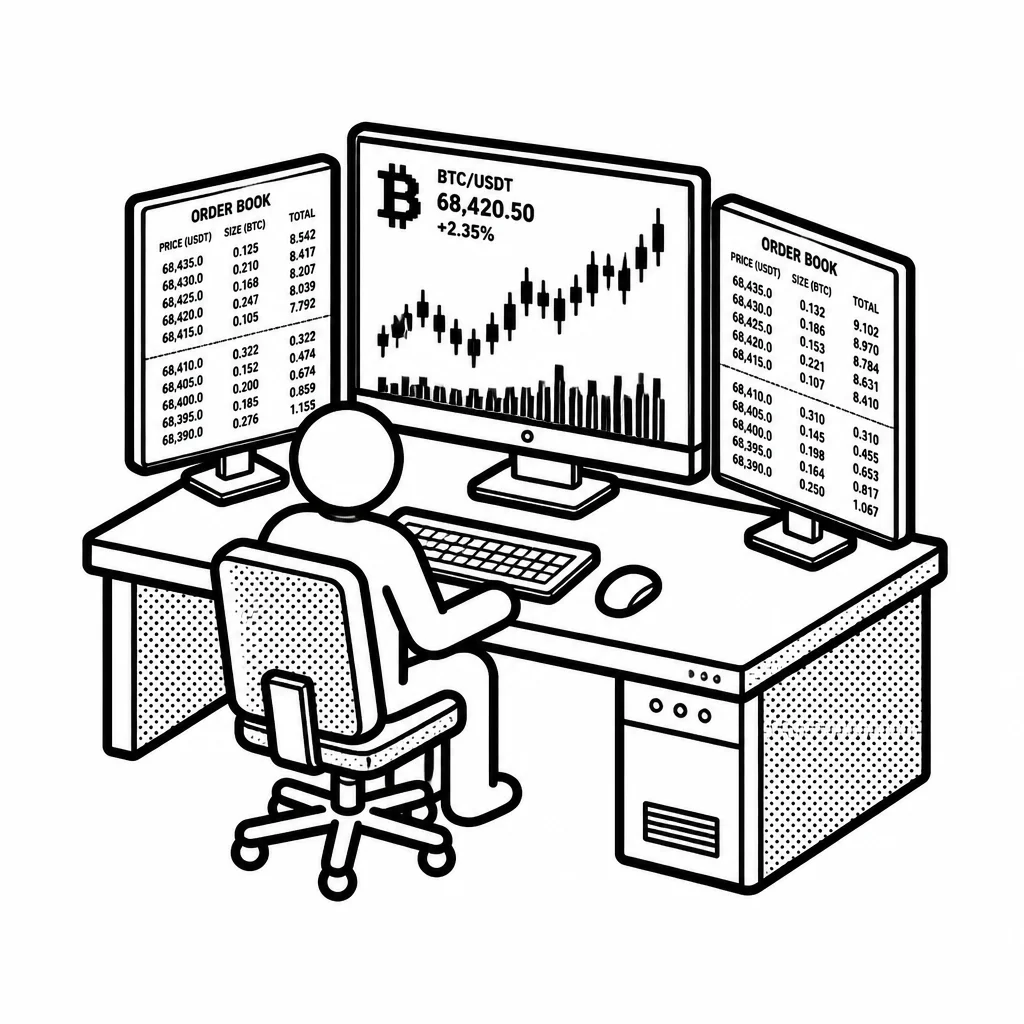
The company runs several businesses under one roof. Its trading desk makes markets in crypto, meaning it stands ready to buy or sell coins so institutions can move large amounts without crashing the price. Its asset management arm runs funds and separately managed accounts for investors who want crypto exposure. And it has a growing infrastructure side: it owns and operates data centers that mine Bitcoin and rent out computing power, which gives it a physical, cash-generating business alongside the trading and advisory work. It also provides research and investment banking services to crypto companies. What ties these pieces together is the bet that institutions will eventually treat digital assets like any other asset class, and that they'll need a trusted, regulated counterparty to do it. Galaxy went public in the US in 2025 after years of trading in Canada, a move aimed at putting it in front of American institutional investors. Founder Mike Novogratz, a former hedge fund manager at Fortress, started the firm in 2018 after the crypto crash of that era, betting that the next wave would be institutional rather than retail. That bet has been volatile: crypto prices swing hard, and Galaxy's earnings swing with them. The company has also been a prolific acquirer, buying up mining and infrastructure assets to diversify beyond trading revenue.
The core risk is straightforward. When crypto prices fall, trading volumes dry up and Galaxy's revenue falls with them. The data center and mining business helps cushion that, since it earns money from computing power regardless of where the coin price goes, but it's still tied to the same cycle. Galaxy's pitch is that it's the regulated, full-stack alternative to scattered crypto venues — a place where a pension fund or a corporation can trade, custody, and research digital assets through one counterparty. Whether that pitch pays off depends on whether the institutional money actually shows up.
Saved answer · last researched 17 Nov 2026