Understand any stock in simple English
Enter a ticker to learn what the company does and how it makes money.
VanEck India Growth Leaders ETF
It is an exchange-traded fund that lets investors buy a basket of Indian growth companies in one simple trade.
VanEck India Growth Leaders ETF is a basket of Indian companies you can buy like a single stock. It trades on NYSE Arca, and its whole job is to give ordinary investors an easy way to own a slice of India's fastest-growing businesses without opening a brokerage account in Mumbai or picking individual stocks themselves.
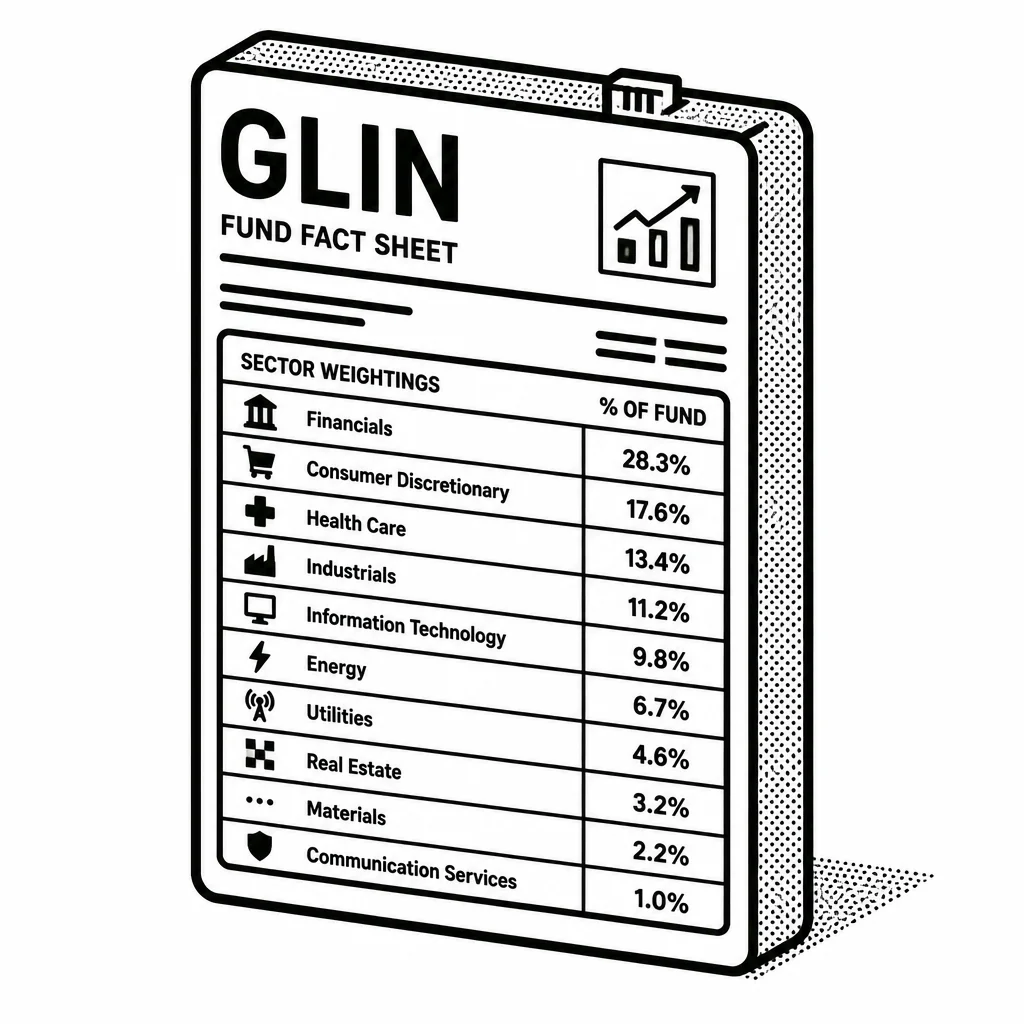
The fund doesn't just buy the biggest Indian companies. It follows an index built around a simple idea: find Indian firms that are fundamentally sound and growing, then weight them in a way meant to capture that growth. The holdings are Indian companies across sectors — the kind of businesses riding the country's expanding economy — and an investor who buys a share gets all of them bundled together, rebalanced according to the index rules rather than a manager's gut calls. The appeal is convenience and access. India is one of the world's big growth stories, but its stock market can be hard for outsiders to navigate, with foreign ownership rules, currency questions, and a huge number of companies to sort through. This fund does the sorting for you. What you're really buying is exposure to India's growth, and what you're accepting is the risk that comes with it: a single-country fund rises and falls with that country's markets, politics, and currency, so it can swing harder than a broad global fund.
VanEck is the issuer — an American asset manager known for specialized, often thematic funds — and it earns money by charging a small annual fee on the money investors keep in the fund, rather than by selling anything to the companies it holds. That fee is the main cost of owning it, and it quietly nibbles at returns year after year. For investors who want a simple, low-effort way to bet on India's growth companies, that's the trade: convenience and diversification in exchange for a fee and the concentrated risk of one fast-moving country.
Saved answer · last researched 15 Nov 2026