Understand any stock in simple English
Enter a ticker to learn what the company does and how it makes money.
GreenFirst Forest Products Inc.
GreenFirst Forest Products makes and sells lumber, wood chips, and other wood by-products from trees cut in Canadian forests.
GreenFirst Forest Products is a Canadian sawmill company. It turns trees into the basic building blocks of construction: spruce-pine-fir lumber, the sturdy wood framing that holds up houses, plus wood chips and other leftovers that get sold to paper mills and industrial buyers.
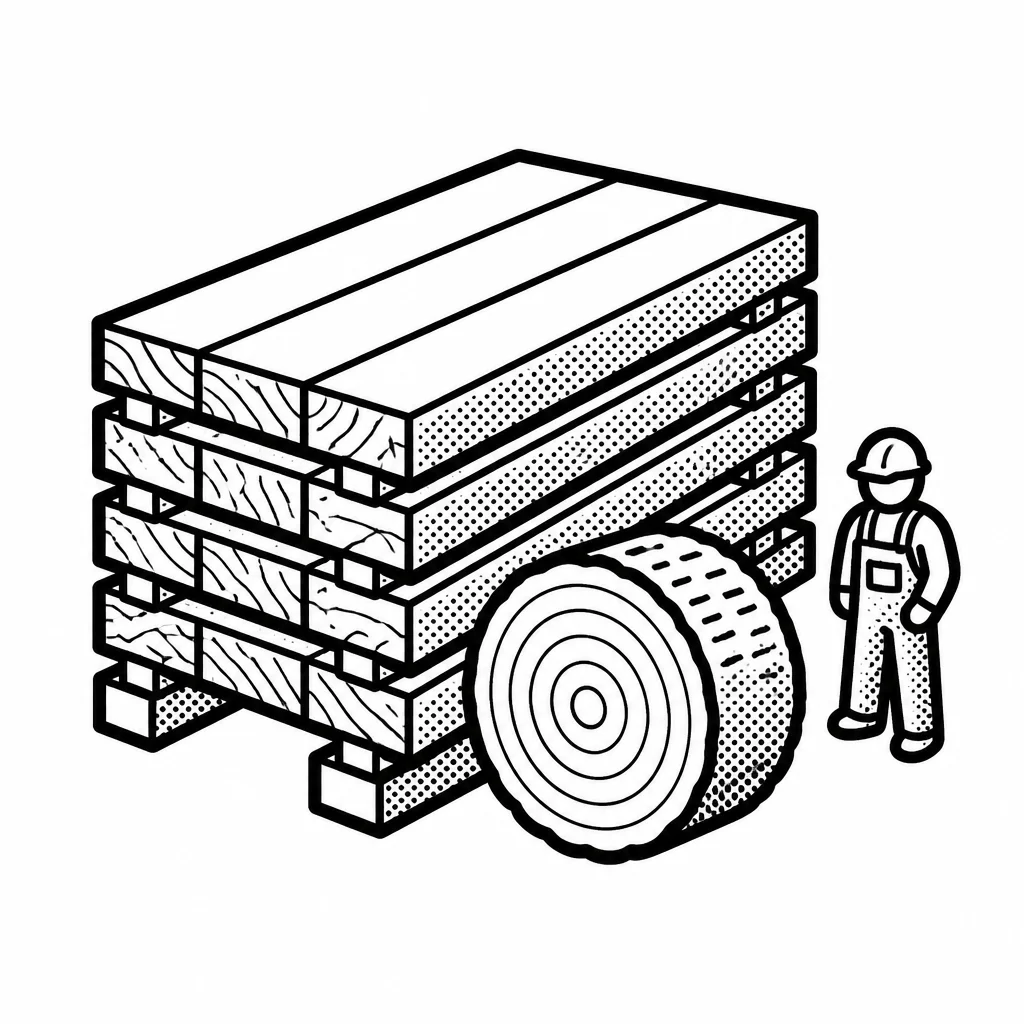
The business is simple to describe but hard to run. GreenFirst owns and operates sawmills, mostly in Ontario and Quebec, and it sells its lumber to retailers, distributors, and industrial customers. Its customers choose it because they need a steady supply of wood in standard sizes, and GreenFirst sits close to the forests that produce it. The company's fortunes swing with lumber prices, which are notoriously jumpy, and with the cost of logs and the health of homebuilding demand, especially in the United States. The company has a strange history for a lumber producer. It used to be called Itasca Capital, a small investment holding company, before it pivoted into forestry and renamed itself GreenFirst. That makes it a useful reminder that a stock ticker can hide a total transformation: the same shell, a completely different business underneath.
GreenFirst is small and thinly traded, and its recent years have been financially rough, with losses tied to weak lumber markets and the costs of running its mills. It sold some of its Ontario sawmills and forest licenses to Millar Western-linked buyers as part of a restructuring, and it has leaned on its lenders and on cost cuts to stay afloat. For investors, the takeaway is blunt: this is a leveraged bet on lumber prices and on management's ability to turn around a collection of mills, not a sleepy dividend payer.
Saved answer · last researched 15 Nov 2026