Understand any stock in simple English
Enter a ticker to learn what the company does and how it makes money.
Greif, Inc.
Greif makes the industrial packaging that factories and farms use to ship chemicals, food, and other goods safely around the world.
Greif makes the containers that keep the world's messy, heavy, and sometimes dangerous stuff moving. If a factory needs to ship a thousand liters of industrial solvent, or a farmer needs to move bulk ingredients, Greif is one of the companies that builds the drum, the pail, or the giant shipping container to do it. Its biggest business is industrial packaging: steel drums, fibre drums, plastic drums, and the giant intermediate bulk containers that look like cages wrapped in plastic. It also makes reconditioned containers, which is essentially cleaning and reusing old drums instead of making new ones.
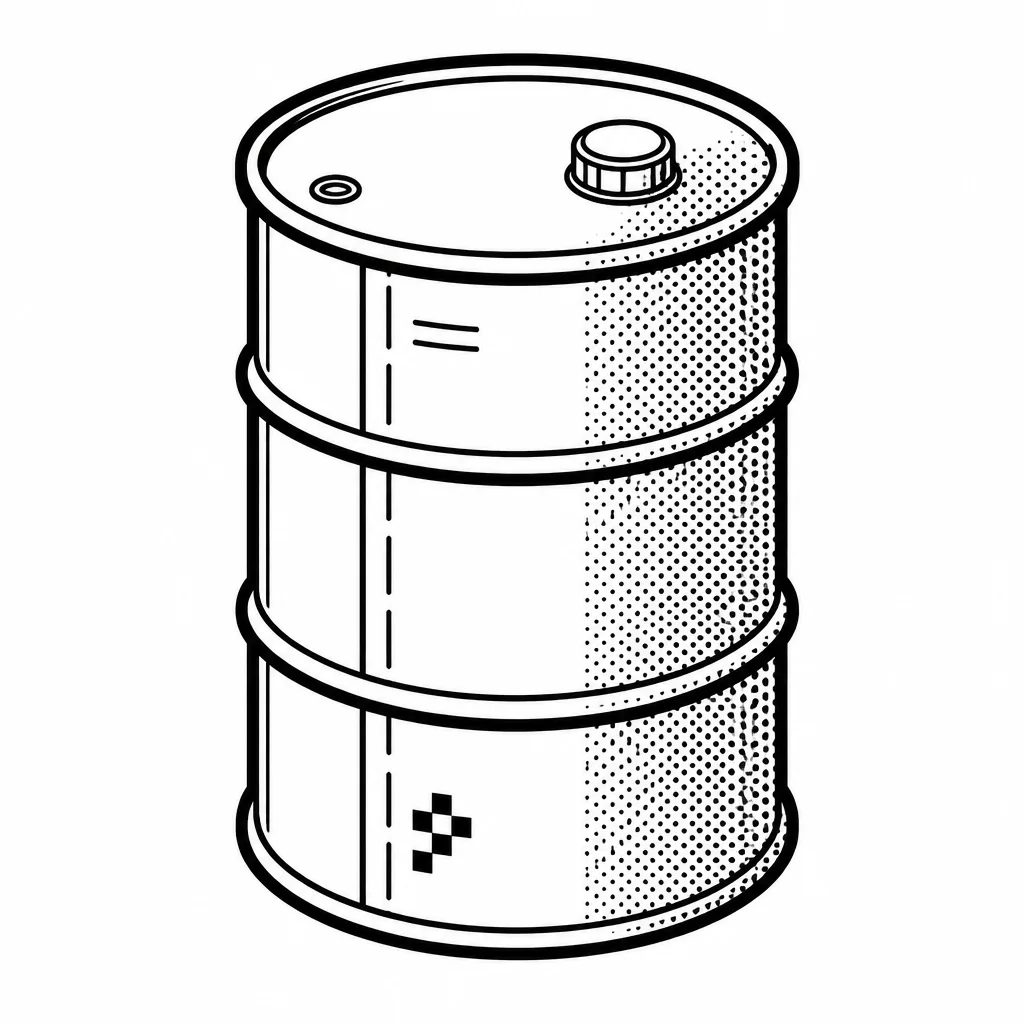
The customers are mostly businesses, not people. Chemical makers are the heart of it, because chemicals are often corrosive, flammable, or just tricky to move, so the container has to be genuinely good. Food and agriculture companies buy Greif's packaging too, along with paint, lubricant, and pharmaceutical makers. Greif also runs a smaller paper packaging business that makes corrugated boxes and containerboard, which is the heavy paper that gets turned into boxes. That segment gives Greif a steadier, less cyclical stream of revenue alongside its drum business. What makes the business stick is that packaging is a small cost relative to what goes inside it, so customers care far more about not spilling a tanker of chemicals than about saving a few cents on a drum. Switching suppliers means re-testing containers to make sure they meet safety rules, which is a hassle nobody wants. So Greif tends to keep customers for a long time, and it has built a global network of plants close to where its customers operate, because shipping empty steel drums across an ocean is expensive and pointless.
Greif also grows by buying rivals, which is how it ended up with such a wide footprint, and it returns a good chunk of its cash to shareholders through dividends and buybacks. The catch is that it is a genuinely cyclical business. When chemical production slows, demand for new drums slows with it, and the company has to lean on cost cuts and its reconditioning and paper operations to ride out the dip. It is a boring, unglamorous, essential business, and that is precisely the point: the world cannot ship chemicals or food without something to put them in.
Saved answer · last researched 14 Nov 2026