Understand any stock in simple English
GCP Infrastructure Investments Limited
GCP Infrastructure Investments is a UK fund that lends money to infrastructure projects, mostly backed by the public sector, and pays the interest it earns out to shareholders as dividends.
GCP Infrastructure Investments is a listed investment fund that does one main thing: it lends money to the people who build and run Britain's public infrastructure, then hands most of the interest it collects to its shareholders as regular cash dividends. Think of it as a landlord for money rather than buildings — it doesn't dig tunnels or run hospitals, it just provides the financing and collects a steady stream of payments.
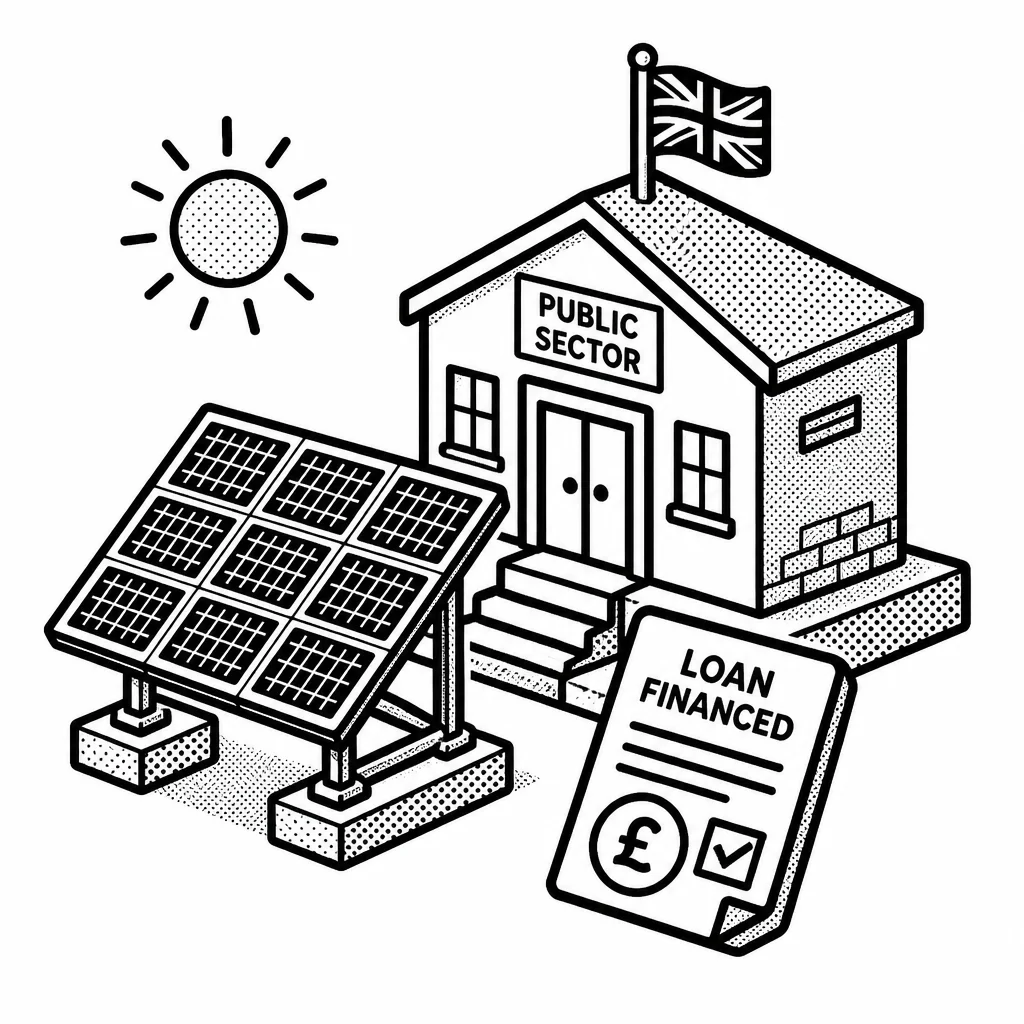
The fund focuses on what the industry calls "infrastructure debt." When a project like a hospital, a school, a toll road, or a renewable energy plant gets built, someone has to put up the money, and that money usually comes as loans that get repaid over many years out of the project's ongoing income. Because a lot of these projects are backed by the government or by long-term contracts with reliable payers, the loans tend to be relatively safe and predictable. That predictability is exactly what GCP wants, because it needs steady cash coming in to keep paying its own investors. Who pays GCP? The project companies and their sponsors pay interest on the loans the fund provides, and the fund pockets the difference between what it earns and its own running costs. Investors buy shares for the income — the fund has historically targeted a regular dividend and aims to grow it, which makes it popular with retirees and income-focused savers. The trade-off is that infrastructure lending is a slow, unglamorous business, and the value of the shares can swing with interest rates and with any worries about the credit quality of the projects it has lent to.
The fund, managed by Gravis Capital Management, is a real investment trust listed in London, and its fortunes ride on a simple question: will the projects it lends to keep paying on time? When confidence in that answer is high, the shares trade at a premium and the dividends flow; when doubts creep in — about a borrower, or about rates — the shares can trade at a discount and the income looks shakier. It is a quiet, yield-driven business, and its whole appeal rests on that steady flow of interest turning into cash in shareholders' pockets.
Saved answer · last researched 17 Nov 2026