Understand any stock in simple English
Enter a ticker to learn what the company does and how it makes money.
Liberty Media Corporation (Liberty Formula One Series A)
Liberty Media owns and runs Formula 1, the global motor racing series, and a portfolio of other media, sports, and entertainment businesses.
Liberty Media is, at its heart, the owner of Formula 1 — the global motor racing circus that draws hundreds of millions of viewers to watch fast cars go in circles for a couple of hours on a Sunday. It also holds a collection of other sports and entertainment assets, but the crown jewel is unmistakably the racing series. The company is headquartered in Englewood, Colorado, though its most famous property barely spends any time there; F1 races happen all over the world, from Monaco to Singapore to Las Vegas.
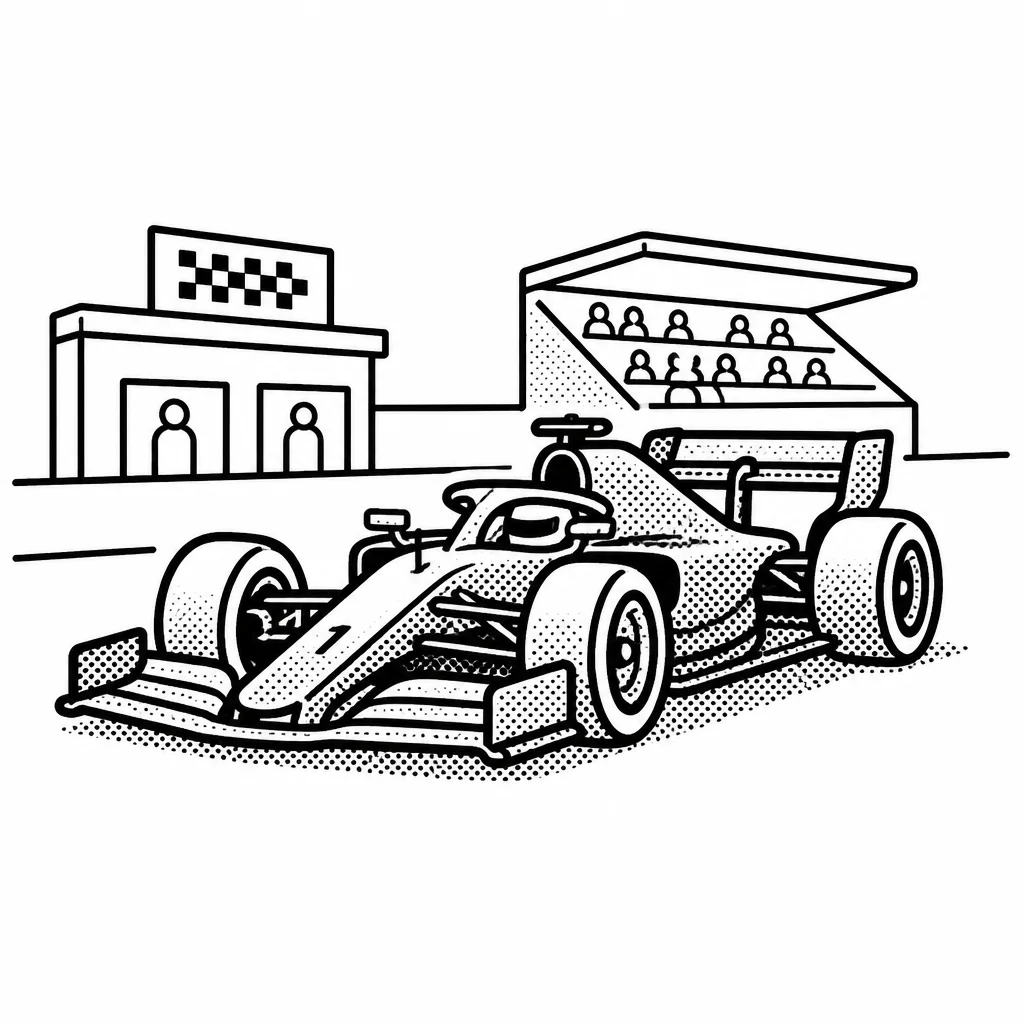
So how does F1 actually make money? It sells three things at once: broadcast rights to television and streaming companies who want live sports, sponsorships to brands that want their logos on the cars and the tracks, and hospitality and ticket revenue from the races themselves. The teams — like Ferrari and Mercedes-Benz — build the cars and do the racing, while Liberty owns the commercial engine that packages the whole spectacle and sells it to the world. The teams get a slice of the prize money, but Liberty keeps the largest share of the pie. The business is a bit like owning the stadium rather than the players on the field. You don't take on the engineering risk of designing a winning car, yet you capture the value of every eyeball that watches the race. That's why Liberty has focused on growing the show: more races, better broadcast production, and notably an American push, with the hit Netflix series "Drive to Survive" widely credited with turning U.S. audiences onto the sport and helping launch the Las Vegas Grand Prix. Beyond Formula 1, Liberty holds other assets — including a stake in Live Nation Entertainment and a portfolio of media, music, and sports investments — but F1 dominates the story and the value. The racing series generates steady, recurring revenue from multi-year broadcast and sponsorship contracts, which makes it a fairly reliable cash machine. Risks include the high cost of staging races, the dependence on star drivers and competitive racing to hold viewers, and the fact that the sport's popularity in some markets is tied to the continued success of its entertainment and streaming push. For a company that essentially sells a beloved global spectacle, the core bet is simple: keep making it bigger.
Formula 1 itself traces back to 1950, but Liberty's involvement is recent — it took control of the racing series in 2017, buying the commercial rights from private-equity owners, and later restructured the tracking stock into the "Liberty Formula One" share class that trades under the well-known ticker. That shift matters because it gives investors a cleaner, more direct way to own a piece of F1's future rather than a muddled bundle of unrelated media assets.
Saved answer · last researched 9 Nov 2026