Understand any stock in simple English
Enter a ticker to learn what the company does and how it makes money.
Finning International Inc.
Finning sells, rents, and services heavy equipment and engines — mainly Caterpillar machines — to mining, construction, and power customers, and makes most of its money keeping that equipment running.
Finning is the world's biggest dealer of Caterpillar equipment. When a mining company needs a giant haul truck, a construction firm needs an excavator, or a power plant needs a diesel generator, Finning sells them the machine — and then earns money for years afterward servicing it, supplying parts, and renting equipment by the hour or month.
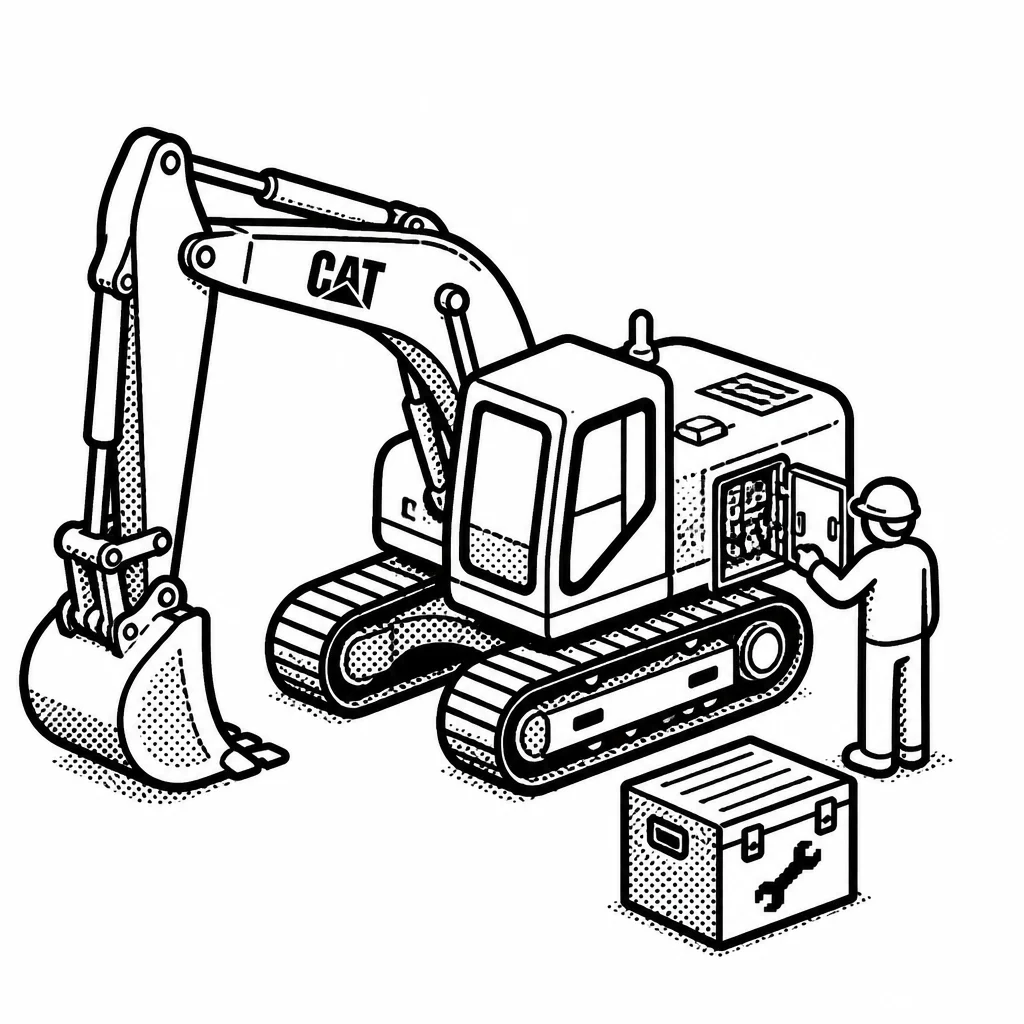
The business runs on a simple, powerful idea: the machine sale is the entry ticket, but the steady profit comes from the long relationship that follows. Caterpillar builds the equipment; Finning owns the exclusive rights to sell and support it in Western Canada, the UK and Ireland, and parts of South America, including Chile and Argentina. Those exclusive territories matter enormously. A mine in the Chilean desert can't easily buy a competing brand once its fleet is built around Caterpillar machines and Finning's service network — switching means retraining staff, rebuilding parts supply, and risking downtime. That lock-in is Finning's moat. The customer base is heavy industry, and that shapes everything. Mining companies are the biggest and most cyclical customers; when copper prices are high, they expand fleets and Finning thrives, and when commodity prices fall, they stop buying and Finning's sales drop sharply. Construction and power customers smooth this out somewhat but don't eliminate the swing. The company also runs a large used-equipment and rental business, and it invests heavily in digital tools that monitor machines remotely so it can predict breakdowns and sell service contracts. Headquartered in Vancouver, Finning traces its roots to a small British Columbia equipment shop founded in the 1930s.
Finning generates solid cash flow and returns much of it to shareholders through dividends and share buybacks — it has repurchased a meaningful slice of its shares over the past decade, shrinking the share count and lifting per-share results. The honest risks are plain: the business is deeply tied to commodity cycles, competition comes from other dealers and equipment makers, and a downturn in mining spending hits revenue fast. It's a picks-and-shovels company in the most literal sense — it doesn't dig for copper, it sells and fixes the machines that do.
Saved answer · last researched 12 Nov 2026