Understand any stock in simple English
Enter a ticker to learn what the company does and how it makes money.
Fonterra Shareholders Fund
Fonterra turns New Zealand milk into dairy ingredients and consumer products and sells them to food and beverage customers around the world.
Fonterra is the giant dairy company behind a huge share of the milk that leaves New Zealand. It collects milk from thousands of dairy farmers, turns it into everyday ingredients like milk powder, butter, cheese, and protein, and sells those products to food and beverage makers across the globe. If you eat a chocolate bar, drink a flavored yogurt, or buy a packaged snack almost anywhere in the world, there is a decent chance a Fonterra ingredient is somewhere inside it.
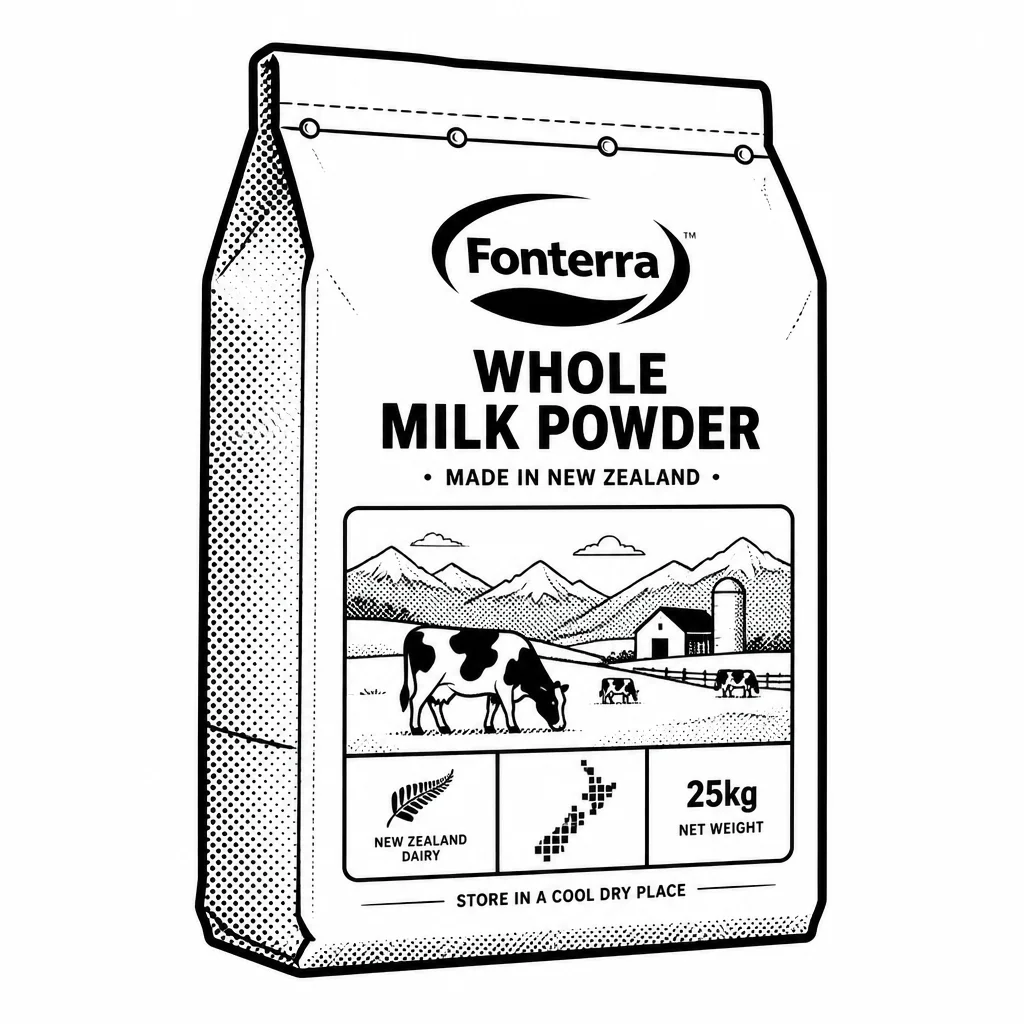
The business runs on a simple rural machine. Farmers supply raw milk, Fonterra processes it into storable products, and then it ships those products to customers who need reliable, consistent dairy at scale. Those customers choose Fonterra because New Zealand milk has a strong reputation and because the company can deliver large volumes year-round. The catch is that dairy prices swing wildly, so profits rise and fall with global milk markets, feed costs, and demand from big importing countries like China. There is an odd ownership twist that matters for investors. Fonterra is a cooperative owned by its farmer-shareholders, and the Fonterra Shareholders Fund gives outside investors an economic stake tied to the cooperative's performance. The fund exists so people who are not farmers can share in the dairy returns without owning the farms. That makes it a different kind of investment from a normal stock: you are essentially buying a slice of the cooperative's economics, not a standalone operating company.
Fonterra has been simplifying itself in recent years. It sold its big overseas consumer brands business, including major ice cream and cheese labels, to focus on its core ingredients and foodservice operations. That is a bet that the boring, steady business of selling dairy inputs to food companies is more reliable than fighting for supermarket shelf space. The company also pays dividends, and because it generates steady cash from processing milk, that payout is a key part of why investors hold the fund. The main risks are the same ones that have always defined dairy: volatile prices, weather, and the constant need to keep farmers and global customers happy at the same time.
Saved answer · last researched 14 Nov 2026