Understand any stock in simple English
Enter a ticker to learn what the company does and how it makes money.
Fresenius SE & Co. KGaA
Fresenius sells the machines, medicines, and hospital services that keep people with kidney failure and other serious illnesses alive and treated.
Fresenius is a German healthcare giant, and its most important job is keeping people with failing kidneys alive. When kidneys stop working, waste builds up in the blood, and patients need dialysis — a machine that does the filtering their body can no longer do. Fresenius makes those machines, sells the disposable filters and fluids they use, and also runs dialysis clinics where patients come several times a week. That combination of selling the equipment and treating the patients is the heart of the business.
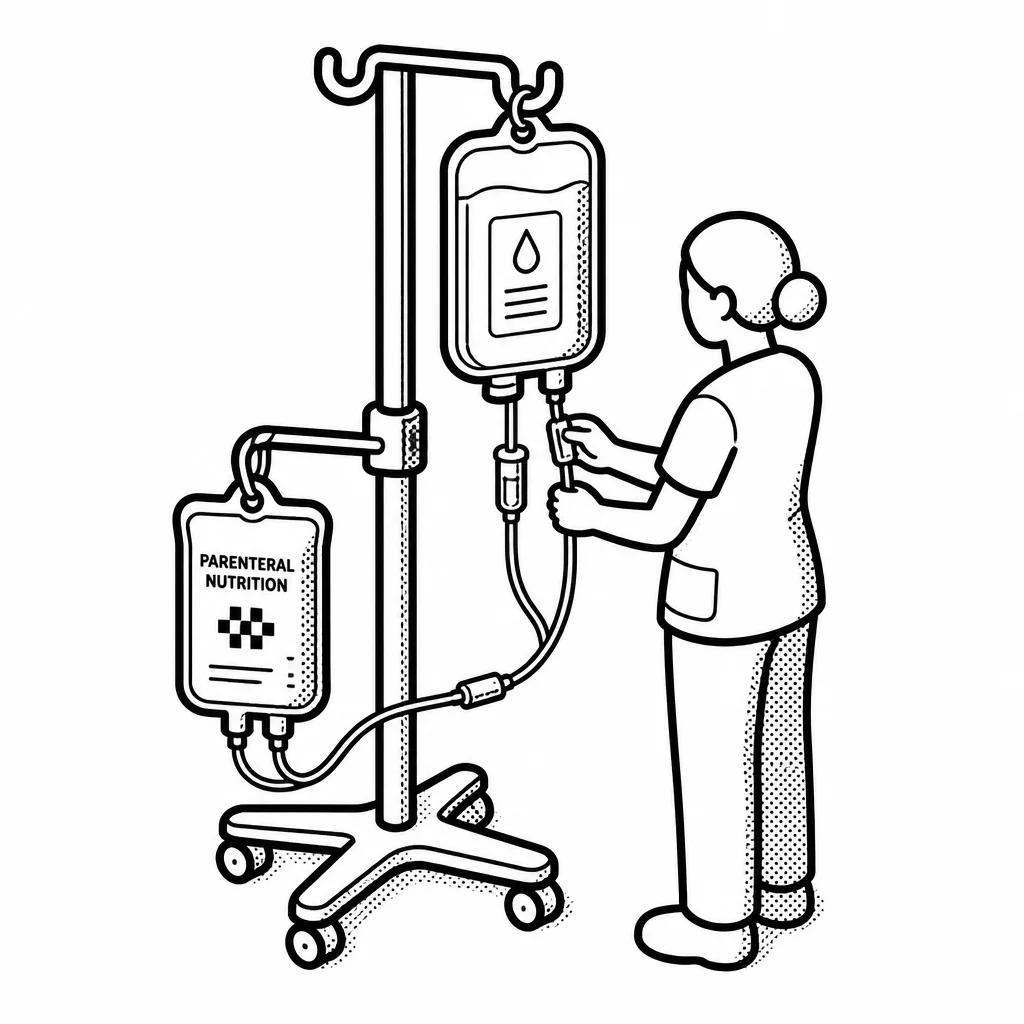
The company is split into distinct pieces. Fresenius Medical Care, which is separately listed, handles dialysis products and clinics and is the group's biggest engine. Another arm, Fresenius Kabi, sells generic medicines and clinical nutrition for hospitals and outpatients — the IV drugs, feeding tubes, and infusion pumps used in everyday care. Fresenius Helios runs hospitals and outpatient centers, mostly in Germany and Spain, making it one of Europe's largest private hospital operators. So the same company sells the tools, the drugs, and the beds. The customers are hospitals, clinics, and health systems, and they choose Fresenius because it offers one-stop shopping for things they need every single day. Hospitals rarely want to juggle dozens of suppliers for basics like saline bags and feeding formulas. Fresenius bundles products and services, and its scale lets it keep prices competitive. The flip side is that this business is deeply tied to government health budgets and regulation — when politicians squeeze healthcare spending, Fresenius feels it.
One thing worth knowing: Fresenius has been simplifying itself. It spun off and later reduced its stake in Fresenius Medical Care, and it has sold off smaller units to focus on its core. The company generates steady cash and pays a dividend, but it has also carried a heavy debt load from past acquisitions, so management has been using proceeds from divestitures to pay that down. Healthcare is a dependable business, but it is not a fast-growing one, and Fresenius is a case study in a giant learning to do fewer things better.
Saved answer · last researched 12 Nov 2026