Understand any stock in simple English
Fisher & Paykel Healthcare Corporation Limited
Fisher & Paykel Healthcare makes humidifiers, breathing masks, and respiratory devices used in hospitals and at home to help people breathe.
Fisher & Paykel Healthcare makes the machines and masks that help people breathe. Its products are used in hospitals and in homes, mostly for patients with sleep apnea or people who need breathing support. The single most important one is a humidifier that adds warmth and moisture to the air a patient breathes through a ventilator or other breathing tube.
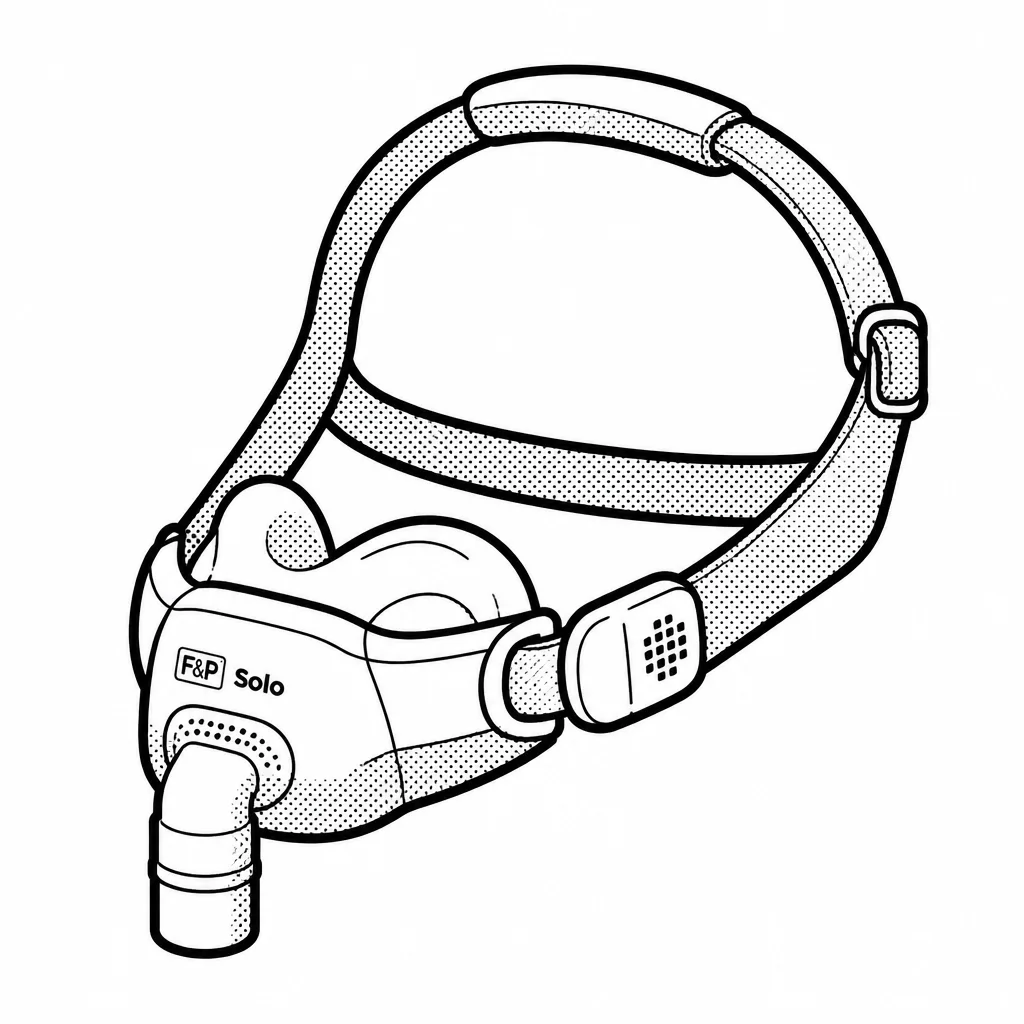
Here's the simple problem it solves. When someone is on a breathing machine, the air pushed into their lungs is dry and cool, which dries out and irritates their airway. The company's heated humidifiers, and the disposable tubes and chambers that go with them, add moisture back so patients stay comfortable and heal better. Hospitals buy the machines, then keep buying the replaceable parts and masks, which is where a lot of the recurring money comes from. On the home side, the company sells masks and machines to people treating sleep apnea, a condition where breathing repeatedly stops during sleep. The business has a split personality by geography. Most of its revenue comes from North America, the world's biggest healthcare market, which is why the company spends heavily on selling and supporting hospitals there. Its main home-market rival is the much larger ResMed, which dominates sleep apnea treatment globally. The company's edge is its long history in humidification and the sheer body of clinical evidence behind its products. It also spends a big chunk of revenue on research and development to keep improving them.
The company is based in Auckland, and the story goes back to a family appliance business that branched into healthcare decades ago. Growth in recent years has come from pushing deeper into hospital breathing circuits, masks, and home care. One risk worth flagging: its fortunes are tied to hospital budgets and to the flow of patients needing respiratory support, so demand can swing with healthcare spending cycles. The business is generally profitable and generates healthy cash flow, which it uses to fund research, expand manufacturing, and pay dividends to shareholders.
Saved answer · last researched 17 Nov 2026