Understand any stock in simple English
Flux Power Holdings, Inc.
Flux Power makes large lithium-ion batteries that replace lead-acid batteries in industrial forklifts and airport ground support equipment.
Flux Power builds the big rechargeable batteries that power the machines moving stuff around warehouses and airports. Its main product is a lithium-ion battery pack that drops into an electric forklift in place of the old lead-acid battery. Same job, different chemistry — and that difference is the whole pitch.
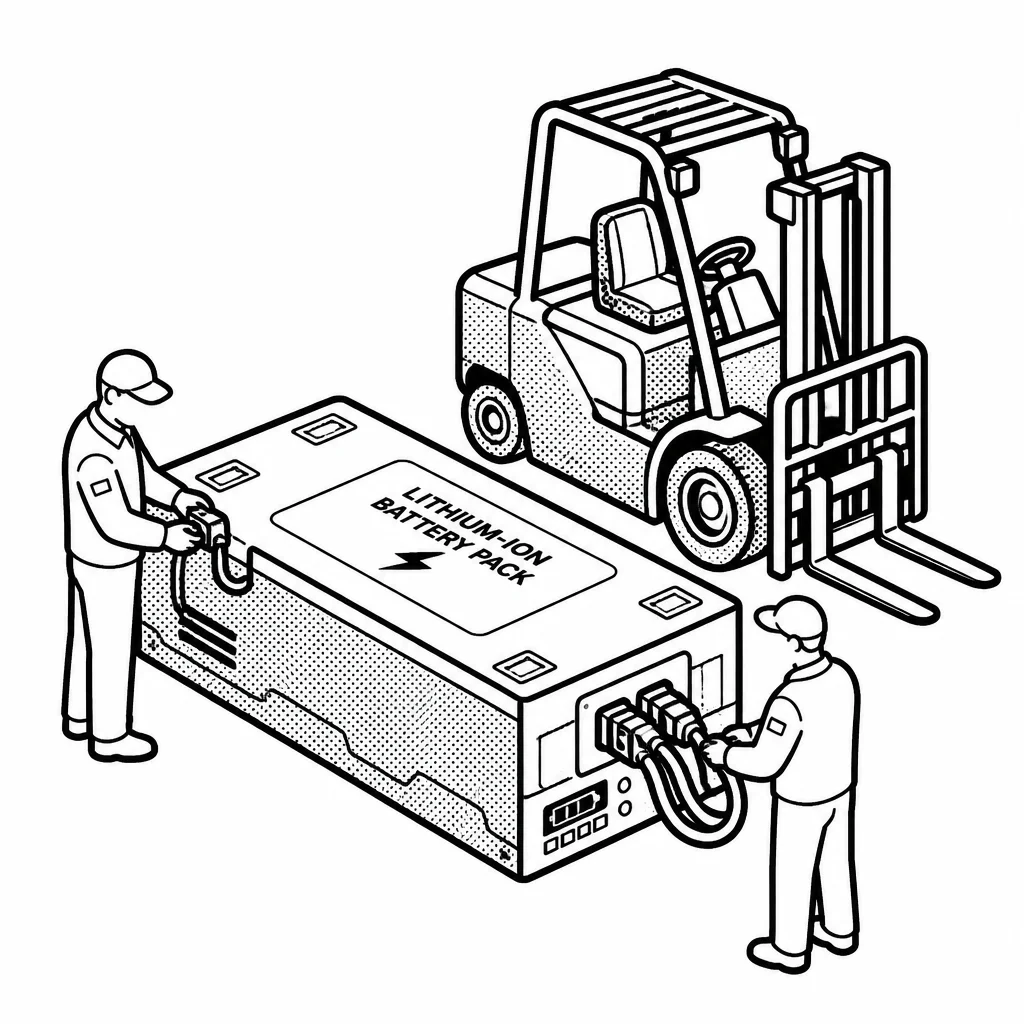
Lead-acid batteries are the workhorse of the warehouse floor, but they are heavy, slow to charge, and need careful handling. They also lose power as they drain. A lithium-ion pack from Flux Power weighs less, charges faster, holds a steady voltage until it runs out, and needs no watering or battery swaps mid-shift. For a busy distribution center, that means less downtime and fewer headaches. Flux also sells the chargers and the software that tracks how each battery is doing, so customers buy a system rather than a loose part. The company is small and has been burning cash for years, which is the honest headline. It sells into a niche where the big battery makers have not focused much, and it has built a customer base of forklift fleet operators, manufacturers, and airport equipment users. Revenue has been growing, but profitability has been elusive, and the business depends on convincing customers to pay more up front for a battery that saves money over time. That payback argument is easier in some years than others.
Flux Power is headquartered in Vista, California, and its shares trade on Nasdaq. It is a scrappy challenger in a market dominated by much larger industrial players, and its future hinges on whether it can keep winning fleet deals, control costs, and finally turn a profit.
Saved answer · last researched 17 Nov 2026