Understand any stock in simple English
Enter a ticker to learn what the company does and how it makes money.
First Citizens BancShares, Inc.
First Citizens is a bank that takes deposits, makes loans, manages wealth, and owns a railcar leasing business.
First Citizens is a bank, but a somewhat unusual one. It takes in deposits and lends money to people and businesses, mostly through branches across the United States. It also runs a wealth management arm that advises richer clients on their money and investments. And through a subsidiary called Trailer Bridge? No — through its railcar leasing unit, it owns and rents out railroad cars to companies that ship goods. Wait, the railcar leasing arm is actually a separate piece: First Citizens owns a railcar leasing business that rents train cars to shippers over long contracts.
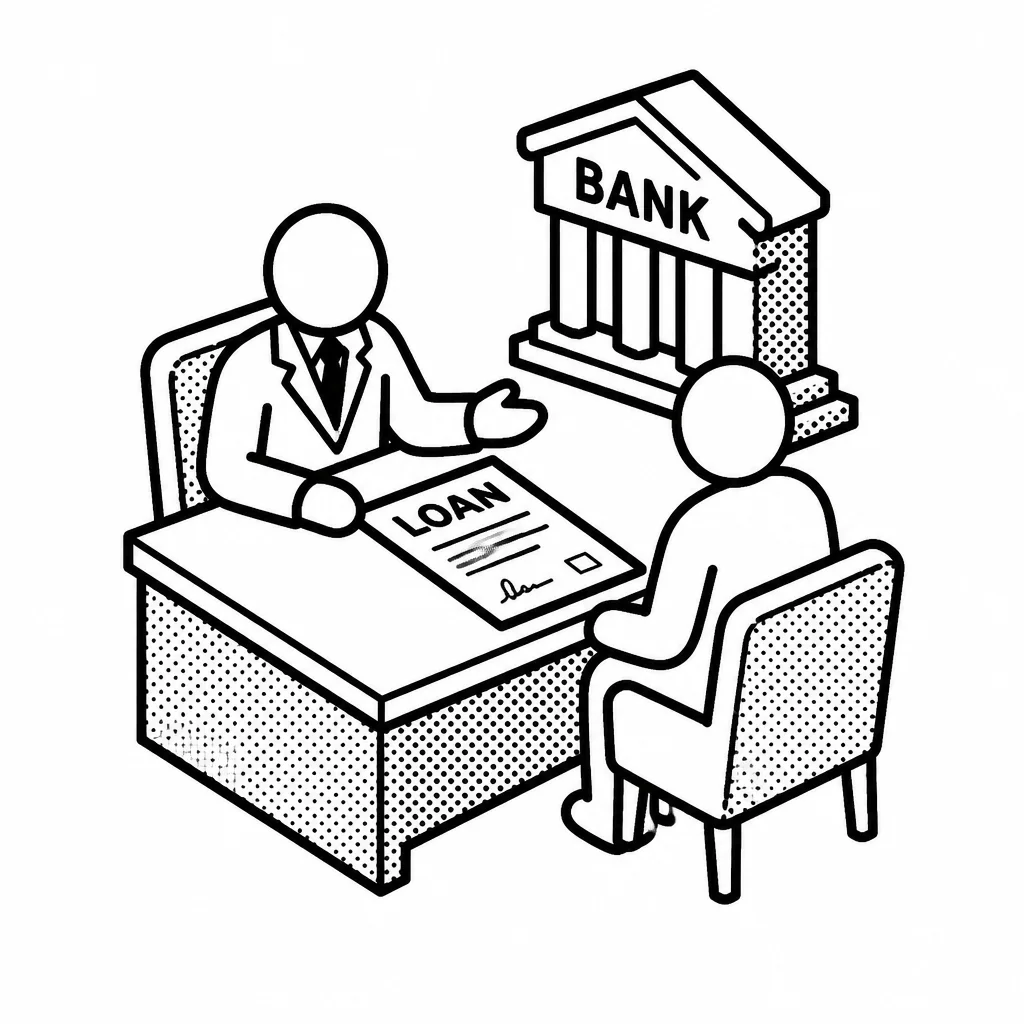
Most banks make money on the spread: they pay you a little for your deposit and charge borrowers more for a loan, pocketing the difference. First Citizens does the same, but it has a reputation for being a careful, conservative lender that buys other banks at bargain prices. That strategy turned it into a much bigger company. In 2023, it bought most of Silicon Valley Bank after that bank collapsed, which instantly gave it a big chunk of wealthy tech clients and a pile of new deposits. That deal reshaped the company. There is a great family story here. First Citizens traces back to a small North Carolina bank that the Holding family bought in the 1930s, and the family still runs it today. Frank Holding Jr. is the chairman and CEO, and the family's long grip on the bank helps explain its patient, deal-hunting style. It is not a flashy Wall Street giant; it is a quiet operator that grows by buying things other people no longer want. The railcar leasing piece is a neat sidetrack. Trains move coal, grain, chemicals, and cars, and someone has to own the physical railcars. First Citizens' unit buys them and rents them out on multi-year leases, collecting steady payments. That is a very different business from banking — no deposits, no loan officers — but it throws off reliable cash.
The bank also returns a lot of cash to shareholders. It pays a dividend and has been buying back its own stock, which shrinks the number of shares and makes each remaining share worth more. The big question for investors is whether the Silicon Valley Bank purchase was a one-time bargain or a lasting expansion. So far, the company has used the cheap deposits and new clients to grow, but it still has to prove it can manage a much larger, more complex business as carefully as it managed the small one.
Saved answer · last researched 14 Nov 2026