Understand any stock in simple English
Enter a ticker to learn what the company does and how it makes money.
Edwards Lifesciences Corporation
Edwards Lifesciences makes replacement heart valves and heart-monitoring equipment used to treat people with structural heart disease.
Edwards Lifesciences makes the replacement parts that keep badly damaged hearts working. Its biggest business is artificial heart valves, especially ones that can be threaded into place through a blood vessel instead of cracking open the chest. Doctors use these to fix aortic stenosis, a condition where the heart's main outlet valve stiffens and can't open properly. The company also sells monitoring gear and surgical tools used during heart procedures.
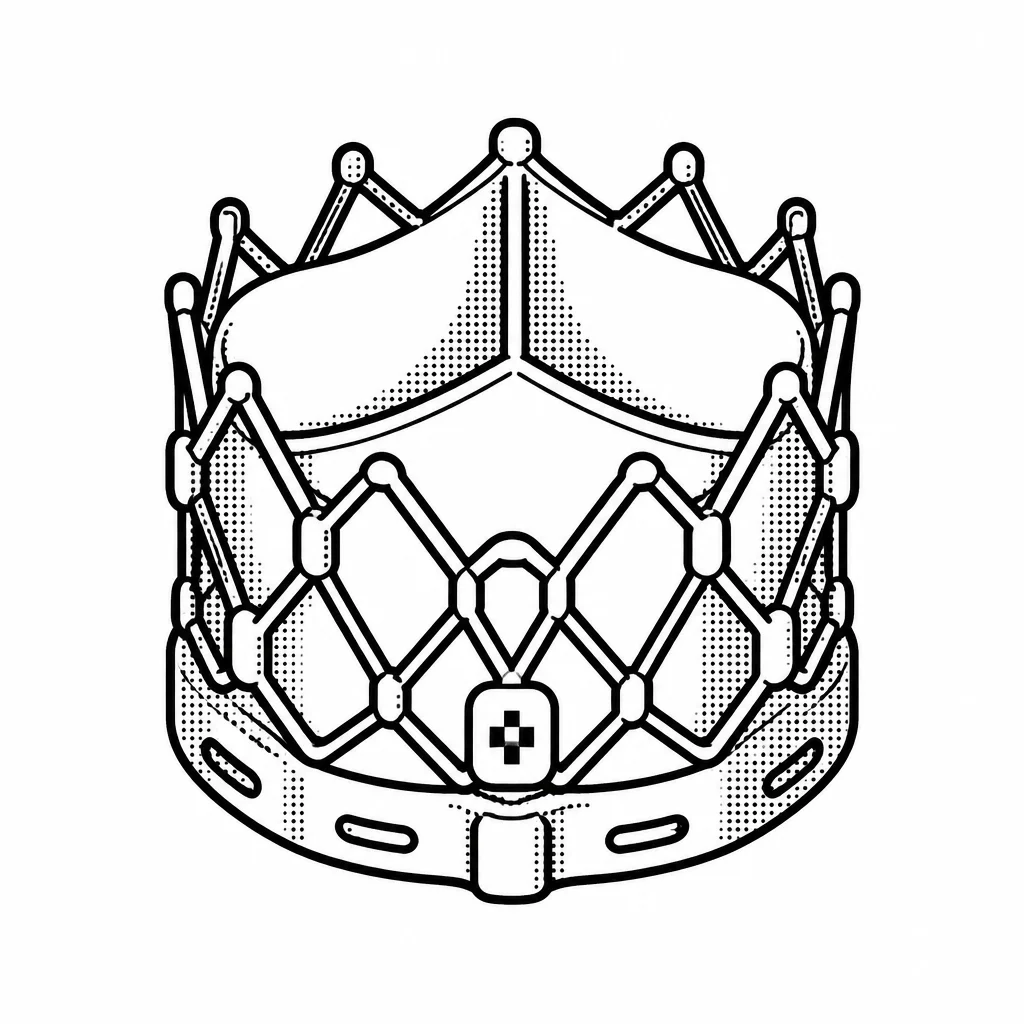
The star product is a valve delivered by catheter, a procedure called TAVR (transcatheter aortic valve replacement). A doctor guides a folded-up valve through an artery, usually from the groin, and pops it open inside the diseased valve. For many older or frail patients, this beats open-heart surgery because there's no chest incision and recovery is far faster. Edwards was a pioneer here and still leads the market, though Medtronic sells a competing valve and the two fight hard for hospital contracts. The company also sells valves for the mitral and tricuspid valves on the other side of the heart, and it makes surgical valves for patients who do need open surgery. Hospitals pay for these devices, and they choose Edwards largely on clinical evidence and doctor familiarity. The business is lucrative because heart disease is common, aging populations keep expanding the pool of patients, and switching valve brands is not something surgeons do lightly. The flip side is that this is a fight over evidence: rivals challenge Edwards with their own trial data, and payers push back on price as the procedure becomes more routine. Edwards also spends heavily on research to keep its lead.
The company spends a big chunk of its cash on buying back its own shares—it repurchased roughly $1 billion worth in 2024, following similar buybacks in prior years—and on developing the next generation of valves and heart devices. It has also made acquisitions to widen its reach into areas like heart failure monitoring. The simple version: Edwards sells small, expensive devices that extend and improve lives, and it earns money every time a patient needs a new valve.
Saved answer · last researched 12 Nov 2026