Understand any stock in simple English
Vertical Aerospace Ltd.
Vertical Aerospace designs and builds battery-powered aircraft that take off and land like a helicopter but fly like a plane, aiming to carry passengers on short city-to-city hops.
Vertical Aerospace is building a flying taxi. Its aircraft, called the VX4, takes off straight up like a helicopter, then tilts its rotors forward and cruises like a small airplane. The pitch is simple: skip the traffic and the airport, and hop between cities in minutes instead of hours. The planes are electric, so they are quiet and produce zero emissions — a real selling point for flights over neighborhoods where a loud helicopter would cause complaints. The company is based in Bristol, England, a city with a long history in aerospace.
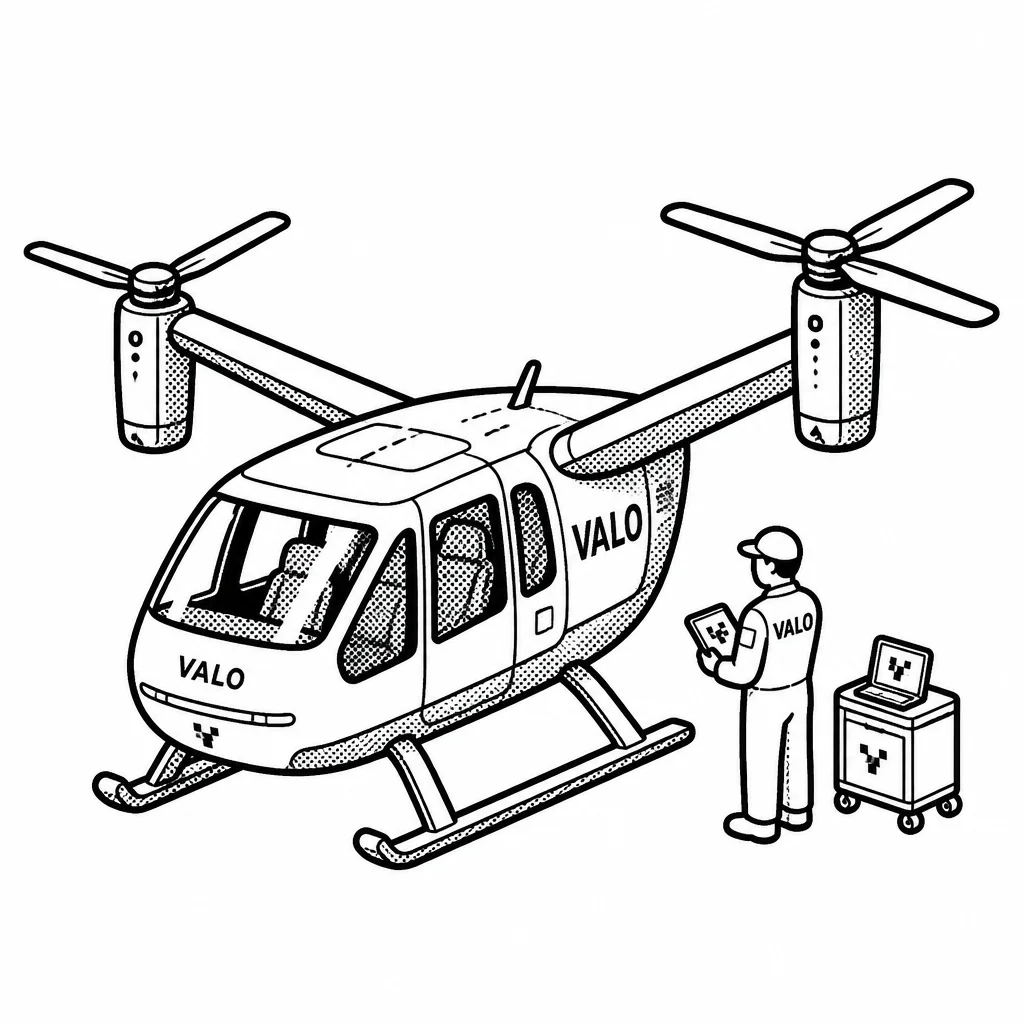
Nobody flies on one yet. Vertical does not earn money from ticket sales; its money today comes from customers who place orders and pay deposits, plus cash from partners and investors who are helping fund development. Those customers are mostly airlines, aircraft leasing companies, and travel operators who want to add short electric flights to their networks. They are betting that early orders secure them a place in line before the aircraft is certified. This is the core risk: Vertical collects promises to buy, not planes it can deliver, because the VX4 is still going through the long, expensive process of winning safety approval from regulators. Building an aircraft from scratch is brutally expensive, and Vertical has burned through a lot of cash getting this far. Its early backers included major aviation players, and one of the most important strategic investors is American Airlines, which has placed a large conditional order and partnered on the project. Vertical went public in 2021 by merging with a blank-check company, a route many flying-taxi startups took to raise money quickly. Since then the stock has fallen hard as investors grew impatient with the slow pace of certification and the company's cash needs, and it has repeatedly had to raise more money to keep going.
The competition is crowded. Joby Aviation and Archer Aviation, both US-listed, are chasing the same market, and traditional helicopter operators and planemakers are watching closely. Vertical's advantage is its engineering team and the fact that it designed the VX4 around existing certification rules, which could make approval smoother. Its vulnerability is money and time: every month of delay means more cash spent before the first paying passenger ever boards. Whether Vertical becomes a real airline supplier or another cautionary tale depends on getting the VX4 certified and into production before its funding runs out.
Saved answer · last researched 17 Nov 2026