Understand any stock in simple English
Enter a ticker to learn what the company does and how it makes money.
EverQuote, Inc.
EverQuote runs an online marketplace that connects people shopping for insurance with insurance companies and agents who pay for those leads.
EverQuote is an online insurance marketplace. When you go online to shop for car insurance, home insurance, or life insurance, EverQuote wants to be the site you land on — and the middleman that hands your information to insurers who are eager to sell you a policy.
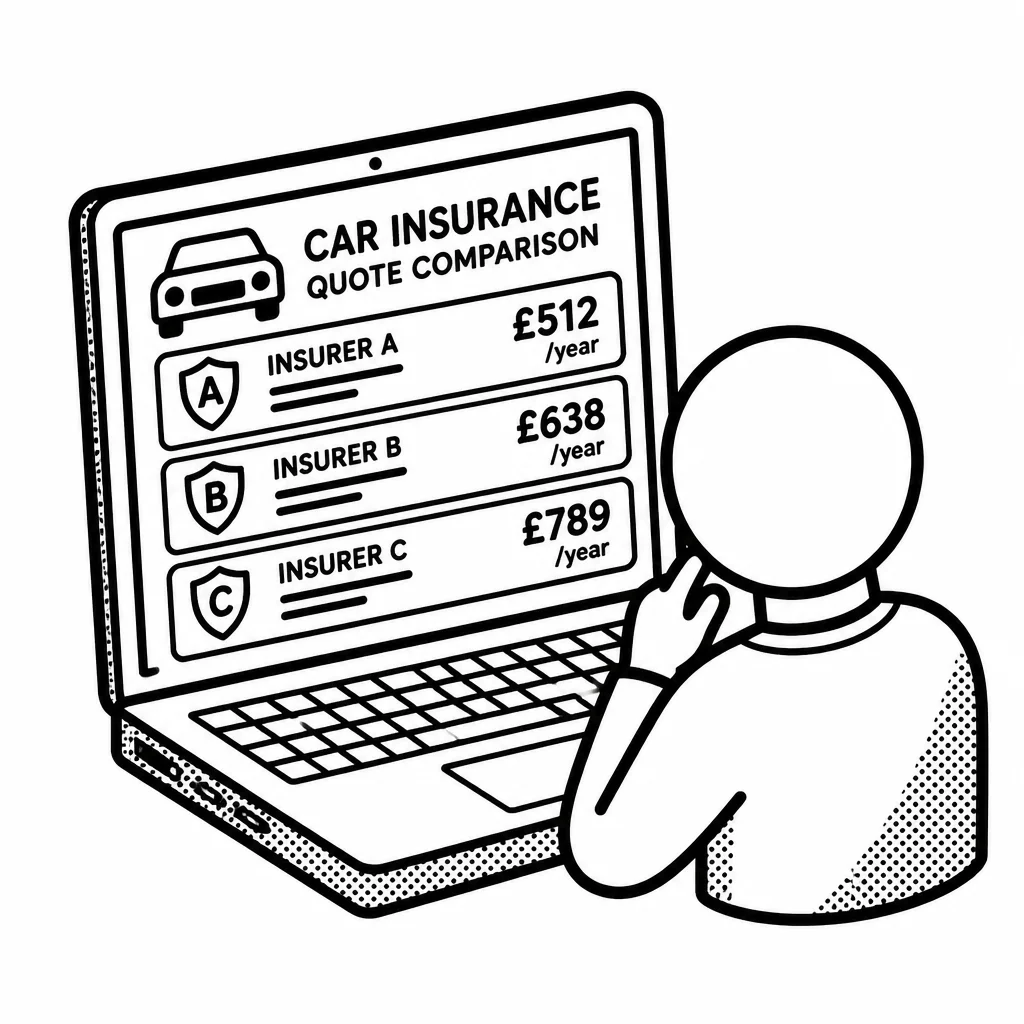
Here's how the money works. A shopper visits EverQuote, answers a few questions about their car, their driving record, or their house, and gets matched with quotes. EverQuote doesn't underwrite any of that risk itself; it doesn't pay claims or set premiums. Instead, it sells the resulting leads and referrals to insurance carriers and agents. The insurers pay EverQuote because finding a ready-to-buy customer is expensive and hard, and EverQuote aggregates that demand at scale. It's a classic matchmaking business: the shopper gets comparison shopping for free, and the insurer pays for a warm introduction. The company was originally called AdHarmonics, Inc. before rebranding as EverQuote, and it listed on the Nasdaq Global Market. Its core engine is performance marketing — figuring out which ads and search terms bring in shoppers likely to actually buy insurance, then routing those shoppers to the insurers most willing to pay for them. That makes the business sensitive to two things: how much insurers are willing to spend on marketing, and how well EverQuote's technology can predict which leads convert. When insurance carriers tighten their ad budgets, EverQuote feels it quickly.
It's a competitive space. EverQuote squares off against other lead-generation marketplaces and comparison sites, as well as the in-house marketing machines of big carriers. Its edge comes from data and scale — the more shoppers and insurers it has on the platform, the better it can match them and the more valuable each lead becomes. The risk is that it sits between two parties it doesn't control, so its fortunes rise and fall with the health of the insurance industry's appetite for new customers.
Saved answer · last researched 16 Nov 2026