Understand any stock in simple English
Enter a ticker to learn what the company does and how it makes money.
iShares Trust iShares ESG Aware MSCI USA ETF
It is an exchange-traded fund that holds a basket of large and mid-sized U.S. companies screened for environmental, social, and governance factors, letting investors own that basket in one purchase.
This fund is a ready-made basket of stocks. An investor buys a share, and behind that share sits a collection of big and mid-sized American companies — the kind of household names that make up the broad U.S. market — filtered to leave out firms that score poorly on environmental, social, and governance measures. The investor gets the ups and downs of that basket in one click, without picking individual stocks.
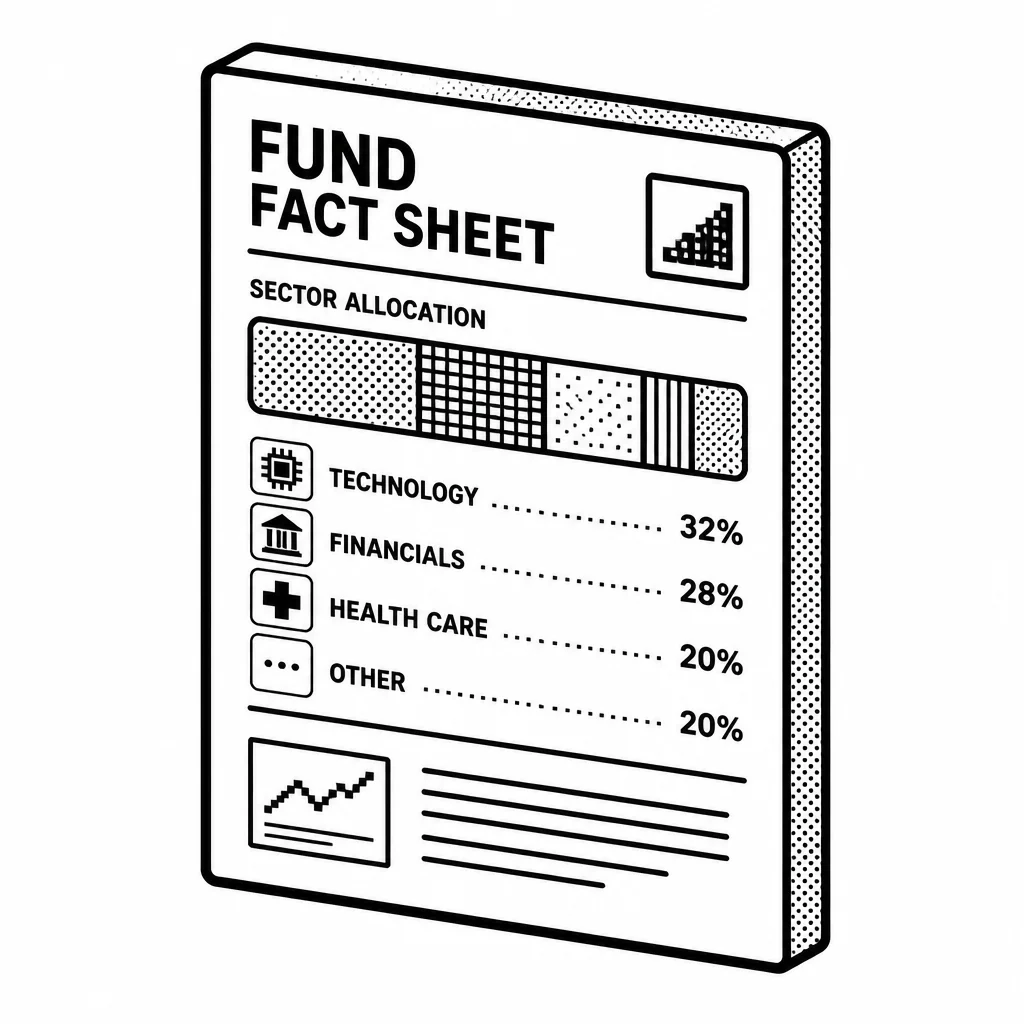
The "ESG" part is the twist. The fund tracks an index built by MSCI that starts with the broad U.S. market, then tilts toward companies judged better on things like carbon emissions, labor practices, and board independence, while dropping those that fail the screen. So an investor is effectively saying: give me the American market, but lean it toward companies I can feel okay about. It is a middle path — not a niche green fund holding only wind farms, but the mainstream market with a values filter applied. People buy it for convenience and price. It trades on Nasdaq like a stock, so it can be bought and sold any time the market is open, and it charges a small annual fee that comes straight out of the fund's assets. The issuer, iShares — the fund arm of BlackRock — earns that fee and runs the plumbing: tracking the index, handling creations and redemptions, and keeping the holdings in line. Investors choose it over a plain S&P 500 fund when they want the ESG tilt, and over pricier actively managed "sustainable" funds when they want low costs and full transparency about what they own.
The honest catch is that ESG screening is fuzzy and contested. Different raters disagree about which companies pass, and critics argue such funds often end up looking a lot like the ordinary market while charging a bit more. There is also the risk that comes with any index fund: no manager is stepping in to dodge trouble, so the basket falls when the market falls. Still, for someone who wants broad U.S. exposure with a values screen and no desire to pick stocks, it does exactly one simple job.
Saved answer · last researched 15 Nov 2026