Understand any stock in simple English
Enter a ticker to learn what the company does and how it makes money.
Telefonaktiebolaget LM Ericsson (publ)
Ericsson builds and runs the equipment and software that mobile phone networks use to connect people and businesses.
Ericsson is one of the two or three companies in the world that actually build mobile phone networks. When you make a call, stream a video, or send a text, your signal travels through radio towers and switching equipment that Ericsson either made or manages. The company sells the hardware — the antennas, radios, and base stations — along with the software that makes it all work, to telecom operators like Verizon, AT&T, and Vodafone, as well as to big enterprises building their own private networks.
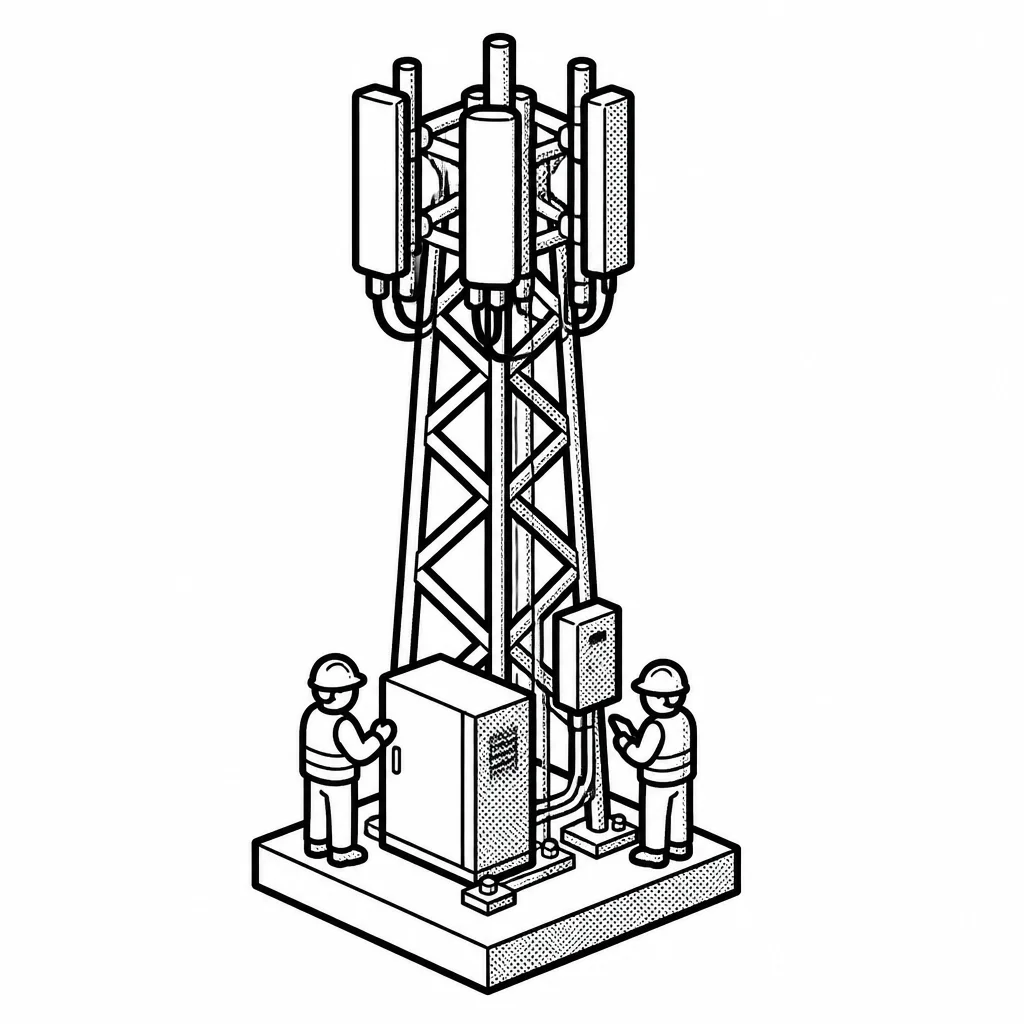
The business breaks into a few pieces. Its core networks unit sells the radio access gear and software that connect phones to the internet. A services arm installs, maintains, and runs those networks for operators who would rather not do it themselves. And a smaller but important piece, often called Enterprise, sells private 5G networks to factories, ports, and mining companies. Ericsson also holds a large patent portfolio, and licensing those patents to phone makers like Apple and Samsung generates high-margin revenue with almost no cost attached. The industry is brutal. Ericsson competes head-to-head with Nokia and with Huawei, the Chinese giant that Western governments have increasingly pushed out of their networks over security concerns. That political shift has been a tailwind for Ericsson in places like the United States, but it also means the business is exposed to geopolitics. A single large operator deciding to upgrade its network or hold off can swing a quarter's results.
Ericsson's story goes back to 1876, when Lars Magnus Ericsson started repairing telegraph equipment in Stockholm. The company has been through booms and near-death moments — the dot-com crash hit it hard — but it survived by staying focused on network gear. Today it spends heavily on research and development to stay ahead on 5G and the coming 6G standard. Its free cash flow gets returned to shareholders through dividends and buybacks, though the company has also had to pay billions in fines over past corruption cases, a reminder that the telecom equipment business runs through some difficult parts of the world.
Saved answer · last researched 12 Nov 2026