Understand any stock in simple English
Enter a ticker to learn what the company does and how it makes money.
E.ON SE
E.ON sells electricity and gas and runs the power and gas networks that deliver energy to homes and businesses across Europe.
E.ON is one of Europe's biggest energy companies, and its main job is moving power and gas to the people who need them. It sells electricity and gas to households and businesses, but the bigger and more interesting part is the wiring underneath all that: it owns and operates the networks — the cables, pipes, and meters — that carry energy from where it's made to where it's used. Think of it less as the shop selling you energy and more as the toll road the energy travels on.
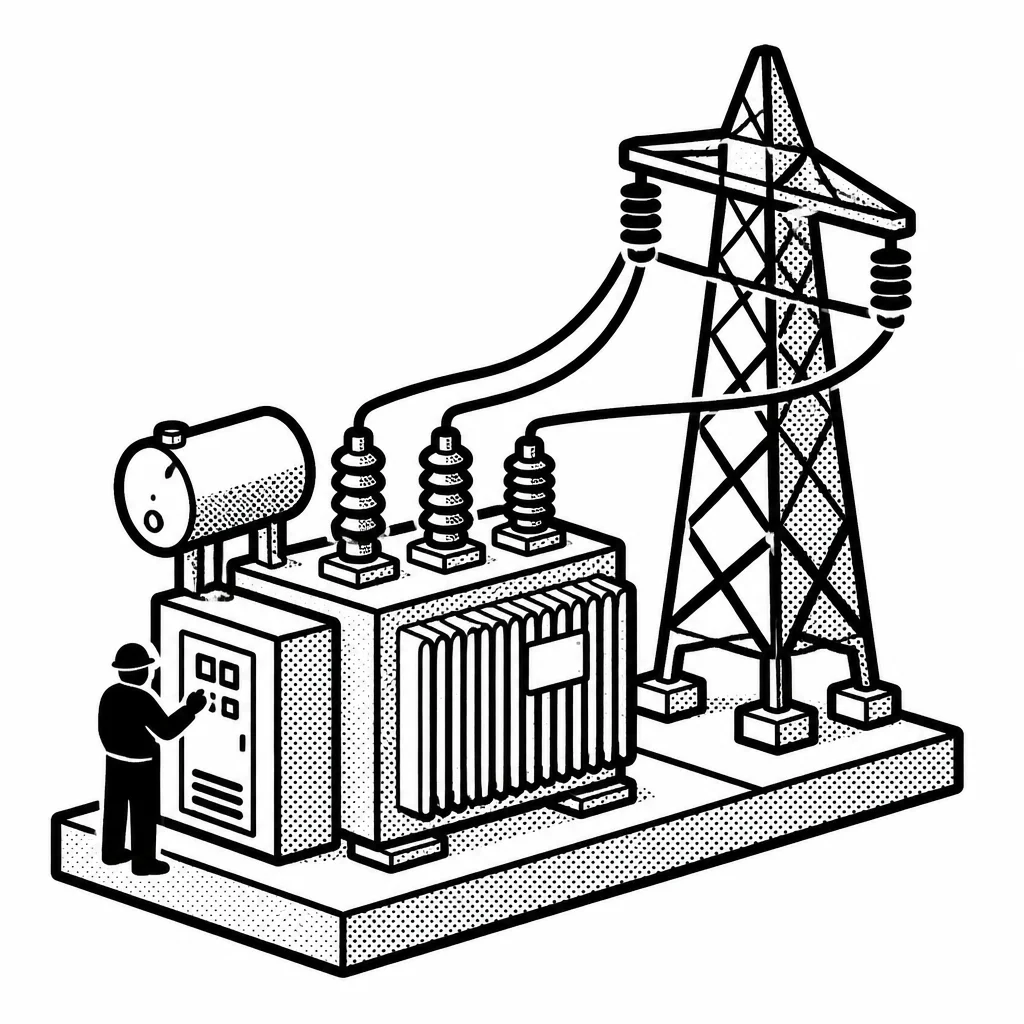
That distinction matters. Selling energy is a crowded, low-margin game where customers can switch suppliers quickly, and regulators in many markets watch prices closely. Running the network is different: E.ON's local grid is a bit like the only road into your neighborhood. You can pick whichever energy supplier you like, but the electrons still have to travel down E.ON's wires to reach your kettle, and E.ON collects a regulated fee for that. That's why the company has been reshaping itself around networks and infrastructure solutions rather than chasing retail customers. The company is headquartered in Essen, Germany, and its territory stretches well beyond its home market. It serves customers across several European countries, including Germany, the UK, Sweden, the Netherlands, and parts of Eastern Europe, through a mix of network businesses and customer-facing energy retail. In simple terms, it earns money in two ways: regulated fees for operating the grid, and payments from customers for the electricity and gas it supplies. The grid side is steadier and more predictable, which is exactly the kind of business E.ON has leaned into. The big story hanging over E.ON is Europe's energy transition. As countries push toward renewable power, electrified heating, and electric cars, the electricity grid has to handle far more traffic — and someone has to pay for the upgrades. E.ON is spending heavily on exactly that: reinforcing and modernizing its networks, installing smart meters, and building energy infrastructure for businesses and cities. That's a huge capital investment program, and it's the bet that a greener Europe will need more grid, more connections, and more management of a messier energy system — with E.ON collecting fees along the way.
There are real risks, though. Because so much of its revenue is regulated, E.ON's profits depend on what regulators allow it to earn, and those decisions are made in many countries with different politics and different appetites for green spending. Energy prices, interest rates on its big debt pile, and the pace of the energy transition all move the story. Still, the core logic is simple: E.ON doesn't need to win a popularity contest with customers. It needs Europe's power grid to keep growing — and it's betting its money that it will.
Saved answer · last researched 12 Nov 2026