Understand any stock in simple English
Enter a ticker to learn what the company does and how it makes money.
Siemens Energy India Limited
It builds and services the equipment that makes and moves electricity, from power plants to transmission grids.
Siemens Energy India makes the heavy machinery behind electricity. Utilities, factories, and infrastructure builders buy its power generation and transmission equipment, and they also pay for the ongoing service that keeps that equipment running. When a plant needs a new turbine, or a grid operator needs switchgear and transformers, this is one of the companies they call.
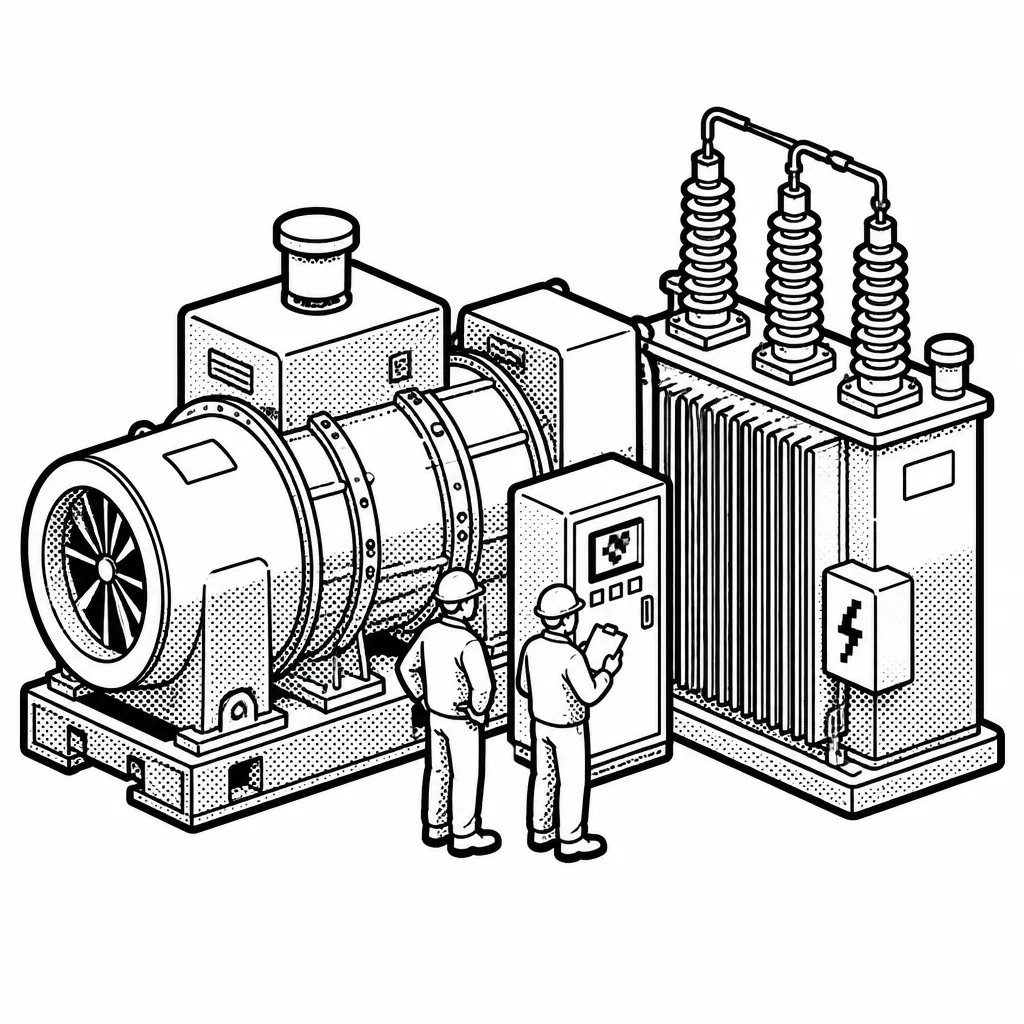
The business sits on a simple truth: electricity demand keeps rising, and the equipment that carries power from where it's made to where it's used has to work every single day. That gives the company two kinds of money. One is project sales, where it builds and delivers large equipment for power plants and grids. The other is service, which is steadier, because every installed machine needs maintenance, parts, and repairs for decades. In India, a fast-growing economy with a huge push toward adding power capacity and upgrading the grid, being a local arm of a global equipment giant helps. It benefits from the parent's engineering know-how while selling into one of the world's biggest and most active energy markets. The main competition comes from other big power-equipment makers, and winning often comes down to price, reliability, and service reach.
The risks are real. Large equipment orders can be lumpy, projects can run late, and demand depends on how much governments and utilities spend on new power capacity. But the long tail of service revenue and the steady need to keep the lights on give the business a dependable core underneath the ups and downs of big-ticket orders.
Saved answer · last researched 12 Nov 2026