Understand any stock in simple English
Enter a ticker to learn what the company does and how it makes money.
Engie SA
Engie produces and sells electricity, natural gas, and renewable energy to homes, businesses, and industries around the world.
Engie is one of Europe's largest energy companies, and its basic job is to keep the lights on and the heat running. It generates electricity, sells natural gas, and increasingly builds and operates renewable power like wind and solar farms. Its customers range from families heating their homes to huge factories and city governments that need reliable, large-scale energy.
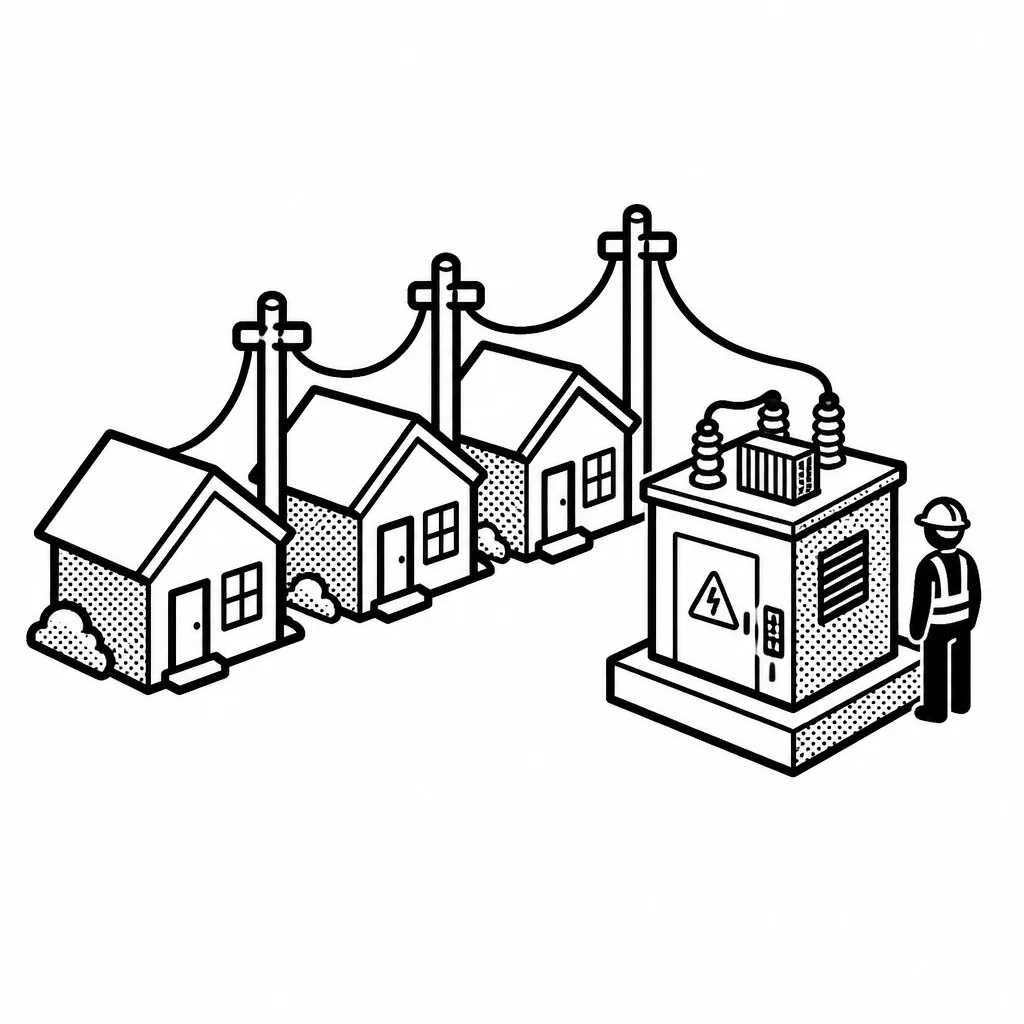
The company has two big sides to its business. One side owns and runs power plants and energy infrastructure — the physical assets that make and move energy — and sells that output. The other side is closer to a retailer: it buys and sells gas and electricity and bills customers directly, along with services like energy efficiency upgrades and on-site solar. That split matters because the asset side is capital-hungry and steady, while the retail side is more competitive and closer to the customer. Engie's history explains its shape. It was long known as GDF Suez, a giant formed by the merger of France's gas utility and water company Suez, and it renamed itself Engie in 2015 as part of a pivot toward cleaner energy. The company has been steadily selling off coal plants and other fossil-heavy assets and putting money into renewables like wind and solar, betting that the future of energy is a lot less carbon-heavy than its past.
The honest challenge: Engie sits in a sector where governments set rules, energy prices swing wildly, and the shift to renewables is expensive and slow. It must keep paying dividends to shareholders while funding huge construction projects, and it competes with other big European utilities and a growing crowd of independent renewable developers. Its size and its grip on regulated networks in places like France give it stability that pure power traders lack — but the transition it has committed to is a costly, long grind, not a quick win.
Saved answer · last researched 15 Nov 2026