Understand any stock in simple English
Enter a ticker to learn what the company does and how it makes money.
Eneva S.A.
Eneva produces and sells electricity and natural gas in Brazil, running power plants and gas pipelines that serve industry and the grid.
Eneva is a Brazilian energy company that sells electricity and natural gas. It runs power plants that burn natural gas to make electricity, and it also owns the pipelines and gas fields that supply that gas. Its customers are mostly big industrial companies and the Brazilian power grid itself.
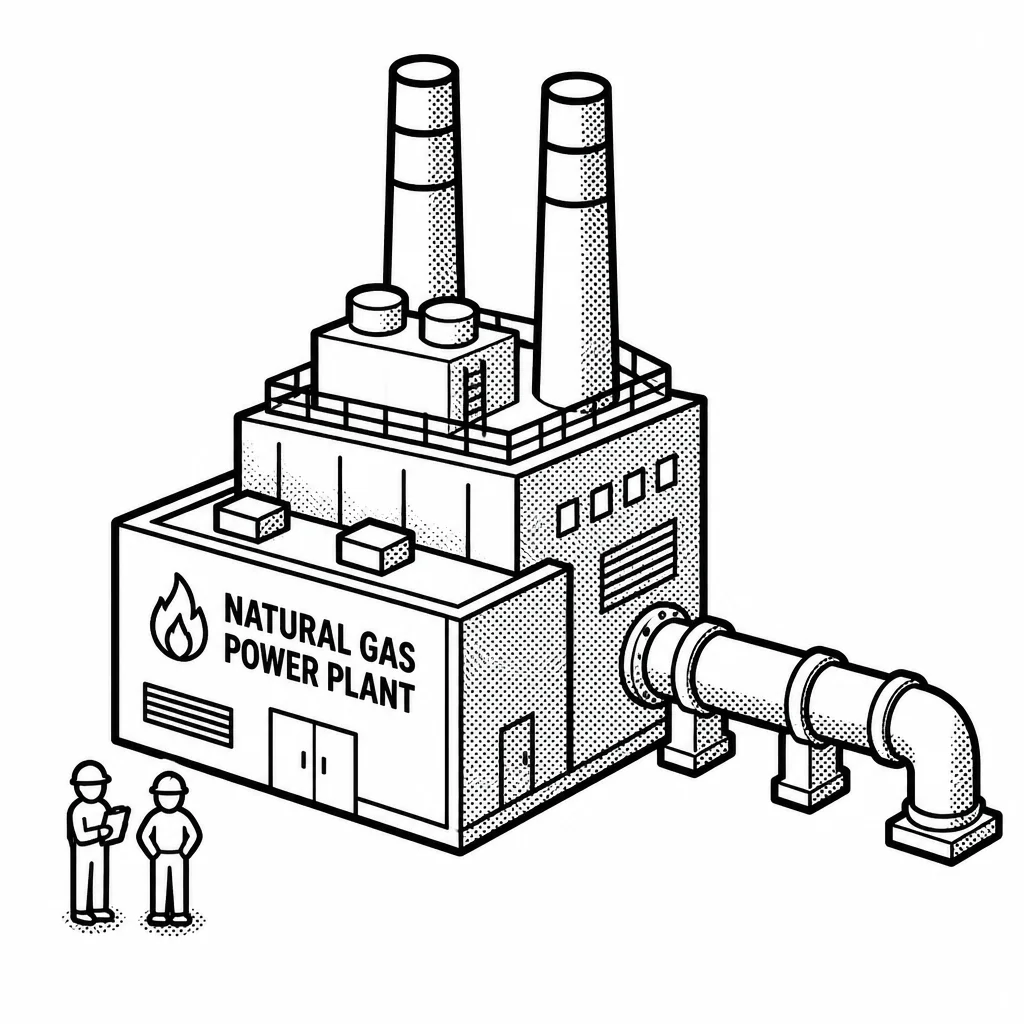
The clever part of the business is that Eneva often controls the whole chain. It pulls gas out of the ground in remote areas, pipes it to its own power plants, and sells the electricity. This "reservoir-to-wire" setup means it isn't stuck buying fuel from someone else at whatever price the market demands. Most of its gas comes from fields in the Amazon region, which it developed largely to feed its own plants rather than to sell widely as pipeline gas. Eneva used to be called MPX Energia, a company tied to Brazilian billionaire Eike Batista's empire, which collapsed in the early 2010s. Germany's E.ON had a big stake for a while, and today the company is controlled by investors including BTG Pactual. It grew partly by buying gas-fired plants and, notably, attempted a major merger with Petrobras-related assets and gas distributor deals that would have expanded its reach. The company's fortunes swing with rainfall — when Brazil's huge hydropower system runs dry, its gas plants get called on more and earn more.
Eneva is a real business with real cash flow, but it's also capital-hungry: power plants and pipelines cost a fortune to build. It spends heavily on expansion and carries meaningful debt, which makes it sensitive to interest rates and to how much electricity the grid needs from it. Investors own it for exposure to Brazil's power demand and gas sector, not for steady dividends.
Saved answer · last researched 12 Nov 2026