Understand any stock in simple English
Enter a ticker to learn what the company does and how it makes money.
EMC Public Company Limited
EMC is a Thai construction and engineering company that builds large government and private projects, from buildings and infrastructure to electrical and mechanical systems.
EMC is a Thai contractor that builds things other people need: government buildings, infrastructure, and the electrical and mechanical systems inside large facilities. It also develops real estate. The customers are mostly Thai government agencies and private companies that hire EMC to do the construction work and engineering on their projects.
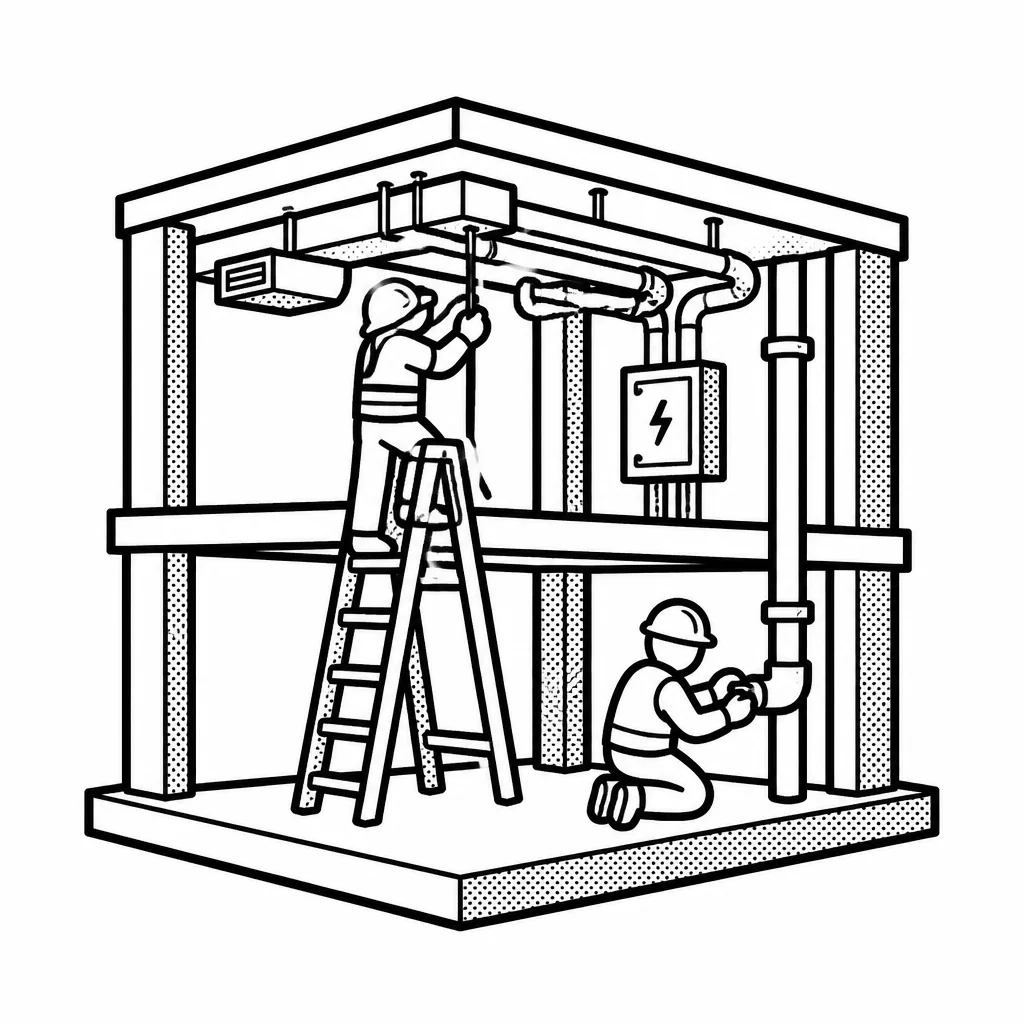
The business is what the industry calls a contractor, meaning EMC takes on the job, manages the labor, equipment, and subcontractors, and gets paid for the finished work. The electrical and mechanical engineering part is a specialty inside that: wiring, climate systems, and the technical machinery a big building needs to actually function. That mix lets EMC bid on both the concrete work and the technical systems, which can make it a one-stop shop for complex projects. Construction contracting is a thin-margin, cash-hungry business. Contractors typically get paid as work progresses, often after spending money upfront on materials and labor, so the gap between what they owe and what they are owed matters a lot. Government projects can be steady but slow to pay. That is the core tension in EMC's business: winning contracts is good, but collecting on them on time keeps the lights on. The company went public on the Stock Exchange of Thailand, which gave it access to public capital to fund projects and grow. Its history traces back to an engineering partnership that later became a public company. The quality of a contractor ultimately comes down to a few unglamorous things: the backlog of signed contracts, whether those contracts are priced well, and whether the company gets paid without the cash flow choking.
For anyone watching EMC, the key questions are simple. How much work is in the backlog, and is it profitable work? Is the government paying on schedule? And is the company taking on more debt to fund projects than its thin margins can safely support? These are the boring questions that decide whether a contractor thrives or stumbles.
Saved answer · last researched 14 Nov 2026