Understand any stock in simple English
Enter a ticker to learn what the company does and how it makes money.
Emera Incorporated
Emera is a utility company that delivers electricity and natural gas to millions of homes and businesses, mostly in Canada, the United States, and the Caribbean.
Emera is a utility company, which means it does the unglamorous but essential work of keeping the lights on and the heat running. It generates and delivers electricity to homes and businesses, and it also pipes natural gas to customers who use it for heating and cooking. Most of its customers are in Canada and the United States, with additional operations in the Caribbean. The company is headquartered in Halifax, Nova Scotia, and has been built up over decades through a series of acquisitions that turned a regional Canadian power company into a multinational one.
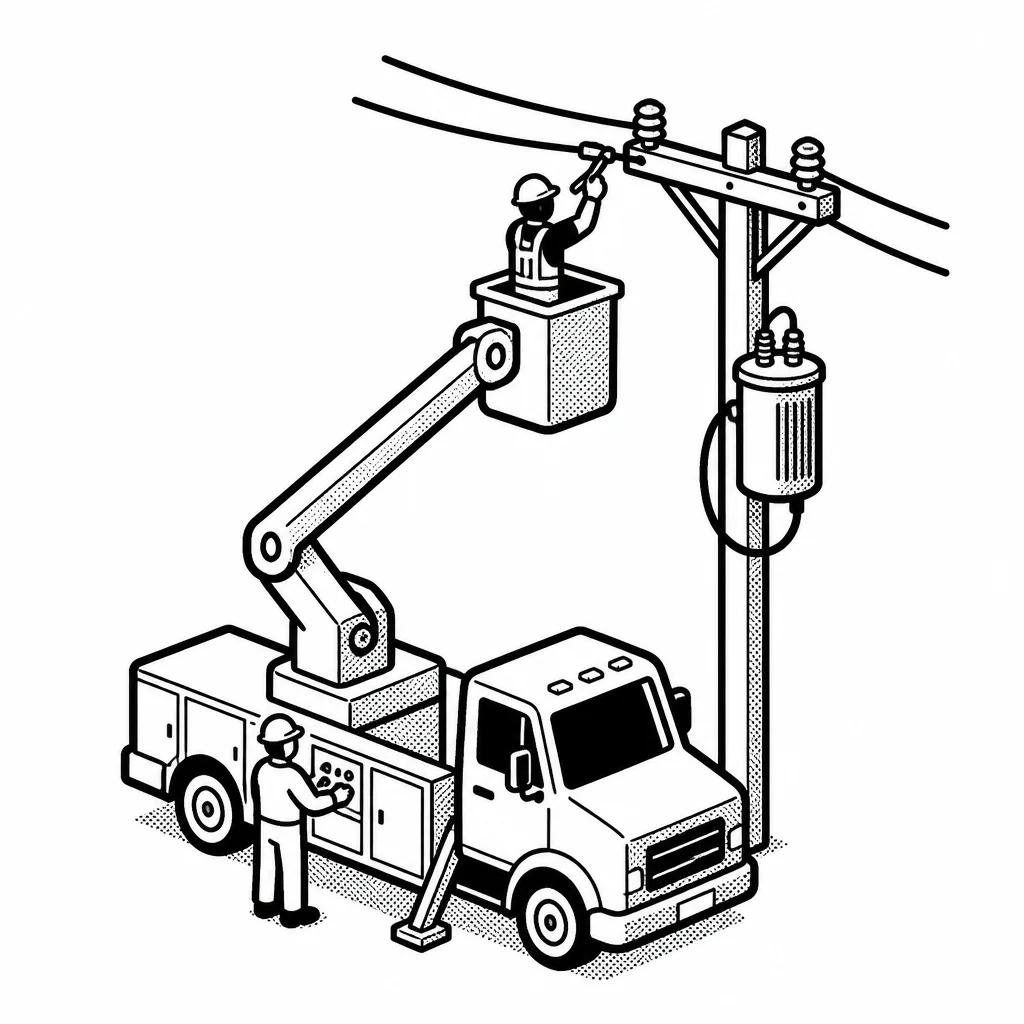
The key to understanding Emera is that it mostly operates in regulated markets. That means a government body sets the prices the company can charge customers, and in exchange, the company gets a predictable, legally protected return on the money it invests in poles, wires, pipes, and power plants. It is a bit like owning a toll road where the government guarantees you a fair profit, as long as you keep the road in good shape. This makes the business far steadier than a typical company, but it also means growth comes mainly from spending money on new infrastructure and getting regulators to approve it, rather than from inventing a hot new product. Emera's biggest and most important business sits in Florida, where its Tampa Electric utility serves a growing population. That growth matters: more people moving to Florida means more customers and more demand for power. The company also owns Nova Scotia Power, the main electric utility in its home province, and People's Gas, which distributes natural gas in Massachusetts. Its Caribbean operations, including a power company in Barbados, add diversification, though hurricanes and island economies make them a riskier corner of the portfolio. For years, Emera also owned Emera Maine, a US electricity transmission and distribution business, but it sold that to Algonquin Power & Utilities in 2020 to pay down debt.
Utilities like Emera are usually owned by investors who want a steady dividend rather than explosive growth, and Emera is no exception. The company pays a meaningful dividend and has a long track record of raising it. But this kind of business carries real weight: building power plants and maintaining grids costs enormous amounts of money, so Emera carries a lot of debt. Higher interest rates make that debt more expensive and can squeeze the profit left for shareholders. Its growth also depends on regulators approving rate increases and on customers actually paying their bills, so a tough economy or a hostile regulator can slow everything down. In short, Emera is a slow-and-steady infrastructure business, and the main question for investors is whether its regulated bets, especially in fast-growing Florida, earn enough to justify the debt it took on to build them.
Saved answer · last researched 12 Nov 2026