Understand any stock in simple English
Enter a ticker to learn what the company does and how it makes money.
Golden Agri-Resources Ltd
Golden Agri-Resources grows and processes palm oil and other agricultural products and sells them to food and industrial buyers around the world.
Golden Agri-Resources is one of the world's biggest palm oil companies, and its business starts in the ground. It runs vast palm plantations, mostly in Indonesia, harvests the fruit, and squeezes it into crude palm oil — a golden, versatile fat used in everything from cooking oil and biscuits to soap, cosmetics, and, increasingly, biodiesel. It then refines and processes much of that oil into higher-value products and ships them to food makers and industrial buyers across Asia, Europe, and beyond.
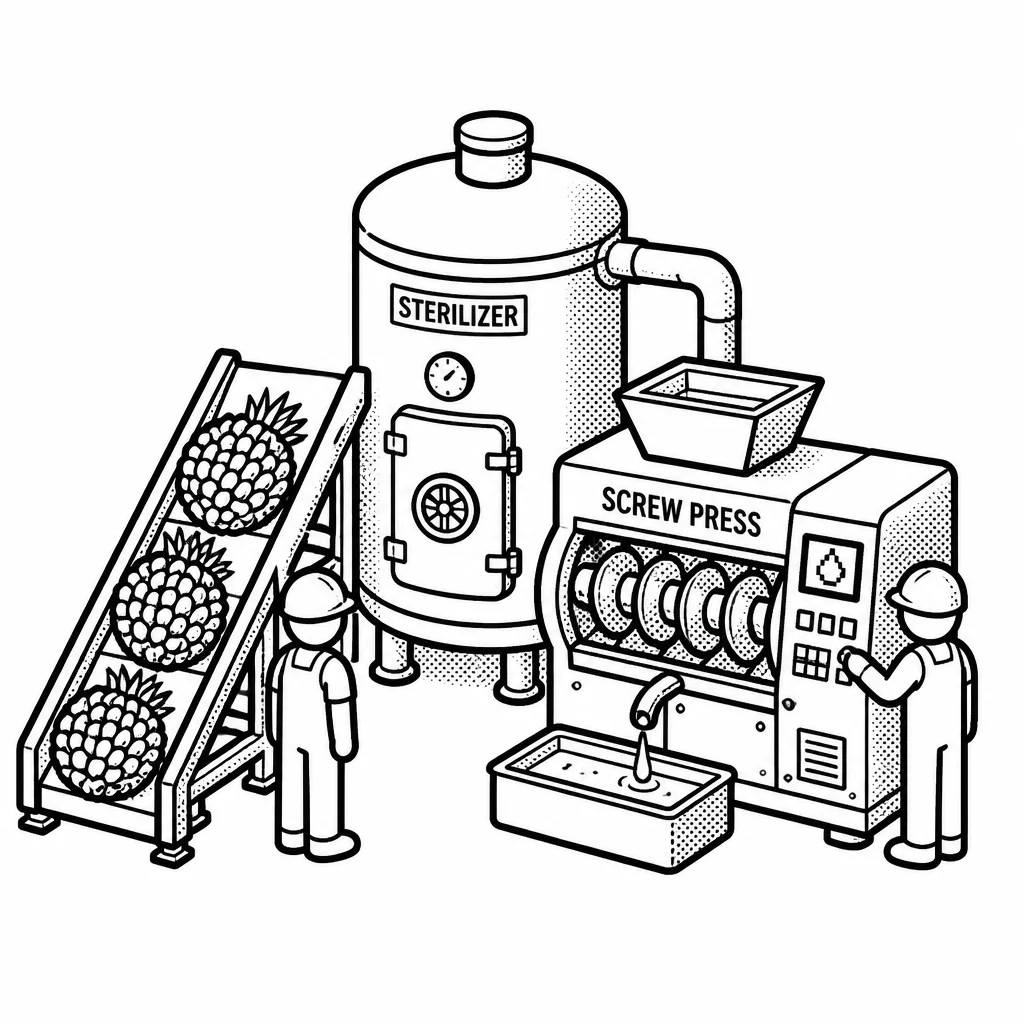
Palm is the star, but it isn't the only thing the company sells. It also runs a sizeable business in sugar and oilseeds, and its trading arm, formerly known separately as Wilmar, moves and distributes its goods through a wide sales network. The customers are the people you never see: food manufacturers, consumer-goods brands, and biofuel producers who need reliable volumes of oil at a steady price. Golden Agri competes on scale and cost — palm oil is a commodity, so buyers mostly care about getting large quantities cheaply and on time, and the lowest-cost grower keeps the fattest margin when prices are flat. There's a real messiness to this business that's worth being blunt about. Palm plantations have been tied to deforestation and labor concerns, and the company has faced pressure to prove its oil is sustainably sourced. Its fortunes also swing hard with the price of palm oil, which is set globally and can move sharply. When prices are high, the company makes piles of money; when they fall, profits can shrink fast. It's a classic commodity business: big, efficient, and exposed to forces well outside its control.
Golden Agri is listed on the Singapore Exchange, and it's part of a sugar-and-palm empire built around the Indonesian Widjaja family's Sinar Mas group. Because the company sits on real land and harvests real crops, a big part of its value is tied to something physical and slow to change — you can't double a plantation overnight. Its newer push is downstream: turning raw oil into refined and specialty products that fetch better prices than the commodity itself, and squeezing more profit from each ton rather than just growing more. That shift from raw grower to processor is where much of its future story lies.
Saved answer · last researched 12 Nov 2026