Understand any stock in simple English
Enter a ticker to learn what the company does and how it makes money.
Dexterra Group Inc.
Dexterra is a Canadian services company that runs camps, cafeterias, cleaning and maintenance, and forestry work for clients who would rather not do those jobs themselves.
Dexterra is an outsourcing company for the unglamorous stuff that keeps a big operation running. If a mining company needs beds and hot meals for workers at a remote site, or a hospital needs its buildings cleaned and maintained, Dexterra is one of the companies that shows up to do it. It also provides hospitality services and does forestry work, mostly for public and private sector clients across Canada.
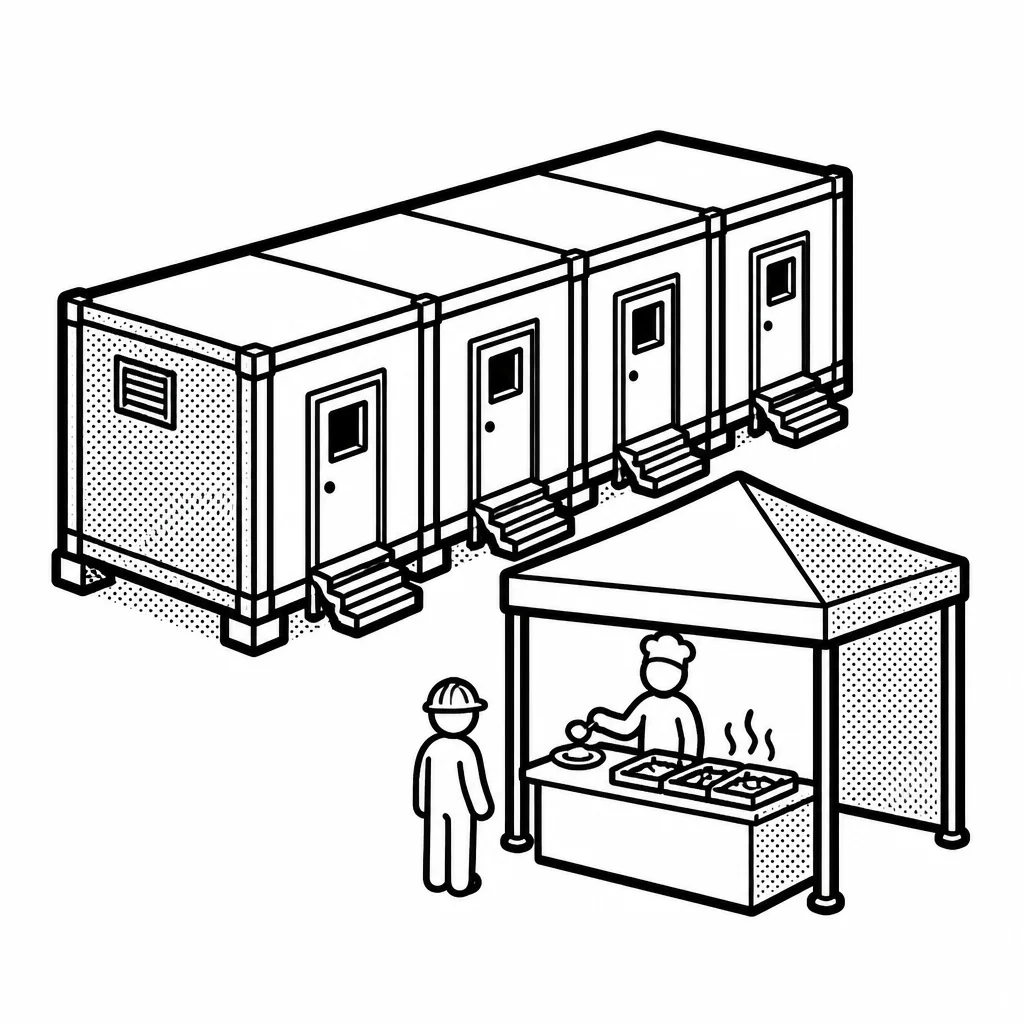
The business breaks into a few main pieces. Facilities management covers things like cleaning, maintenance, and managing buildings. Workforce accommodation is the remote camp business — beds, food, and housekeeping for workers far from home. Hospitality covers food and event services, and forestry covers silviculture and related forest work. The customers are typically organizations that want a specialist to handle these jobs so they can focus on their own core work. Revenue comes from multi-year service contracts, which makes the business relatively predictable when contracts are renewed, but it also means the company lives and dies on winning and keeping those contracts. The appeal to customers is simple: it's cheaper and easier to hire one outfit that manages your camp, kitchen, and building upkeep than to build that capability yourself. The risk is equally simple — contracts can be lost at renewal, and the work is labor-intensive with thin margins, so execution and scale matter. Dexterra is headquartered in Toronto and its shares trade on the Toronto Stock Exchange. It has grown partly by acquiring other service businesses, which adds scale but also debt and integration work.
Dexterra isn't a household name, and it doesn't try to be. It's a behind-the-scenes operator that makes money by being reliable, renewing contracts, and gradually winning more of them, while keeping costs tight enough that the thin margins add up to real profit.
Saved answer · last researched 15 Nov 2026