Understand any stock in simple English
Enter a ticker to learn what the company does and how it makes money.
Drägerwerk AG & Co. KGaA
Dräger makes medical and safety technology — from hospital ventilators and anesthesia machines to gas detectors and breathing gear for firefighters and miners.
Dräger makes the machines that keep people breathing. In hospitals, its ventilators and anesthesia equipment support patients during surgery and in intensive care. In industry and mining, its gas detectors, protective suits, and breathing apparatus warn workers about dangerous air and keep them safe when the air runs out. Firefighters wear Dräger gear too. The company was founded in Lübeck, Germany, back in 1889, and it is still headquartered there today.
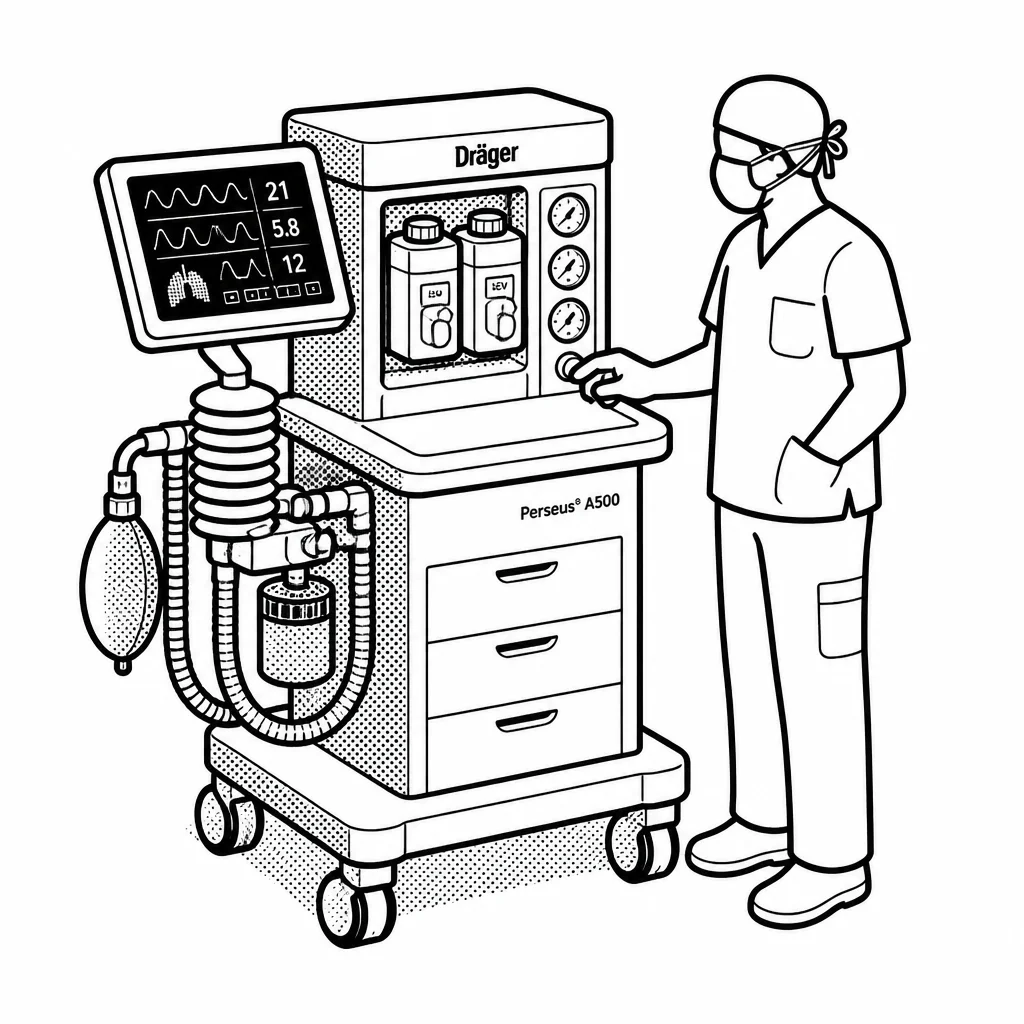
The business splits into two halves, and both are built on the same core skill: understanding gases and how the human body interacts with them. The medical side sells to hospitals and clinics, and it earns money not just from the equipment but from the services and accessories that come with it — training, maintenance, replacement parts. The safety side sells to industrial firms, mining companies, and public-sector buyers like fire departments. Customers pick Dräger because lives depend on the gear working every single time, so trust and a long track record matter more than a cheap price tag. Dräger is a family-controlled company — the Dräger family still holds the majority of voting shares — and it has been listed on the stock exchange since 1979. That ownership structure means the company can take a longer view than many public rivals. It spends heavily on research and development, and it has made targeted acquisitions over the years to strengthen its position in areas like connected hospital technology and gas detection software. The company also pays a dividend, and during the pandemic it ramped up ventilator production sharply as demand from hospitals around the world surged.
The company faces real competition. In medical ventilation it goes up against much larger players like Getinge and Medtronic, and in safety technology it competes with firms such as MSA Safety. Dräger's edge is its deep specialization — it has spent more than a century refining breathing and gas-detection technology. Its main vulnerability is that hospital capital spending is cyclical: when hospitals tighten budgets, big equipment orders slow down. But the underlying demand for safe breathing and reliable patient care is not going away, and that is the simple engine that has kept this company going for over 130 years.
Saved answer · last researched 12 Nov 2026