Understand any stock in simple English
Enter a ticker to learn what the company does and how it makes money.
DRDGOLD Limited
DRDGOLD turns old piles of mine waste back into gold and silver, then sells the metal.
DRDGOLD is a gold company with an unusual twist: it doesn't dig new holes in the ground to find gold. Instead, it takes the giant piles of dirt and rock left over from a century of South African mining — the leftovers, called tailings, that older mines discarded because the gold inside was too hard or too costly to get out — and runs them through modern processing to squeeze out the metal that's still there. It then sells that recovered gold and silver as bullion.
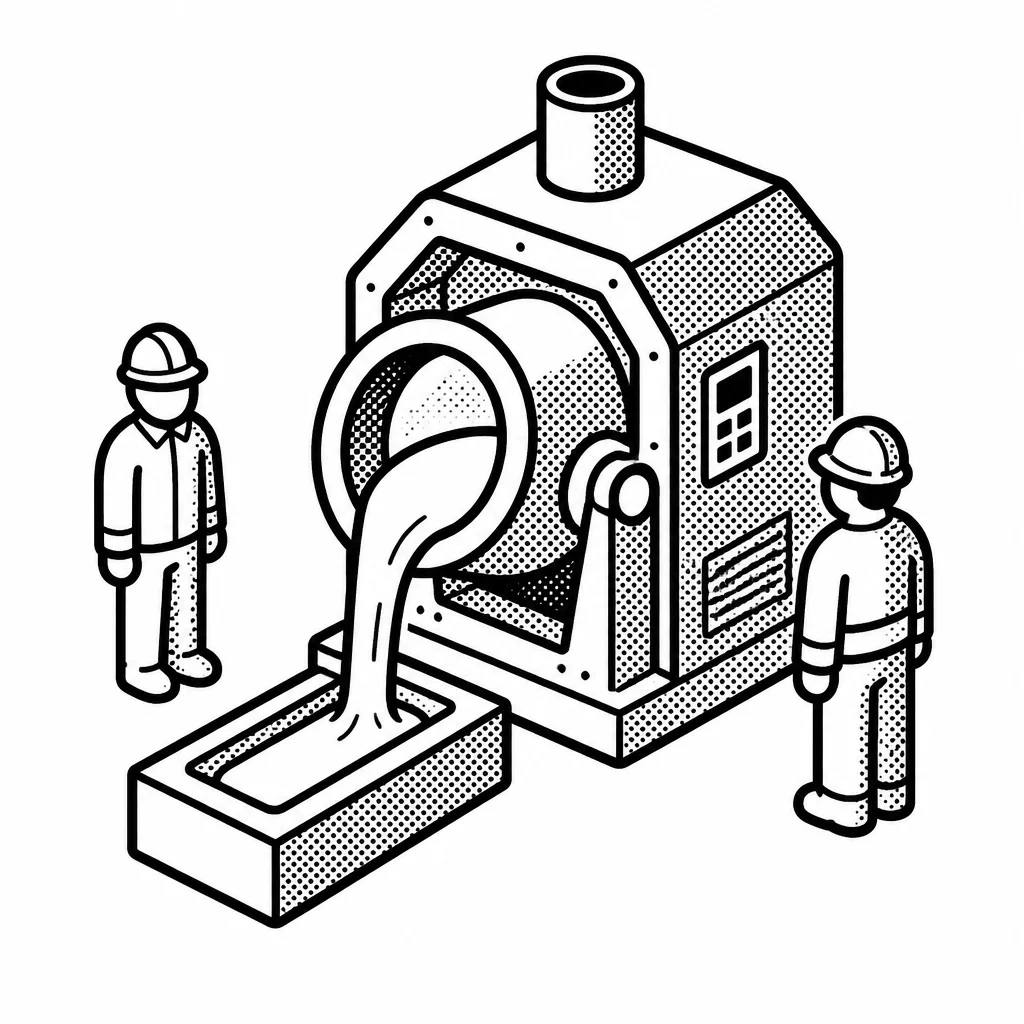
The business sits on top of Johannesburg's old gold rush. The city was built on a massive gold reef, and for decades miners pulled out the easy, high-grade ore and dumped the rest in huge mounds across the landscape. Those mounds still hold tiny amounts of gold. DRDGOLD's plants reprocess millions of tons of this material, using modern technology to recover metal that earlier generations couldn't. In a neat side effect, moving and reprocessing the old dumps also helps clean up the land and reduce the dust and pollution they cause. The money flows from one place: selling gold. DRDGOLD's revenue rises and falls with the gold price and with how many tons it can process and how efficiently it extracts the metal. It has no control over the gold price, so its job is to keep costs low and volumes high. Retreatment is generally cheaper than digging and blasting fresh rock, which is the core advantage — but the company is still a price-taker, and a falling gold price or rising power and labor costs can squeeze it hard.
DRDGOLD is a small player by global gold standards, but it has an interesting history. It began life as Durban Roodepoort Deep, an old deep-level mine, and nearly collapsed in the late 1990s before reinventing itself around surface tailings. Today it is majority-owned by Sibanye-Stillwater, a bigger South African precious-metals miner that took control in the early 2020s. That backing matters: it gives DRDGOLD a strong parent and a partner for bigger cleanup-and-recovery projects. The bet is simple — there's gold in the dirt, and someone has to go get it.
Saved answer · last researched 12 Nov 2026