Understand any stock in simple English
Enter a ticker to learn what the company does and how it makes money.
Dohome Public Company Limited
Dohome runs big warehouse-style stores in Thailand that sell building materials, tools, and home goods to both ordinary shoppers and professional builders.
Dohome is a Thai retailer that sells the stuff you need to build or fix a house. Walk into one of its big warehouse stores and you'll find cement, tiles, paint, and power tools stacked next to bathroom fixtures, light bulbs, and kitchen gadgets. It sells to two very different crowds: regular people renovating their homes on a weekend, and contractors and small builders who buy in bulk and come back week after week.
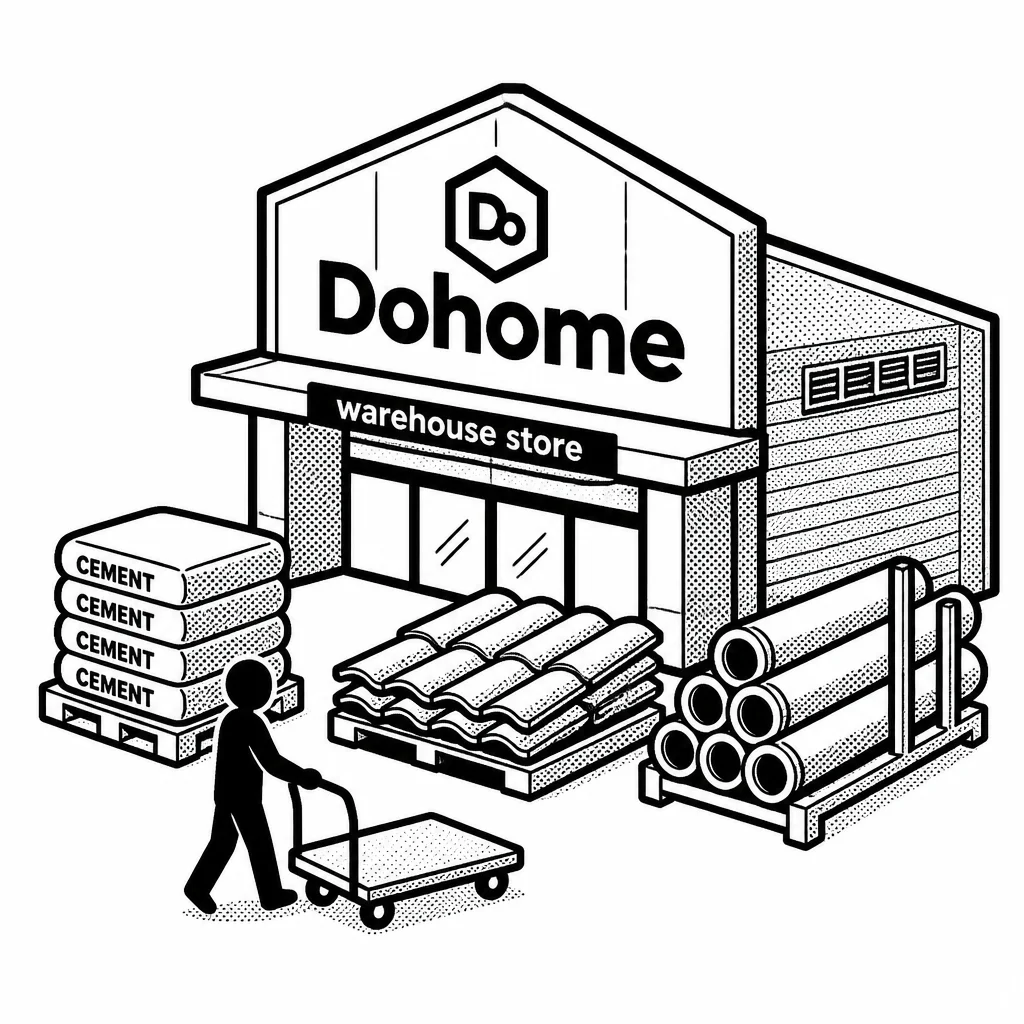
The business runs on a simple idea borrowed from abroad. Dohome's stores look a lot like the giant "big-box" hardware warehouses common in the West, where you trade fancy showroom polish for low prices and huge selection. It stocks thousands of items under one roof so a builder doesn't have to drive across town for cement, then pipes, then door hinges. That one-stop convenience, plus prices that undercut smaller local shops, is why customers keep coming back. The company is based in Thailand and has grown its store network steadily, betting that the country's construction and home-improvement demand keeps rising. The tricky part of this business is that selling cement and timber is not glamorous and margins are thin. Dohome makes its money on volume, so it lives and dies by how efficiently it buys from suppliers, how well it manages inventory, and how many shoppers it pulls through the doors each day. It competes against big rivals like HomePro and Siam Global House, both of which run similar warehouse-format stores in Thailand, as well as countless small family-owned hardware shops. Customers have plenty of choices, so price and location matter enormously.
Dohome is a fairly young company by Thai retail standards — it only listed its shares on the Stock Exchange of Thailand in 2020, which gave it fresh cash to keep opening new stores. That expansion is the core of its story: build more warehouses, spread the fixed costs of running a retail chain across more locations, and grab a bigger slice of a growing market. The risk is that it spends heavily on new stores just as construction demand cools or rivals cut prices. For now, the bet is straightforward — more stores, more builders walking in, more boxes of tiles going out the door.
Saved answer · last researched 12 Nov 2026