Understand any stock in simple English
Enter a ticker to learn what the company does and how it makes money.
De'Longhi S.p.A.
De'Longhi makes and sells coffee machines and small home appliances like heaters, air conditioners, and kitchen gadgets to people around the world.
De'Longhi is an Italian company that makes the small machines that fill a home: espresso makers, air fryers, heaters, air conditioners, and fans. If you've ever frothed milk with a wand or pulled a shot from a shiny countertop machine, there's a decent chance a De'Longhi product was involved. The company sells to ordinary consumers worldwide, mostly through retail stores and online, under a family of brands it has assembled over the years.
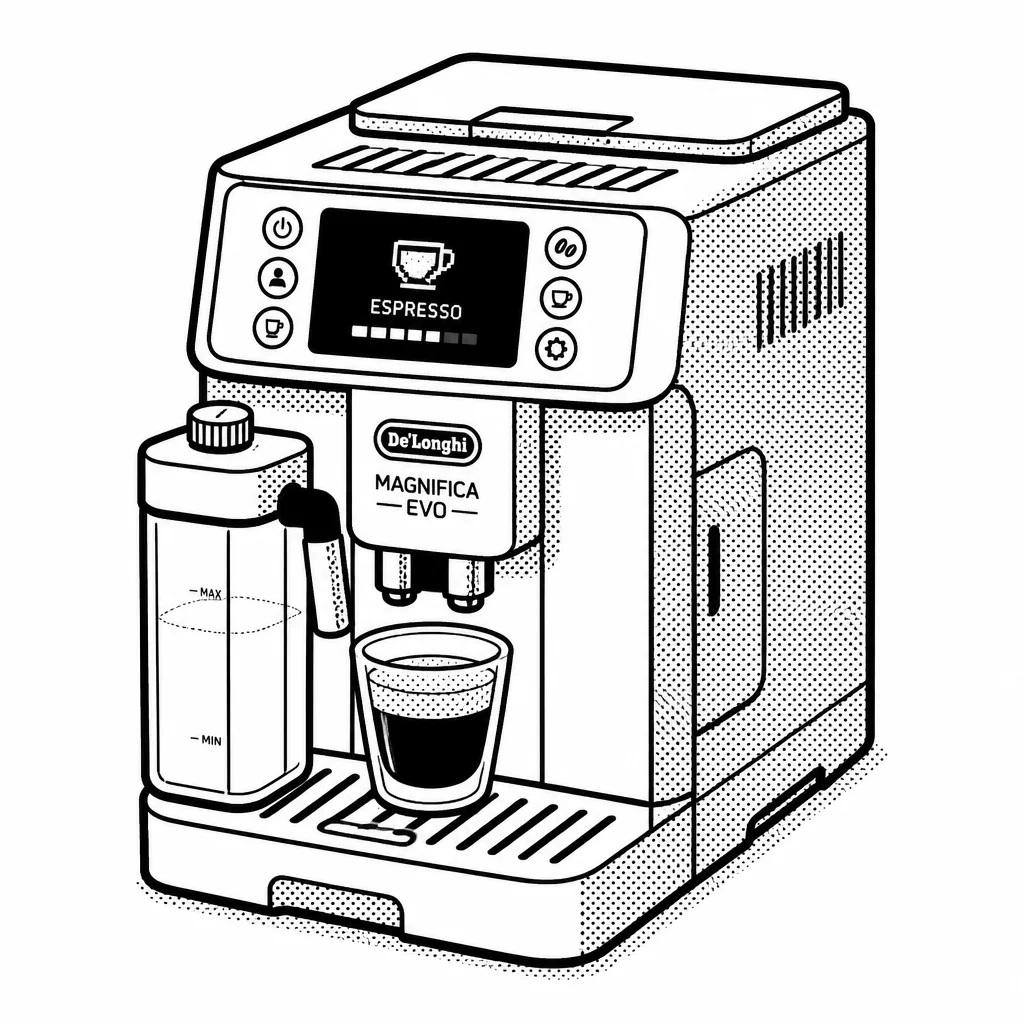
Coffee is the heart of the business. De'Longhi's big bet was buying a majority stake in Eversys, a Swiss maker of professional-grade automatic coffee machines, which pushed it upmarket into cafés and offices. It also owns Braun's small-appliance business, which widened its reach into kitchen prep and personal care. Customers choose De'Longhi because the machines are designed to be simple to use and look good on a counter — a Nespresso-style pod machine or a bean-to-cup automatic is often the first appliance a coffee lover upgrades to, and De'Longhi wants to be the name they trust. The economics are straightforward: it designs and assembles appliances, then sells them at a markup to retailers and directly to shoppers. Competition is fierce. Nestlé sells its own Nespresso machines and pods and controls a huge chunk of the pod market, while Philips and Jarden-style rivals chase the same kitchens and living rooms. De'Longhi's edge is brand and design on the coffee side, plus a wide portfolio that lets it sell into many rooms of the house. It spends real money on marketing and product development to keep the machines fresh and the brand premium.
The company is family-controlled — the De'Longhi family still holds a large stake — and it returns cash to shareholders through dividends and buybacks. A notable recent move was a share buyback program the company has run to shrink its share count, a signal management thinks the stock is worth more than the market says. The risk is the same as any consumer appliance maker's: sales depend on people feeling good enough to spend on a nicer coffee machine, and a weak economy or a competitor's price cut can squeeze margins fast.
Saved answer · last researched 12 Nov 2026