Understand any stock in simple English
Enter a ticker to learn what the company does and how it makes money.
DiaSorin S.p.A.
DiaSorin makes diagnostic testing kits and machines that hospitals and labs use to detect diseases and measure substances in the blood.
DiaSorin is a diagnostics company. Its customers are hospitals, clinical labs, and healthcare providers around the world, and what they buy is the ability to answer a simple but crucial question: what is going on inside this patient? DiaSorin sells both the testing machines that sit in the lab and the chemical kits that go into them, so a lab can run blood tests for hormone levels, infectious diseases, vitamin D, and other markers without cobbling together gear from different vendors.
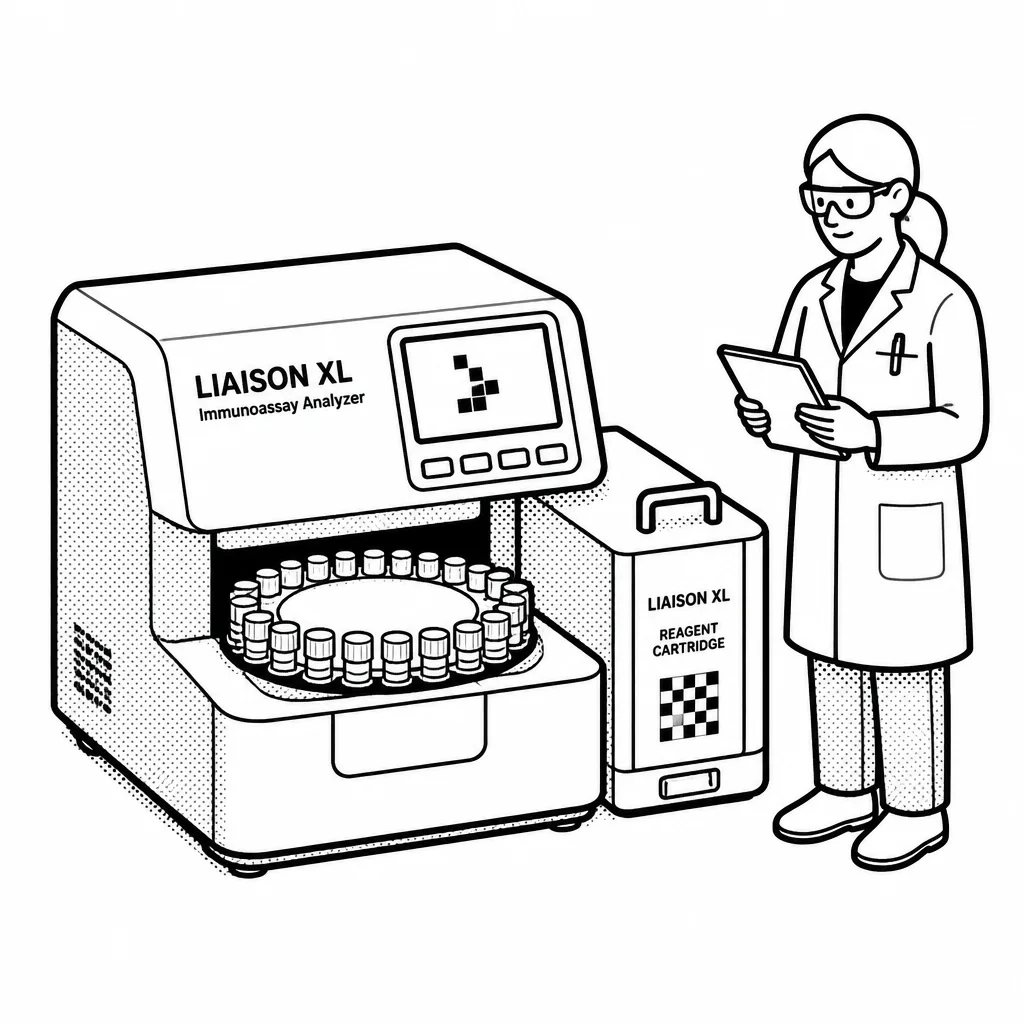
The business has two halves. The first is immunodiagnostics, which uses antibodies to detect specific molecules in a sample — the classic "is this patient's thyroid hormone too high?" kind of test. The second is molecular diagnostics, which looks for the genetic material of a virus or bacteria itself, the technology that became a household word during the pandemic. That second half came largely through the 2021 acquisition of Luminex, a US company, which pushed DiaSorin into a bigger, faster-growing part of the testing market and gave it a stronger foothold in North America. What makes the model tick is the razor-and-blade setup. Once a lab installs one of DiaSorin's instruments, it tends to keep buying that company's kits for years, because the reagents and the machine are designed to work together. That recurring kit revenue is steadier and more profitable than one-off equipment sales, and it creates switching costs — ripping out a working lab system is a hassle nobody wants. The catch is that DiaSorin is not the biggest player in its field. It competes with far larger rivals like Roche and Abbott Laboratories, which have deeper pockets and wider lab footprints, so DiaSorin leans on niches where it has a real edge, such as vitamin D testing and specialty hormone assays.
Diagnostics is a good business in a bad year and a better one in a crisis, but the pandemic boom left a hangover: molecular testing volumes fell back sharply once Covid testing wound down, and DiaSorin has had to absorb that drop while integrating Luminex. The company is headquartered near Milan, in Saluggia, and it spends heavily on research and manufacturing capacity to keep launching new tests. Its real moat is boring and durable — a lab that trusts a machine and its results does not switch lightly — which is why the kit revenue keeps flowing even when headlines about the next outbreak fade.
Saved answer · last researched 12 Nov 2026