Understand any stock in simple English
Enter a ticker to learn what the company does and how it makes money.
Digital 9 Infrastructure plc
Digital 9 Infrastructure is an investment fund that buys and owns the physical plumbing of the internet — subsea cables, data centres, and telecom towers — and pays its investors with the cash those assets generate.
Digital 9 Infrastructure is a London-listed investment fund, the kind of vehicle that pools money from investors and uses it to buy big, expensive things that most people never see. What it buys is the physical backbone of the internet: the subsea fibre-optic cables that carry data between continents, the data centres where computers store and process information, and the towers that hold up mobile phone antennas. Investors buy shares in the fund to get exposure to these assets without having to buy a cable or a data centre themselves.
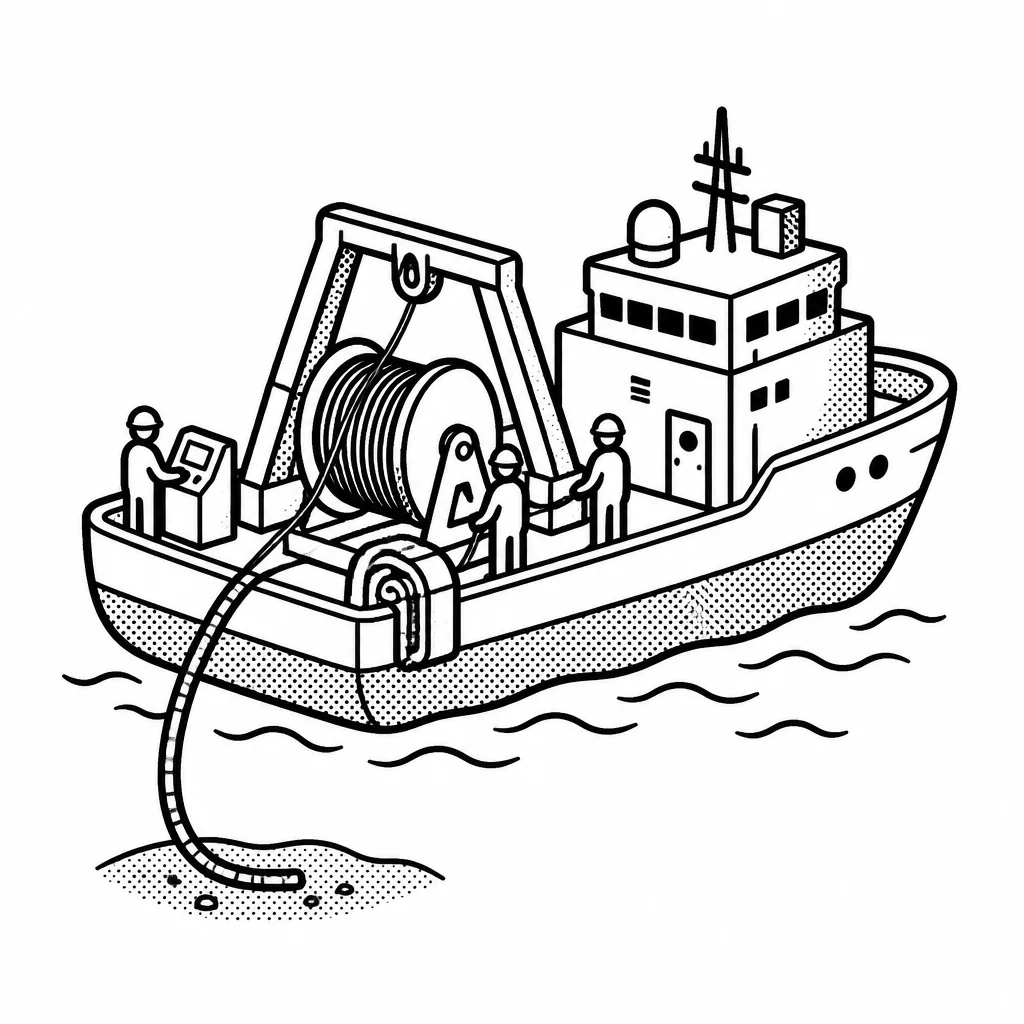
The way it makes money is straightforward in principle. The fund's assets earn recurring revenue — a data centre charges companies rent for rack space and power, a subsea cable operator charges telecom carriers for capacity, and a tower landlord charges mobile networks for space on the mast. Because these are long-lived assets with customers locked into multi-year contracts, the income tends to be steady and predictable. The fund collects that cash, covers its costs, and pays most of it out to shareholders as dividends. The business model looks simple, but the fund has had a messy recent history that matters more than any pitch about digital growth. Digital 9 got into trouble over Verne Global, a data centre business it owned in Iceland and Finland. The fund had big expansion plans there, but rising interest rates and heavy spending strained its finances, and it ended up selling the business at a discount to pay down debt. It also sold off stakes in some subsea cable assets. The result was a much smaller, simpler fund with less debt and a share price that had fallen a long way from its earlier highs.
For an investor, the appeal is meant to be stability: boring, essential infrastructure that keeps the internet running, with predictable cash flows flowing out as dividends. The risk is that these assets are expensive to build and maintain, and they depend on borrowed money. When rates rise or a big project goes wrong, a fund like this can be forced to sell at the worst possible moment — which is exactly what happened here. The lesson the fund now embodies is that "digital infrastructure" sounds futuristic, but the financing behind it can be as old-fashioned and fragile as any landlord's mortgage.
Saved answer · last researched 17 Nov 2026