Understand any stock in simple English
Enter a ticker to learn what the company does and how it makes money.
DEUTZ Aktiengesellschaft
Deutz builds diesel and gas engines that power machines like forklifts, excavators, and generators.
Deutz makes engines. Not the kind that go in your car — the kind that go into the machines that build roads, move goods around warehouses, and keep the lights on when the power grid fails. If you've ever seen a forklift humming in a logistics center or an excavator digging a foundation, there's a decent chance a Deutz engine was doing the work. The company has been at this for over 150 years, and today it sells diesel and gas engines for construction equipment, agricultural machinery, material handling, and power generation, along with the spare parts and service that keep those engines running.
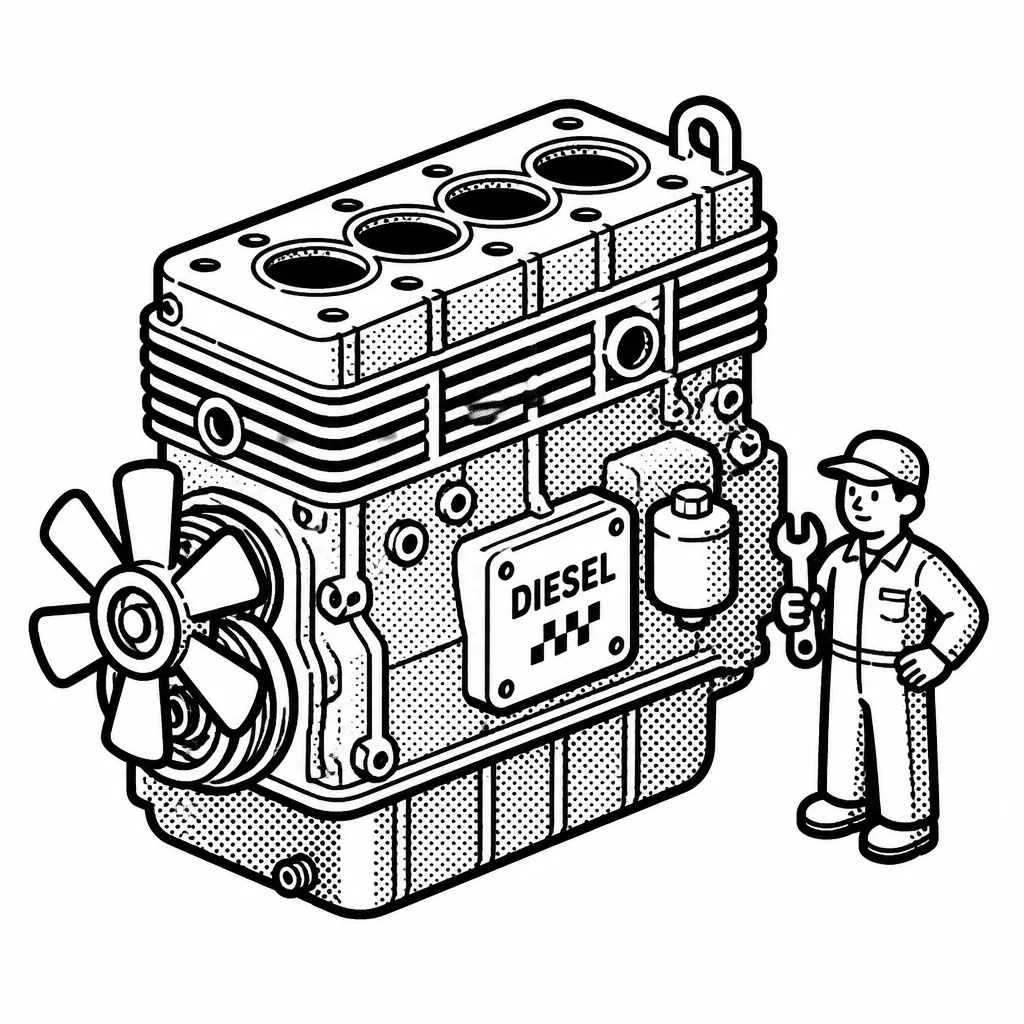
The business model is simple: Deutz designs and builds engines, then sells them to equipment makers who install them in their machines. It also makes money after the sale — spare parts, maintenance, and service contracts are a steady, higher-margin stream that grows as the installed base of engines in the field gets bigger. Customers choose Deutz because it offers a wide range of power outputs, has a global service network, and has been a trusted name in industrial engines for generations. During the COVID-19 pandemic, Deutz took a big hit when construction and machinery demand slumped, but it has since worked to diversify — including a push into electrification and hydrogen-based powertrains as the industry slowly moves away from pure diesel. The company is headquartered in Cologne, Germany, and it's controlled by the Chinese engine maker Weichai, which owns a majority stake. That relationship gives Deutz access to scale and Asian markets but has also raised governance questions among some investors. Competition is fierce: Cummins is the giant of the space, and Kubota and Yanmar-affiliated players compete in smaller engines. Deutz's edge is its engineering reputation and its service network, but it is a relatively small player in a capital-intensive industry where scale matters a lot.
Deutz has been spending on its future. It acquired a stake in a battery systems company and has been developing electric drives for off-highway equipment, betting that the same machines it powers today will eventually run on batteries or hydrogen. It also pays a dividend and has bought back shares in recent years. The honest picture is a solid, old-line industrial company with a strong brand but modest growth, thin margins, and a big strategic question: can it remake itself for a cleaner powertrain era before its diesel business slowly fades?
Saved answer · last researched 12 Nov 2026