Understand any stock in simple English
Enter a ticker to learn what the company does and how it makes money.
Delhivery Limited
Delhivery is an Indian logistics company that picks up, moves, and delivers goods — from online shopping parcels to heavy freight — and also runs warehouses for businesses.
Delhivery is India's largest fully integrated logistics company. When you order something online in India, there's a decent chance a Delhivery van or rider is the one bringing it to your door — or at least moving it part of the way there. It also moves bulk freight, runs warehouses, and helps brands manage their entire supply chain, serving e-commerce companies and ordinary businesses across the country.
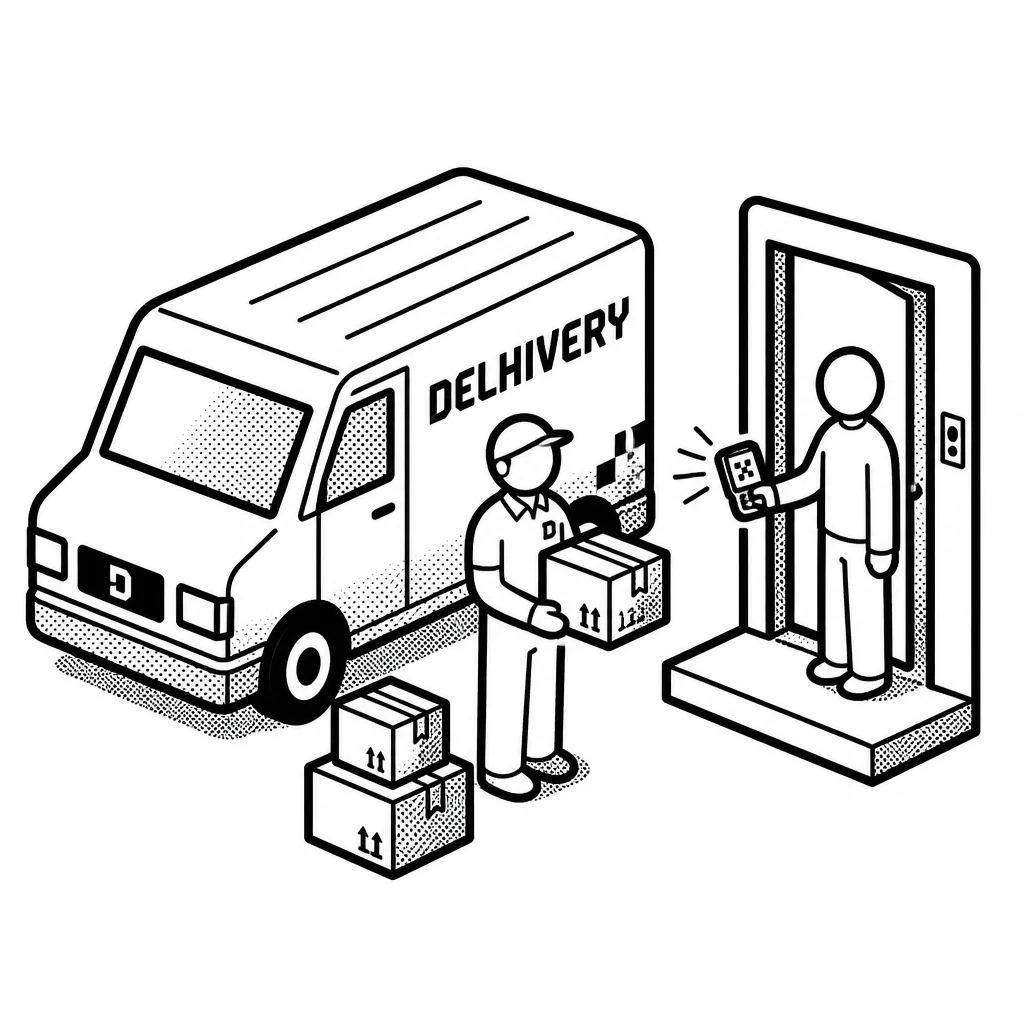
Here's the basic problem it solves. India has millions of small towns and villages scattered across a huge map, and most online sellers can't build their own delivery network reaching all of them. Delhivery built that network once and rents it out to everyone. It runs sorting centres, trucks, and "last-mile" hubs so a seller in Mumbai can get a package to a village in Bihar without owning a single truck. For heavier business cargo — moving pallets of goods between factories and warehouses — it offers freight services, and it stores and manages inventory in its own warehouses too. Customers pay per shipment or per pallet, and they choose Delhivery because the network is broad, fast, and cheaper than building your own. The business got its start in 2011 and grew fast by riding India's e-commerce boom, with big online marketplaces as major customers. That dependence cuts both ways: when online shopping surges, Delhivery thrives, and when it cools, so does the parcel volume. The company listed on the stock market in 2022, and since then it has focused on squeezing more profit out of its network — cutting costs, raising prices, and pushing into higher-margin services like freight and supply chain rather than just chasing parcel volume growth. It turned profitable on an adjusted basis in recent years, though it has also posted net losses historically as it invested heavily in building out that network.
The honest picture is a company with real scale and a genuinely useful moat — a delivery network this big and dense is expensive to copy — but also thin margins and a history of burning cash to grow. It competes with other logistics players and with the in-house delivery arms of big marketplaces, so pricing power is limited. Its free cash has mostly gone back into the network: more automation, more sorting capacity, and acquisitions to fill gaps. Whether it can keep growing profitably as e-commerce matures in India is the big question investors are watching.
Saved answer · last researched 14 Nov 2026