Understand any stock in simple English
Enter a ticker to learn what the company does and how it makes money.
JCDecaux SE
JCDecaux rents space on street furniture, billboards, and transport systems to advertisers around the world.
JCDecaux is one of the world's biggest outdoor advertising companies. You have almost certainly walked past its work without noticing: bus shelters, public benches, city information panels, airport displays, and big roadside billboards. Advertisers pay JCDecaux to put their messages on these surfaces, and the company's job is to own or operate the space in the places where lots of people pass by.
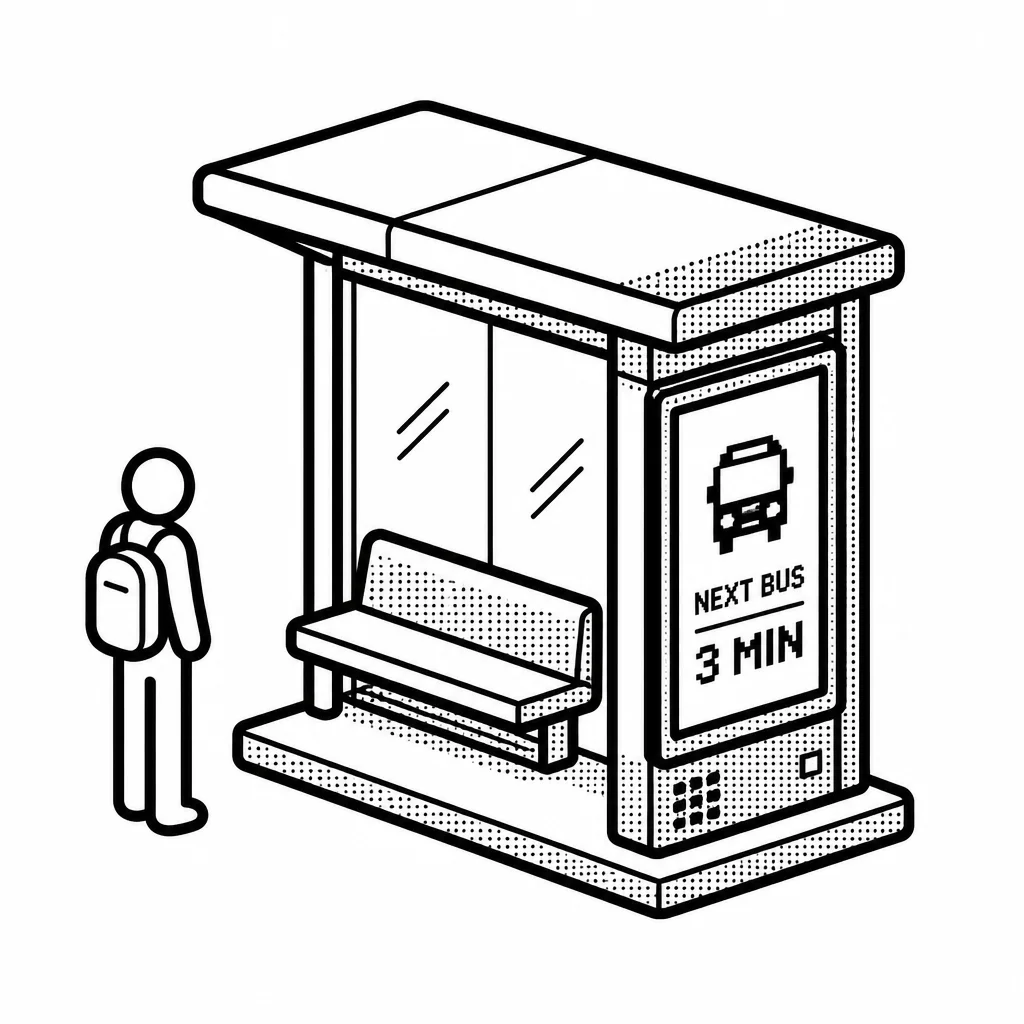
The clever part is how it gets that space. In many cities, JCDecaux doesn't simply rent billboard spots. It wins long contracts with local governments by offering to build and maintain street furniture — bus shelters, public toilets, bike racks — for free, and in exchange it gets the right to sell advertising on it for years. This "street furniture" segment is the company's signature business and its historical backbone. It also runs large advertising networks in transport hubs like airports and metro systems, and sells classic large-format billboards. Advertisers choose JCDecaux because it reaches people out in the real world, where they can't skip the ad like they can online. That model cuts both ways. The long contracts with cities create a durable moat — once JCDecaux installs and maintains a city's bus shelters, switching to a rival is a hassle, so contracts tend to renew. But the business is deeply tied to the advertising cycle, and ad spending falls fast in a downturn. The pandemic was brutal: with airports and city centers emptied out, revenue collapsed, and the company had to cut costs and shore up its balance sheet.
JCDecaux is headquartered near Paris and competes globally with Clear Channel Outdoor and other outdoor advertising players. It also has a programmatic arm, selling digital billboard space through automated ad-buying systems, which is where much of the industry's growth is heading. The company pays a dividend and has spent on acquisitions and digital upgrades over the years. The core bet remains the same: cities will keep needing nice street furniture, and advertisers will keep paying to reach people on the move.
Saved answer · last researched 15 Nov 2026