Understand any stock in simple English
Enter a ticker to learn what the company does and how it makes money.
CapitaLand India Trust
CapitaLand India Trust owns and develops office buildings, IT parks, logistics facilities and data centres in India, and earns rent from the companies that lease them.
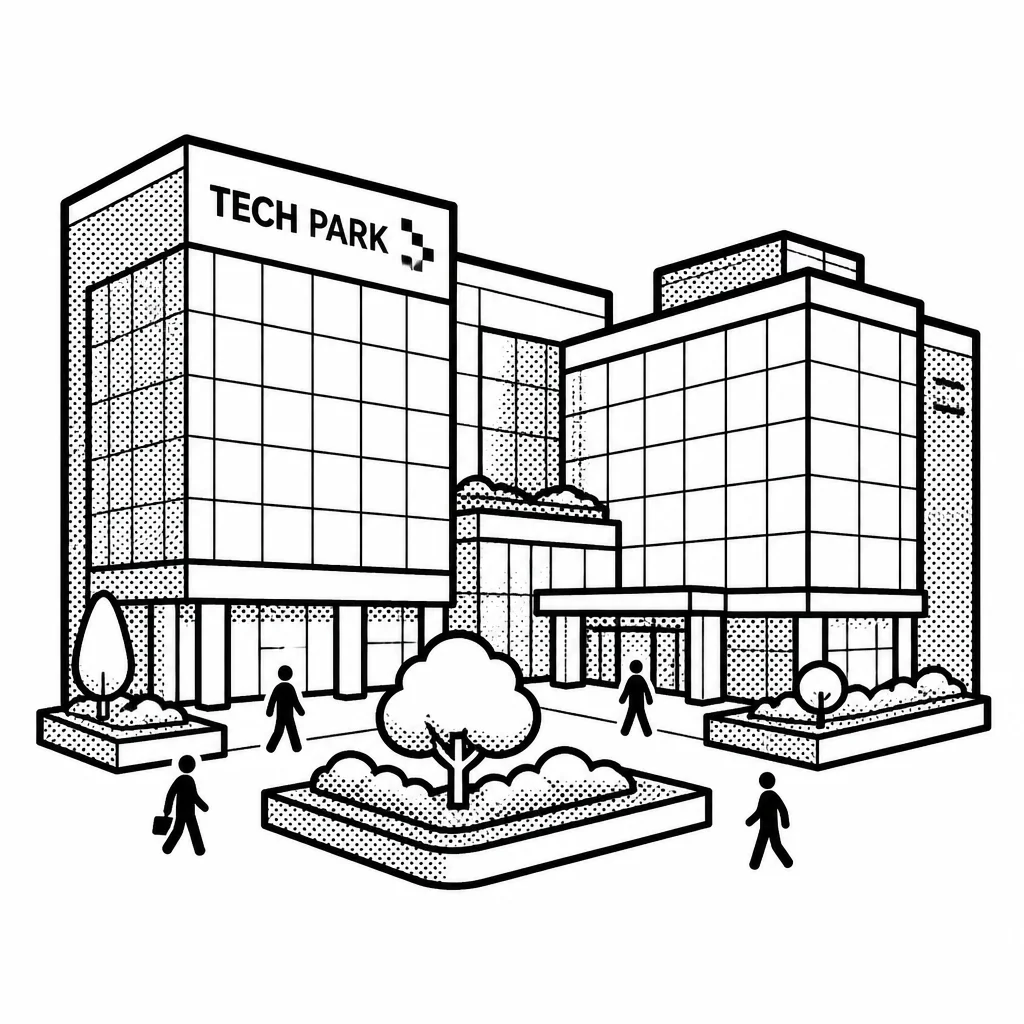
CapitaLand India Trust is a landlord for the companies that power modern India. It builds and owns the big office campuses, tech parks, warehouses and data centres that businesses rent, and it collects rent from them month after month. If you have ever seen a sprawling glass office campus in cities like Bengaluru, Chennai or Hyderabad, with thousands of engineers streaming in each morning, you have seen the kind of thing this trust owns.
The business model is simple and old-fashioned at its core. Build or buy a building, fill it with paying tenants on long leases, and let the rent pile up. Its customers are mostly large corporations — global tech firms, banks, and logistics and manufacturing companies that need space in India and would rather rent than own. They choose a place like this because it offers ready-made, well-run buildings in good locations, and the trust handles the messy work of running a large property. In exchange, it gets predictable income for years at a time, which is exactly what its investors want. Here is the twist that makes it different from a typical property company: it is a trust, structured to pay out most of its profits to shareholders as dividends. It is listed in Singapore but its entire business sits in India, which gives global investors a way to own Indian real estate without buying buildings themselves. It started life as Ascendas India Trust and was later renamed after its parent, CapitaLand Investment, a big Singapore-listed real estate manager. Over time it has pushed beyond plain offices into logistics parks and data centres — two areas riding India's e-commerce and digital boom.
The honest version of the story includes real risks. Its fortunes rise and fall with India's office demand and with the health of its big corporate tenants; if a major client leaves or an industry slows, rent income feels it. Currency matters too, since its buildings earn rupees while investors think in Singapore dollars. And because it hands most of its cash to shareholders as dividends, it must keep raising fresh money — from investors or lenders — to fund new buildings. That is the trade-off at the heart of the business: steady income today, financed by constantly growing the portfolio.
Saved answer · last researched 12 Nov 2026