Understand any stock in simple English
Enter a ticker to learn what the company does and how it makes money.
Cleanaway Waste Management Limited
Cleanaway collects, sorts, treats and disposes of waste for households, businesses, governments and hospitals across Australia.
Cleanaway is Australia's biggest waste management company. It runs the trucks that pick up your bins, the landfill sites where rubbish gets buried, the recycling plants where old paper, glass and plastic get sorted, and the treatment facilities that safely handle everything from medical waste to hazardous chemicals. Its customers include city councils, big industrial companies, small businesses, hospitals and clinics.
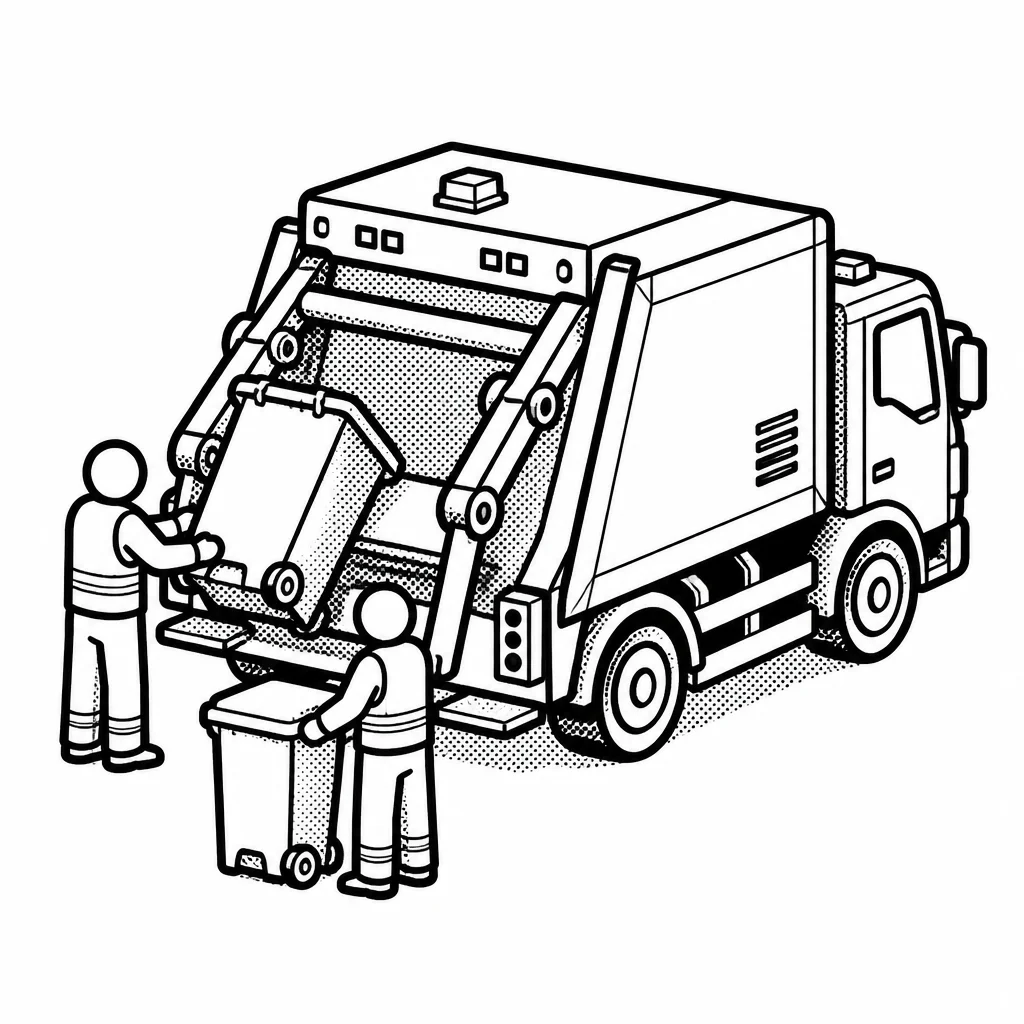
The business splits into two broad parts. The "solid waste" side collects rubbish from kerbsides and commercial bins, runs transfer stations and landfills, and processes recycling. The "liquids and technical services" side handles industrial waste: used oil, contaminated water, chemical by-products and medical waste. Cleanaway also turns some waste into resources instead of burying it — it captures landfill gas to generate electricity, and it treats and recycles materials so they can be sold back into the economy. Customers pay by collection, by tonne disposed of, or by contract, and many contracts run for years. That recurring, contracted work is the backbone of the business. The company has a rough past. It used to be called Transpacific Industries, and it was loaded with debt and struggling when a 2015 turnaround put Vik Bansal in charge. Bansal cleaned up the sprawling empire, sold off non-core assets and refocused on core waste. Cleanaway then went on an acquisition spree — buying Toxfree for medical and industrial waste, grabbing SKM's recycling assets after that company collapsed, and buying the waste business of Suez in Australia. Some bets hurt: a proposed takeover of Bingo Industries failed, and a recycling venture with Pact Group under the "Citywide" brand ran into trouble. A recent turnaround under new leadership has refocused the company on disciplined pricing, cost control and safety.
Waste is a steady, unglamorous business. Everyone generates it, and someone has to deal with it, which makes revenue fairly resilient. But competition is fierce from rivals like Veolia and many local players, and it costs a lot of money to build landfills and recycling plants. Cleanaway owns significant infrastructure, including some of the few hazardous-waste facilities permitted in Australia, which gives it a moat. It pays dividends to shareholders with its cash flow and has been working to reduce debt after its acquisition-heavy years.
Saved answer · last researched 12 Nov 2026