Understand any stock in simple English
Enter a ticker to learn what the company does and how it makes money.
Ceres Power Holdings plc
Ceres Power designs fuel cell and electrolyser technology that it licenses to partners to generate clean electricity and green hydrogen.
Ceres Power is a British clean energy technology company whose core product is a fuel cell — a device that makes electricity from a fuel like natural gas or hydrogen without burning it. Its specialty is a low-temperature design called the SteelCell, which is built from cheap, widely available materials like steel and ceramics rather than expensive exotic metals. Fuel cells are quiet, efficient, and produce far less pollution than a combustion engine or generator. Ceres also makes electrolysers, machines that run the process in reverse: feed them electricity and water, and they produce green hydrogen.
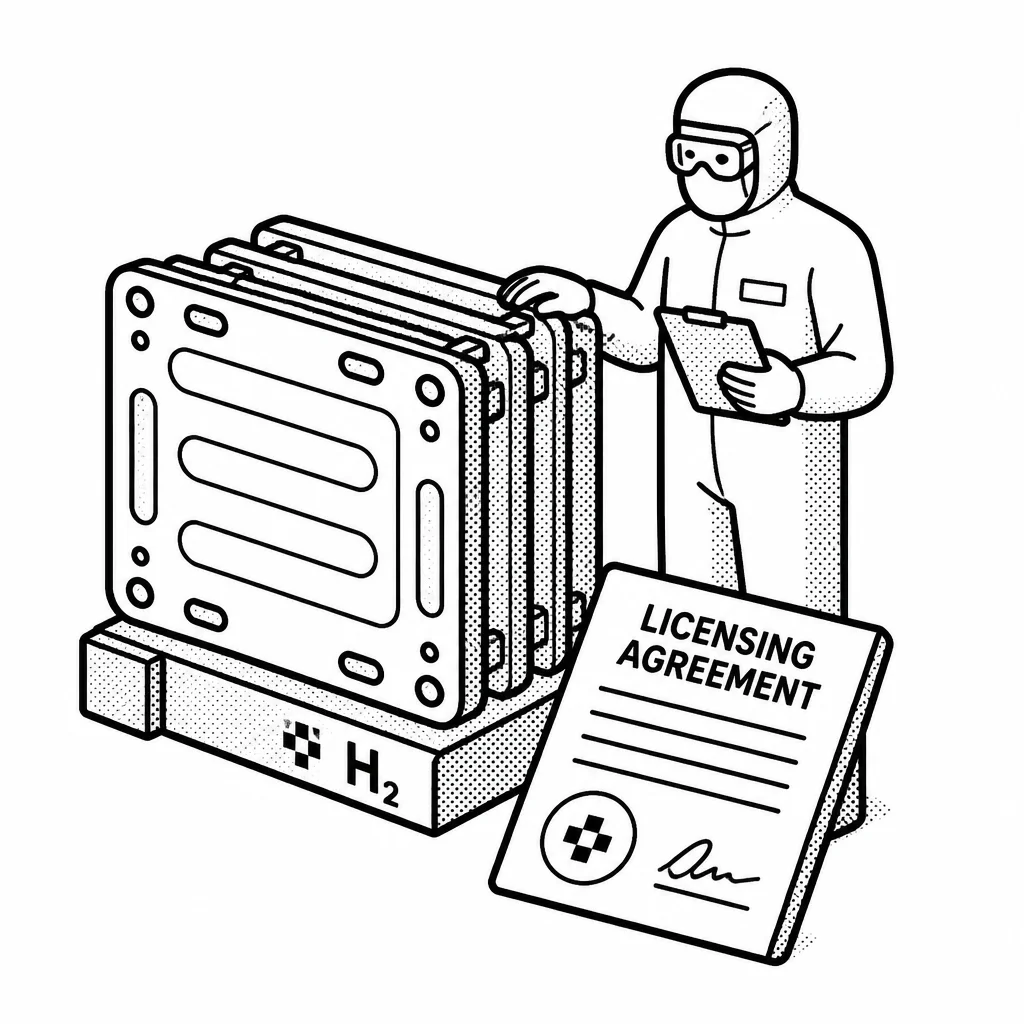
The important thing about Ceres is that it does not build power plants itself. It does the hard scientific work of designing the cells, then licenses the technology to big manufacturing partners who make and sell the finished products. Its partners span several industries, including engine maker Weichai in China and boiler maker Bosch in Germany, as well as companies in South Korea and Japan. Those partners pay Ceres license fees, engineering fees, and eventually royalties on products sold. This model keeps Ceres's own costs fairly low — it doesn't need giant factories — but it also means revenue arrives in lumpy chunks tied to partners' project timelines, and it depends heavily on those partners actually turning designs into mass-market products. That is exactly where the company has struggled: several partners have been slow to commercialize, which has made Ceres's revenue erratic and pushed it into losses. A big part of the modern Ceres story is hydrogen. As governments and industries look for ways to cut carbon emissions, the company has leaned into electrolysers for making green hydrogen, alongside its older fuel cell licensing business. In 2023 it struck a licensing deal with Delta Electronics for hydrogen power systems, and it has continued to expand partnerships in Asia. The appeal to partners is straightforward: Ceres has spent years and a lot of money proving its technology works, so a manufacturer can skip the basic research and get a head start on a clean energy product.
The company is headquartered in Horsham, England, and listed on the London Stock Exchange. It has been publicly traded since 2004, though it has rarely been consistently profitable, and it has raised money from investors along the way to fund research. The central bet is that clean hydrogen and efficient fuel cells will eventually become big markets, and that Ceres will collect royalties on a large installed base built by its partners. The central risk is timing: the hydrogen economy has been slower to arrive than many expected, and Ceres's fortunes rise and fall with whether its licensees can turn promising lab results into products people actually buy.
Saved answer · last researched 16 Nov 2026