Understand any stock in simple English
Enter a ticker to learn what the company does and how it makes money.
Consolidated Water Co. Ltd.
Consolidated Water builds and runs seawater desalination plants and water systems in the Caribbean, selling fresh water and related services to utilities, governments, and businesses.
Consolidated Water does something most people never think about until it's gone: it turns seawater into drinking water. The company builds and operates desalination plants, mostly in the Caribbean, and sells the resulting fresh water to utilities, governments, hotels, and businesses that have no easy natural supply. If you've ever stayed at a resort on Grand Cayman and brushed your teeth, there's a decent chance the water came from a Consolidated Water plant.
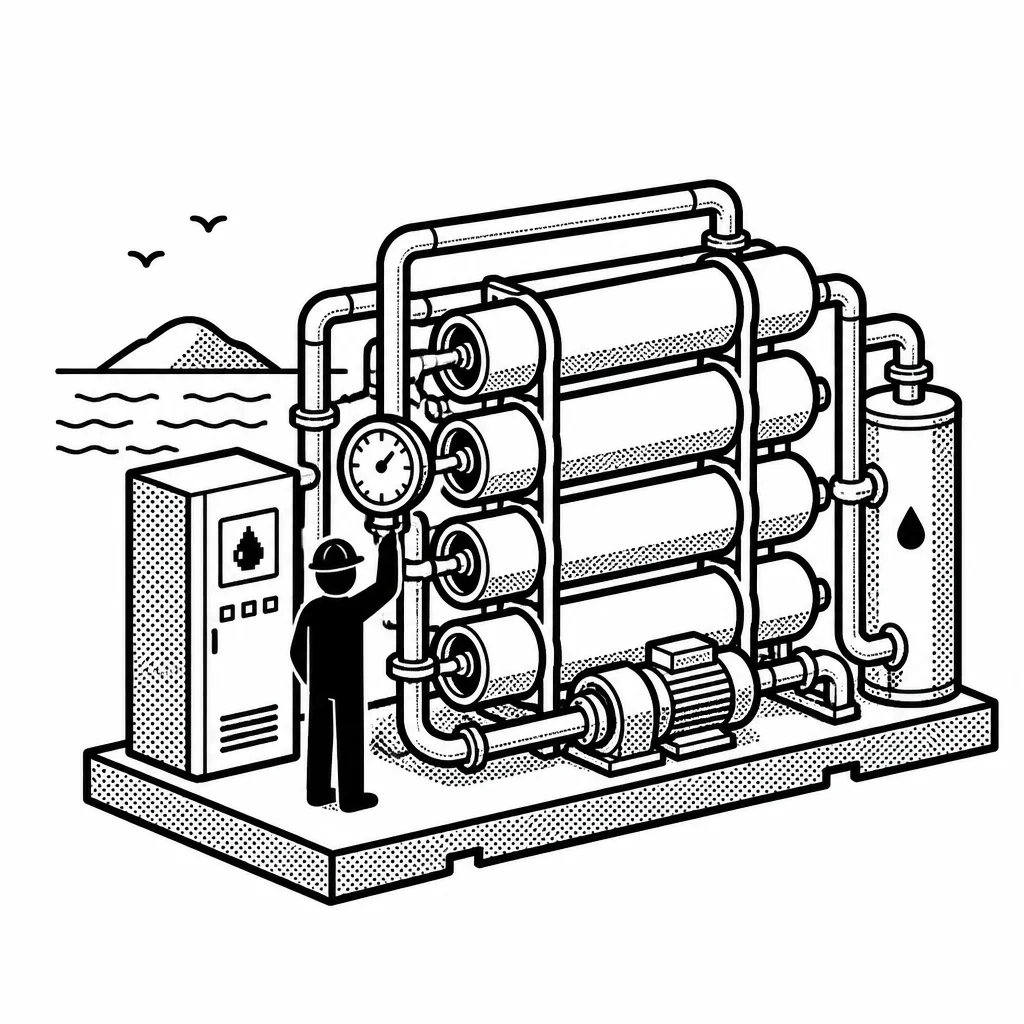
The business splits into a few main pieces, and the mix matters. The biggest one is bulk water sales: on Grand Cayman and in the Bahamas, the company owns and runs desalination plants and sells water wholesale under long-term contracts, often to government utilities. Those contracts are the engine of the company — steady, predictable, and resistant to economic downturns because people need water regardless of what the economy is doing. Beyond that, it operates water systems in the Cayman Islands that serve homes and businesses directly, and it designs and builds desalination and water treatment plants for other customers through its manufacturing arm, which also makes the equipment those plants run on. The company is headquartered in the Cayman Islands, which makes sense given where its plants and customers are. Desalination is a simple idea, expensive to execute. You take seawater, force it through membranes at high pressure to strip out the salt, and you're left with fresh water and a leftover brine stream you have to dispose of carefully. The plants are capital-hungry and energy-hungry, so the real skill is locking in long-term contracts that cover your costs and keep the water flowing for decades. That's exactly what Consolidated Water does: it takes on the upfront cost and operational risk, and in return gets paid for water over many years. It's less like a utility and more like a toll road for water — the company builds the pipe, and everyone who needs a drink pays to use it. The company has been quietly expanding its manufacturing and services side, which is a bet on selling its desalination know-how to other markets rather than just owning plants. That side of the business is lumpier — project revenue comes in chunks, and timing can swing results — but it gives the company growth options outside its home islands. The steady contract water business, meanwhile, generates the cash that funds expansion and pays a dividend, which is unusual for a company of its size and a sign of how reliable that core cash flow has been.
The risks are worth being honest about. Consolidated Water's fortunes are tied to a handful of Caribbean markets, which means hurricanes, government budgets, and local politics all matter. Its biggest customers are often government-linked utilities, and governments can be slow payers or renegotiate contracts. It also competes with larger water companies and, in some places, with cheaper alternatives like wells or rainwater collection. But in places where fresh water is genuinely scarce, desalination isn't a luxury — it's infrastructure, and the company that owns the plants tends to keep the business for a long time.
Saved answer · last researched 15 Nov 2026